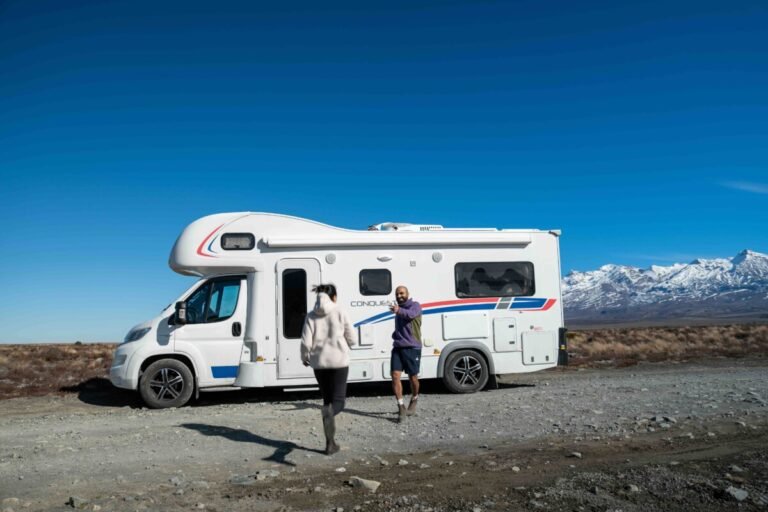
Rent a Campervan in New Zealand: What to Know (2026)
I always thought people travelling in campervans looked cool. I wanted to try it but never considered it as something I could actually live in.
Last year, building our little content business in New Zealand pushed us to explore that possibility properly. We packed up, moved into a tiny campervan, and hit the road.
There were only ever going to be two outcomes: either I would swear by it or swear it off forever.
Since I am writing this post, you can probably guess which one happened.
If there is one country where you should attempt a campervan road trip, it is New Zealand. The roads, the infrastructure, the freedom camping spots, the scenery around every corner. New Zealand just makes it easy. It is consistently ranked as one of the best countries in the world for road trips, and once you do it you will understand why.
I am so convinced of this lifestyle that this year we took it further. We sold our home, went debt free, and bought a motorhome instead. We are officially full time nomads in New Zealand.
This is also a guide for people who have been going back and forth on hiring a campervan New Zealand trip. Hiring a campervan in New Zealand is one of the best decisions you can make for a trip here, and I want to give you a real, honest take on whether it is right for you.
So let me start with the most important question.

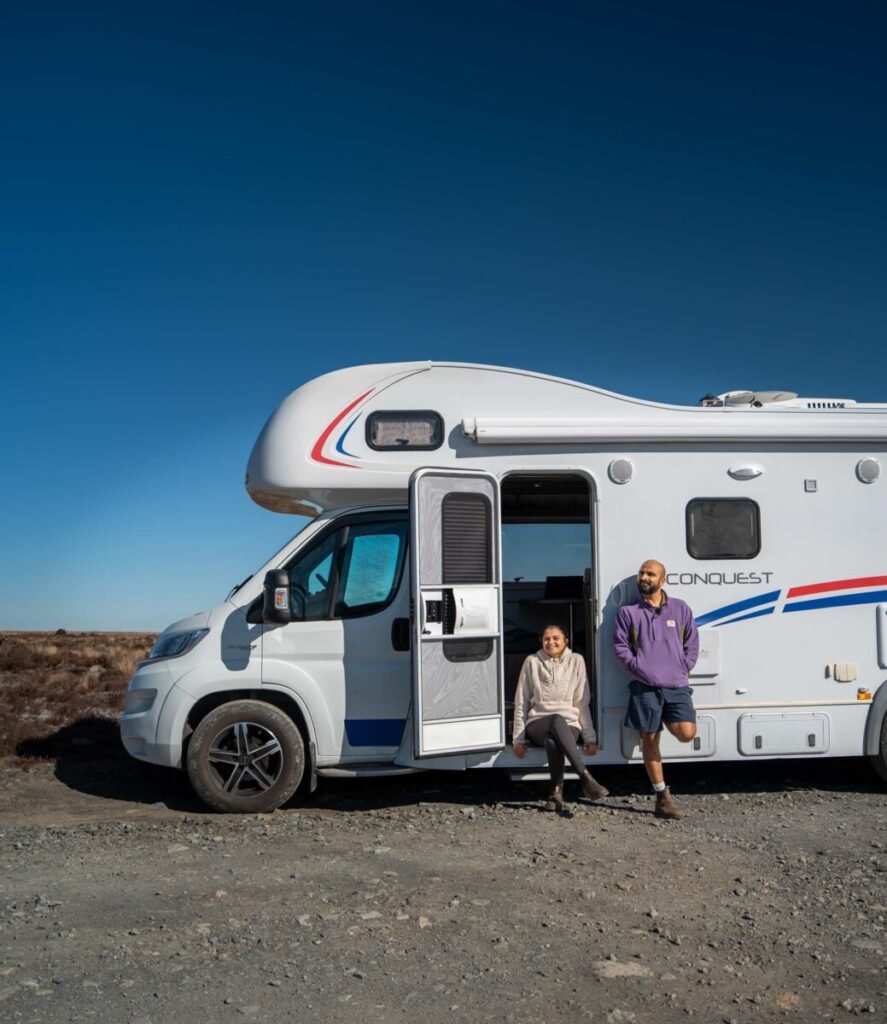
Table of Contents
Is Renting a Campervan in New Zealand Worth It?
Yes, 100%. But let me give you the full picture.
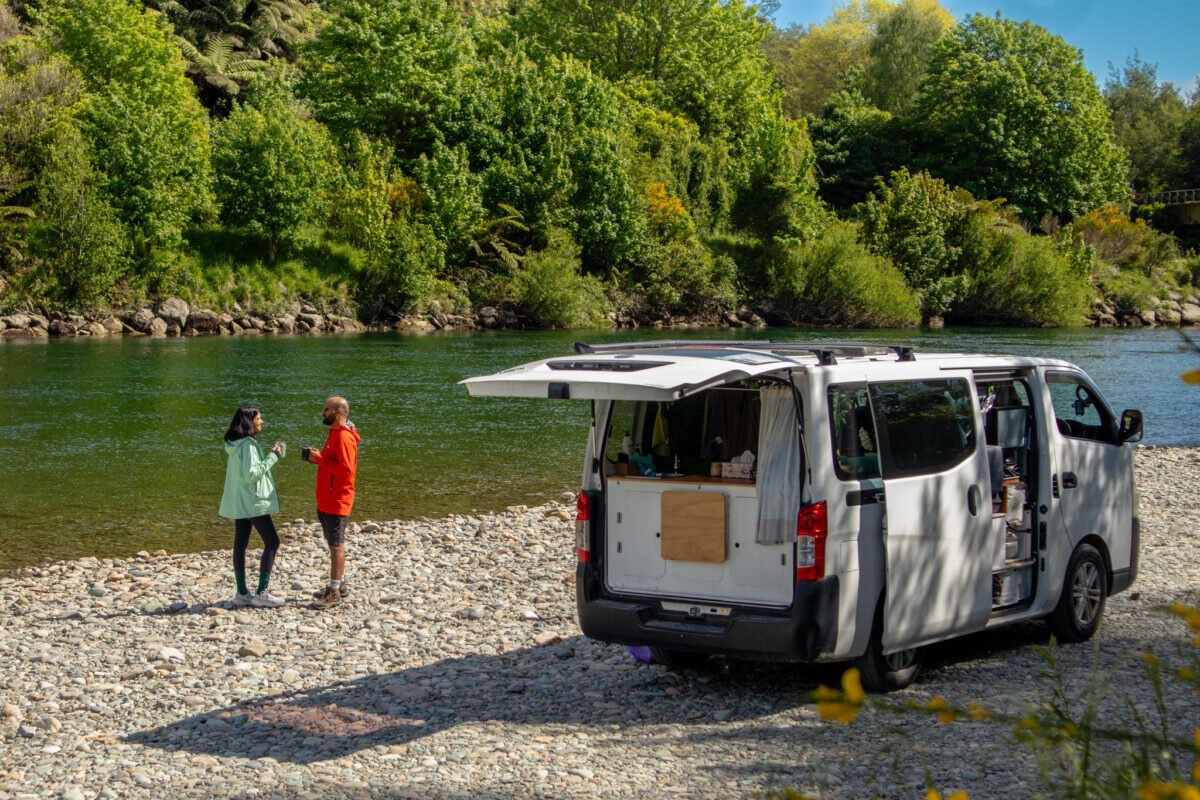
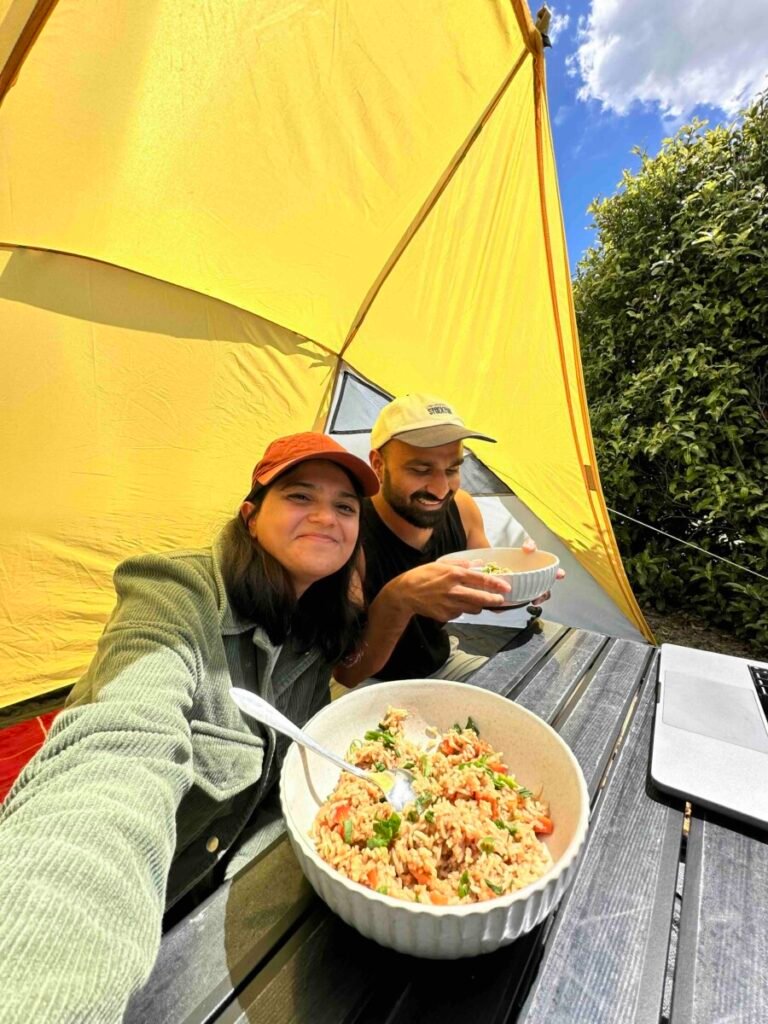
The reason I love renting a campervan in New Zealand is the ease that comes with it. No packing and unpacking every time you move. Your home travels with you. When you are hungry or want a coffee, the kitchen is right there, with a pretty epic view to go with it.
Every time we parked up somewhere stunning, it felt like a cheat code to any five star hotel view. Except we were paying holiday park prices or nothing at all.
Van life also brought our living expenses way below what we would pay for a normal rental or mortgage. That freedom is real.
That said, I do not want to glorify the logistics. You need to plan your stays in advance, make sure your van has enough power to charge everything, and if you are coming in peak season best time to visit New Zealand, paying $600 a day for a campervan hire honestly does not make sense. That is before holiday park fees on top of it.
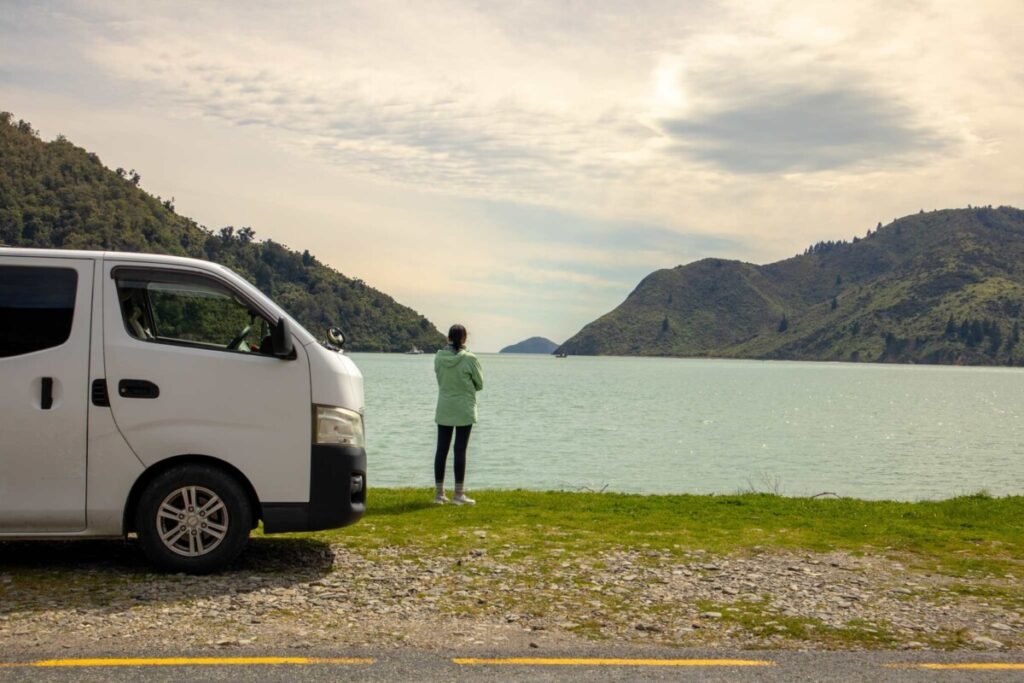
The best time to rent a campervan in New Zealand is shoulder season, April through to October. Prices drop significantly and you can even rent a motorhome in New Zealand from as low as $150 to $200 a day. Same roads, same scenery, a fraction of the cost.
Campervan vs Motorhome: Which One Is Right For You
Now this is where things get interesting.
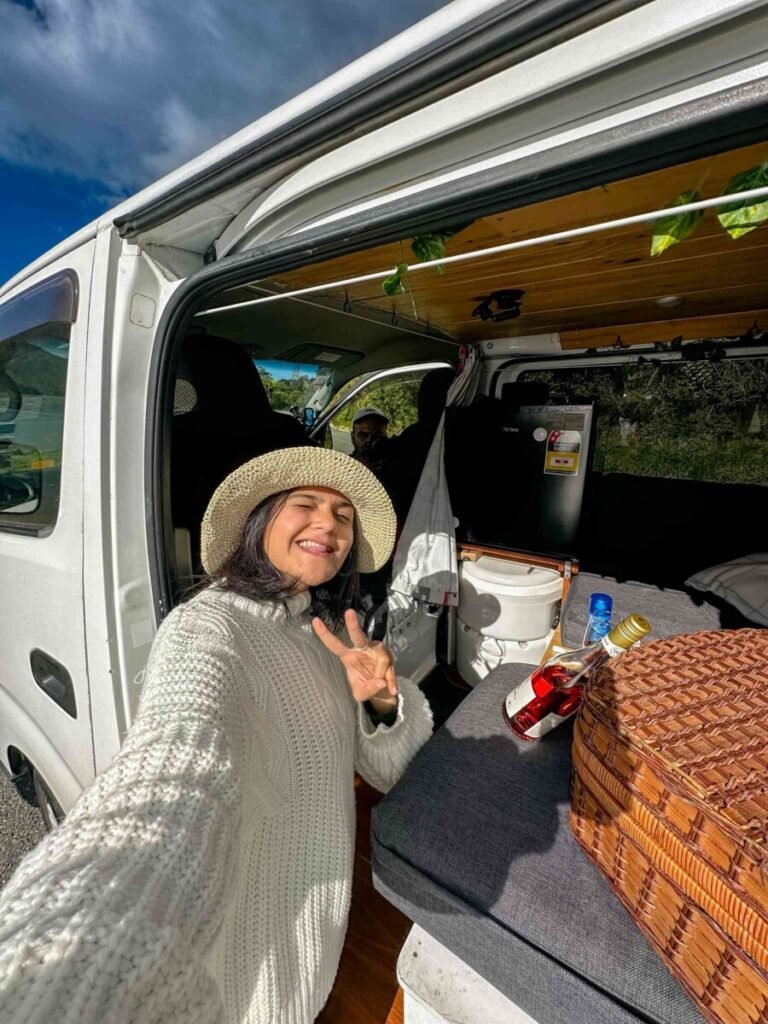
We lived and travelled in a tiny campervan for almost 6 months around the South Island and honestly, we loved it. There is something about living in a van that allows you to slow down and travel more deeply. But just like everything else, there is always the other side to it. New Zealand weather can be brutal and while our small van was perfect to drive around and park anywhere, realistically it does not give you enough room to do your day to day tasks.
We could not even stand up in our van so we were crouching the whole time we were inside. Our kitchen was outside and when it rained, we could not even cook without getting wet. So if you are planning to rent a campervan in New Zealand, it will fall into one of these three categories.
Small Vans
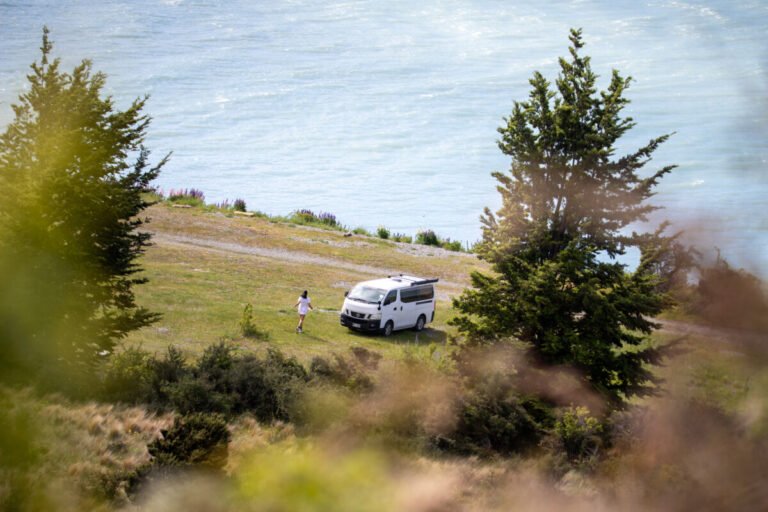
Similar to ours and the cheapest option you will find for Jucy campervan hire in New Zealand. It is basically a car with a campervan setup, kitchen, a portaloo that technically needs to be in the van for self-containment regulations but realistically nobody uses it, a sitting area that converts into a bed, and some storage.
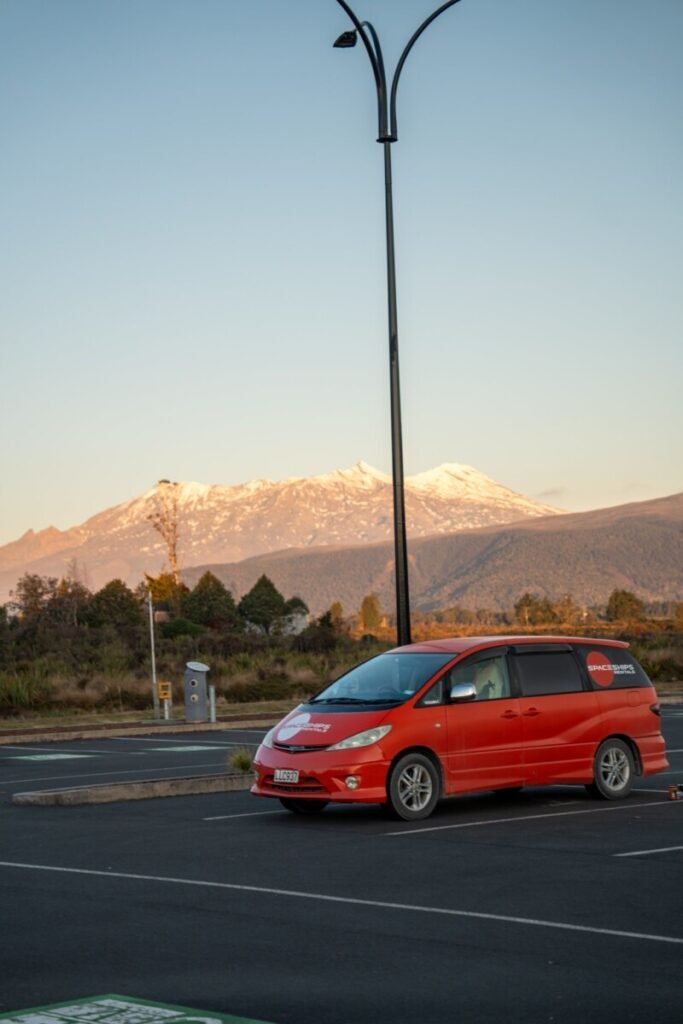
If you are on a tight budget, travelling for just a few days, or in your early 20s looking for an adventure, this is your option. Compact, no height restrictions, easy to park anywhere, and you can explore New Zealand slowly and freely. Spaceship Campervans
The downside, you cannot stand up inside. New Zealand weather can be harsh and keeping a small van clean becomes a real challenge. I could never keep our van as clean as I’d like to. You will also be relying on public toilets constantly.
Mid-Sized Vans
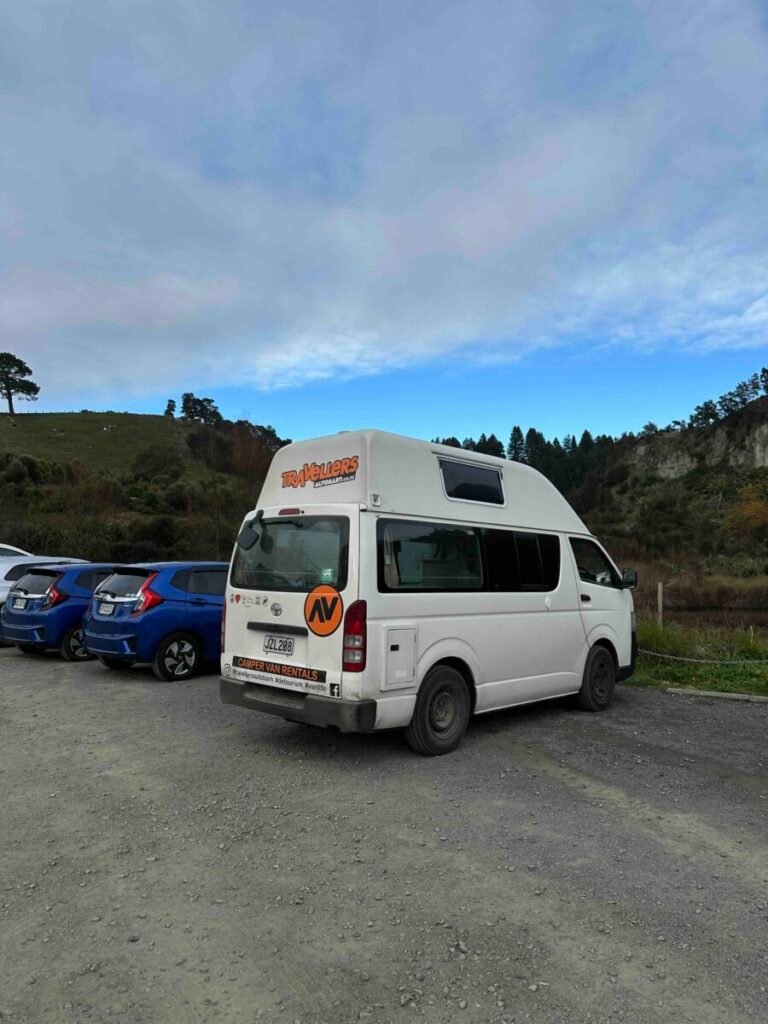
Similar to the small van but with a high roof. Travellers Autobarn Standing up inside your campervan and having space to at least move around makes more difference than you can imagine. If a motorhome is out of budget, try to at least go for the high roof option. It saves you from a lot of frustration, especially in New Zealand’s moody weather.
Sprinters and LDVs sit in this category too but tend to be slightly higher in price than the standard high roof vans. They are a bit bigger and often offer more space and better facilities so the extra cost can be worth it.
NZ FREE GUIDE
Want the Full New Zealand Guide?
We put together our complete New Zealand travel guide, free. Pop your email in below and we will send it straight to your inbox.
Motorhomes
This is a whole elevated experience.
When we decided to upgrade, we were originally thinking of getting a Sprinter but the moment we started looking at motorhomes we could see ourselves living in one long term. The funny part is neither Sagar nor I had ever driven a motorhome until the day we bought ours.
That first drive was equal parts exciting and nerve-wracking. He was constantly checking every side mirror and the rear camera to understand the size of it while moving. The driving itself was fine. It was the parking that took us a while to get comfortable with. You simply cannot pull into just anywhere and that takes some getting used to.
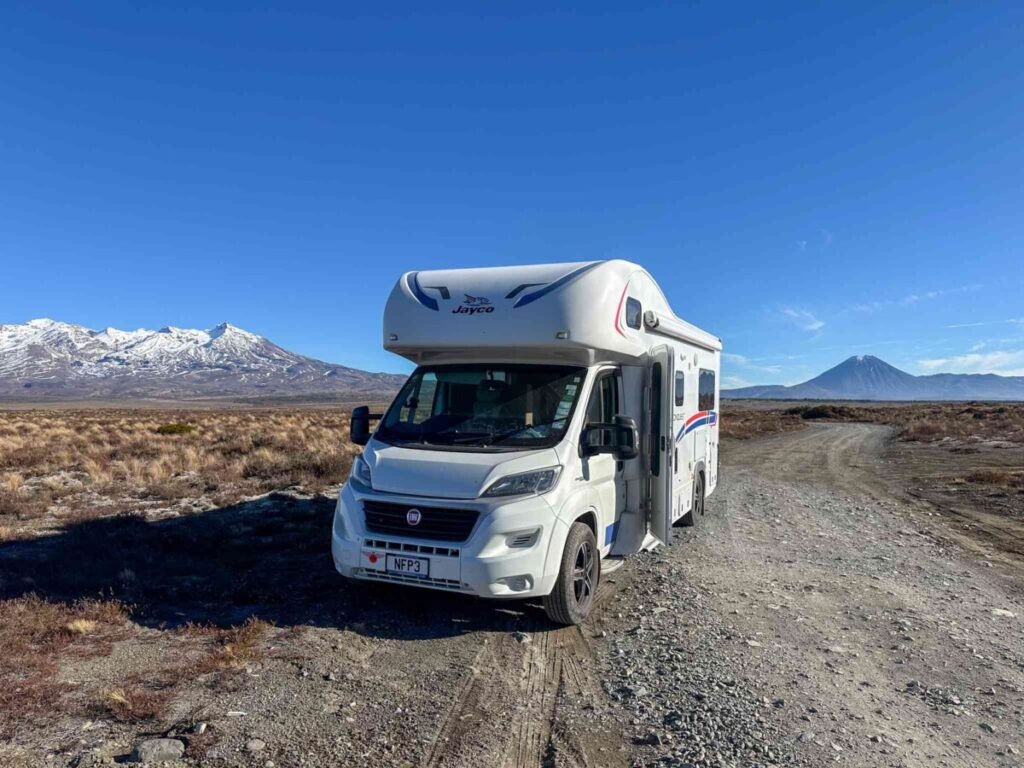
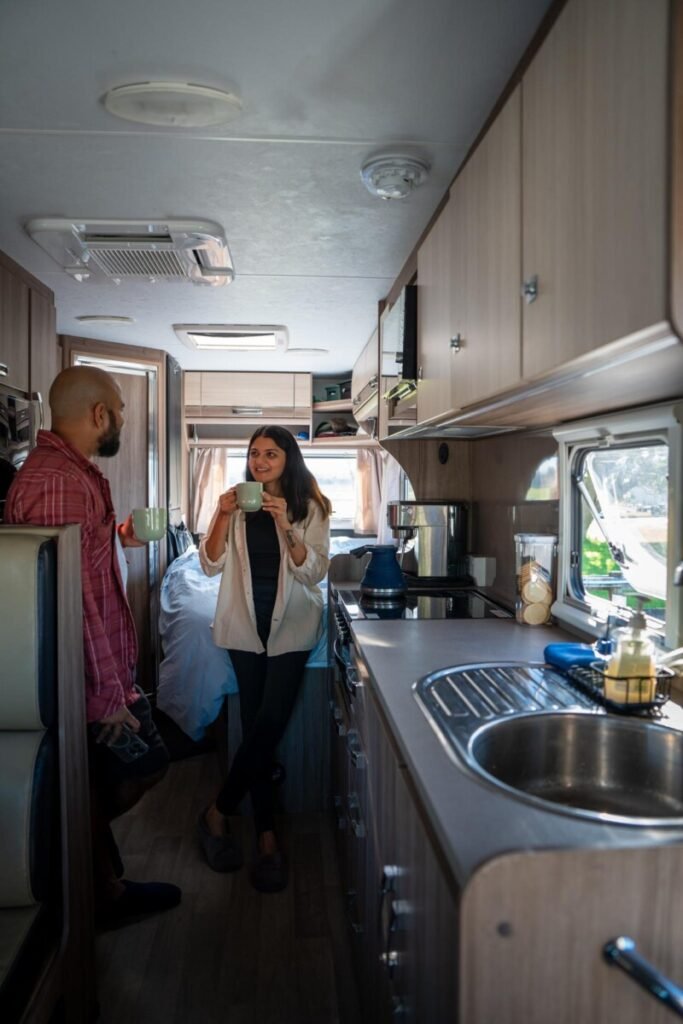
But honestly, if you can, get a motorhome. It is spacious, feels like home, and gives you all the comfort you could want, hot shower, microwave, heater, enough water storage to last a few days without needing a hookup.
The only real downsides are the size and some height restrictions. Our motorhome has a 3.4m height restriction so you need to be aware of that when planning routes and parking. The other thing is the power. You might need to stay at a powered campsite every 2 to 3 days if the motorhome does not have a setup to charge the battery through solar.
For motorhome rental in New Zealand, Wilderness Motorhomes is the most premium option and consistently gets called the best motorhome hire New Zealand has available. THL brands, Maui, Apollo and Britz, offer a range of motorhomes at more competitive rates and are worth comparing before you book.
If you are coming for 2 to 3 weeks, a motorhome will elevate your experience significantly over the other two options. It is the more expensive choice but for longer trips it is worth every dollar.
If You Are Still Confused
- First timer, short trip, budget conscious: Spaceship Campervans
- Couple or family, 2 weeks plus, want comfort: Motorhome
- Solo traveller, adventurous, do not mind roughing it: Spaceship Campervans
Car vs Campervan: The Honest Comparison
Whether you are thinking about hire a campervan New Zealand style, or just renting a van in New Zealand for a few weeks, this is the most common question I get on my book a planning call page. The idea of a campervan is very appealing but many people do not realise the logistics that go behind it.
Renting a car is easy in so many ways. You pick up a car you are comfortable driving, load your luggage, book a mix of hotels and unique stays along your route and that is about it.
Renting a Spaceship Campervans in New Zealand is a different experience from the moment you pick it up. No matter what size you go for, there is a walkthrough when you collect it, how the sink works, where the water comes from, how to empty the wastewater, how to convert the seating area into your bed for the night. That process takes about 30 to 40 minutes and it is worth paying attention to every word.
After that, the main thing is finding campgrounds along your route. There are apps that make it easier but if you are new to campervan travel it takes a little while to get used to holiday parks, their facilities, and this whole different style of travelling. You will also need to find a powered campsite every 2 to 3 days to keep your power running if your van does not have solar.
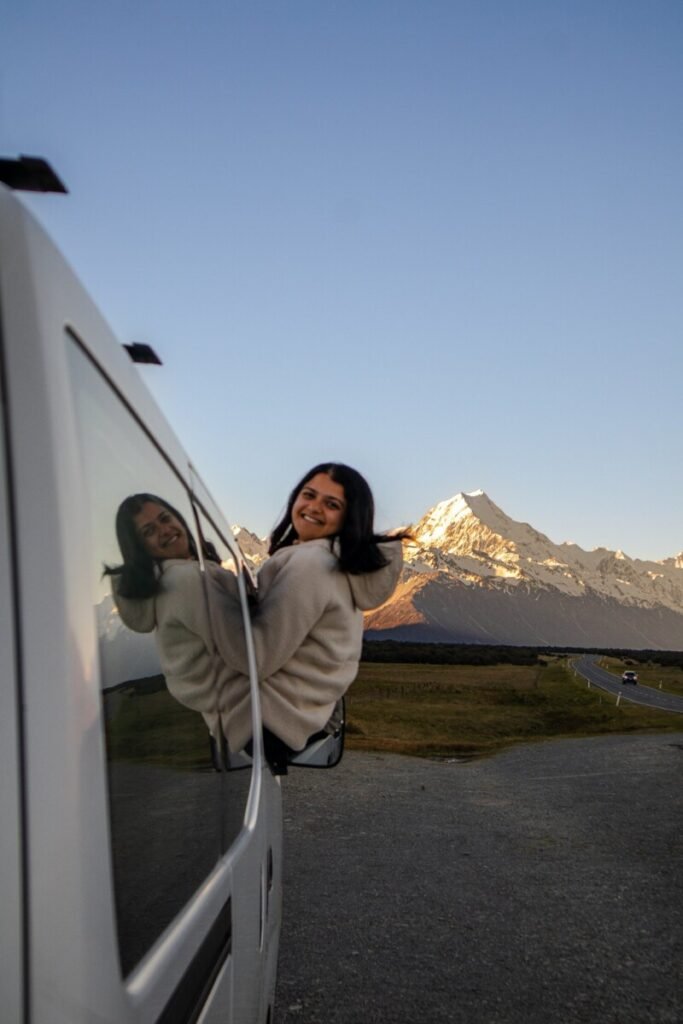
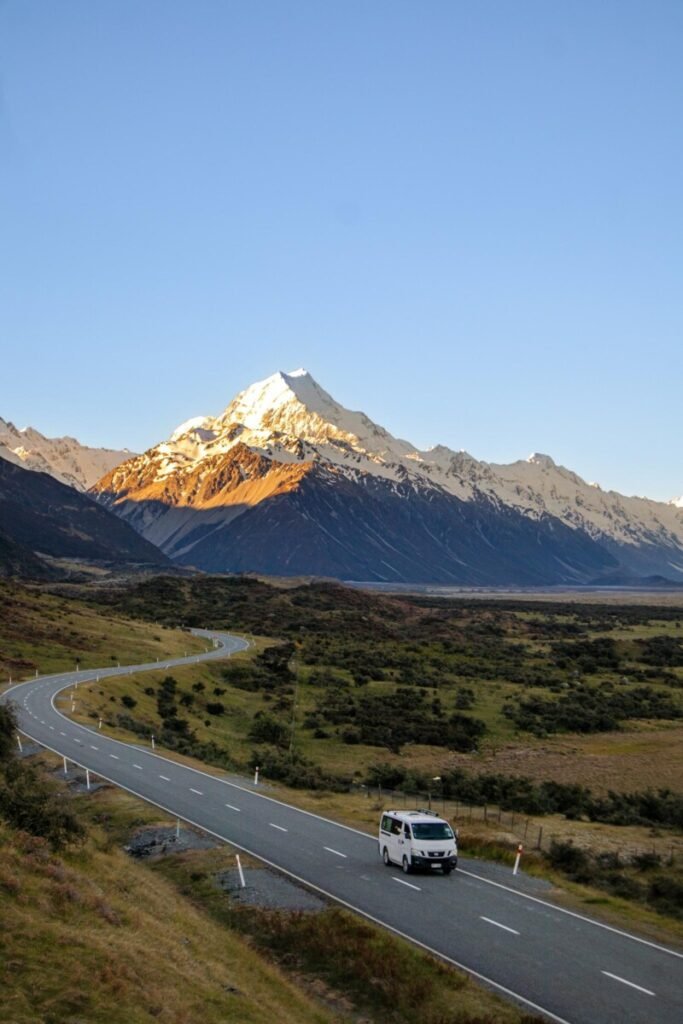
But on the other hand, you get to experience New Zealand raw. Lakefronts, snow capped mountains, empty beaches, they become your backyard. You can be parked up inside a national park one morning and winding your way down to Milford Sound by afternoon. That is the kind of travel that just does not happen any other way.
We travelled as broke backpackers when we first came to New Zealand over a decade ago. Now, building this business, we get opportunities to stay at some of the best hotels in the country. After experiencing both ends of the spectrum, the raw feeling van life gives you is still unmatched.
Self-Containment Rules: What Changed in 2026
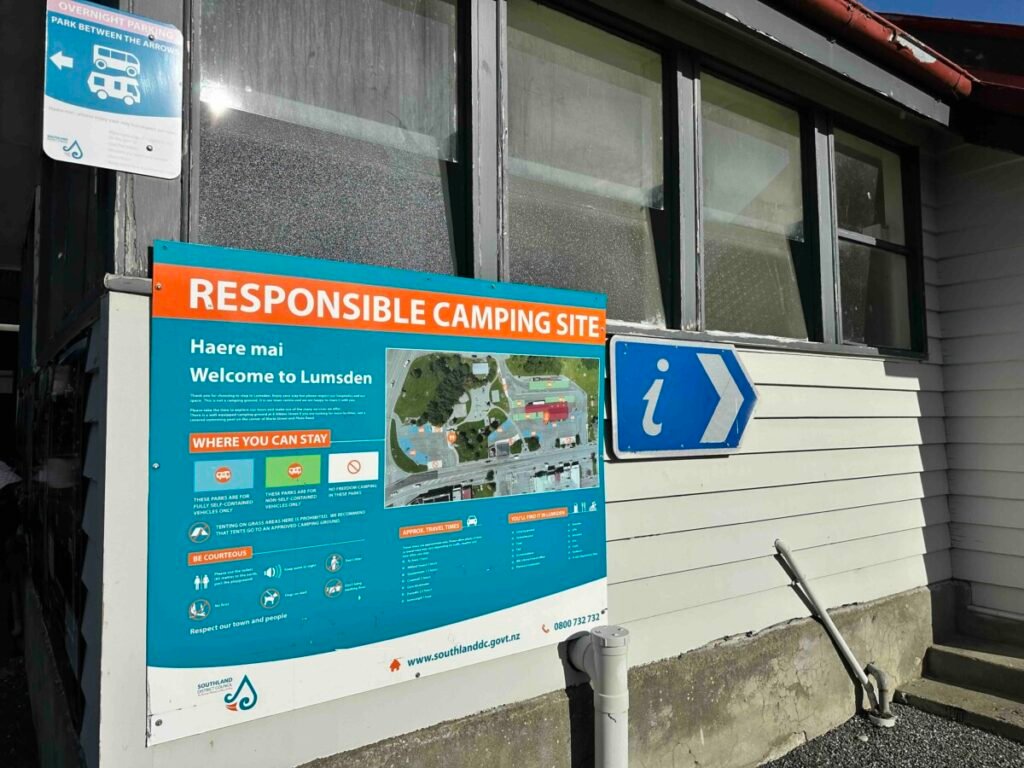
If you are planning to freedom camping in New Zealand during your campervan trip, this is important. The rules changed on 7 June 2026 and most rental guides have not updated for it yet.
From this date, every vehicle used for freedom camping must have a certified green warrant displayed on the windscreen. Blue warrants are no longer valid. Portable toilets no longer qualify either, your van needs a fixed toilet permanently secured to the floor.
Most reputable rental companies will have already updated their fleet but it is worth asking specifically before you book, especially for smaller or older vehicles.
Fines start at $400 for freedom camping without a valid green warrant.
We have covered the full freedom camping rules in detail here. freedom camping in New Zealand

How Much Does Renting a Campervan in New Zealand Actually Cost
The pricing depends on a lot of factors but to simplify it, the fancier it gets, the pricier it is.
Small campervans are vehicles similar to an Estima or Hiace, with or without a high roof. Most are 2-berth setups, meaning they sleep two people with the seats folding into a bed. When comparing options, berth count matters as much as budget. The motorhome category covers everything from slightly bigger vans like Sprinters and LDVs at the lower end through to full 4-berth and 6-berth motorhomes at the top. Jucy
These costs represent the daily rental rate. Add insurance on top but this should give you a good indication of what to expect.
NZ FREE GUIDE
Want the Full New Zealand Guide?
We put together our complete New Zealand travel guide, free. Pop your email in below and we will send it straight to your inbox.
Small Campervan
Peak season (December to February): $170 to $400+ per day
Shoulder season (March to May, September to November): from $35 to $90 per day
Winter (June to August): from $75 per day
Have a look at Jucy and Spaceship Campervans.
Motorhome
Peak season: $430 to $600+ per day
Shoulder season: $150 to $300 per day
Winter: from $110 per day
On top of the rental, budget for:
Holiday parks: $40 to $80 per night for a powered site
Freedom camping: free if your vehicle has a certified green warrant
Road user charges: diesel campervans and motorhomes are subject to road user charges in New Zealand. This is separate from fuel costs. Ask your rental company whether RUC is included in the price or whether you are responsible for it
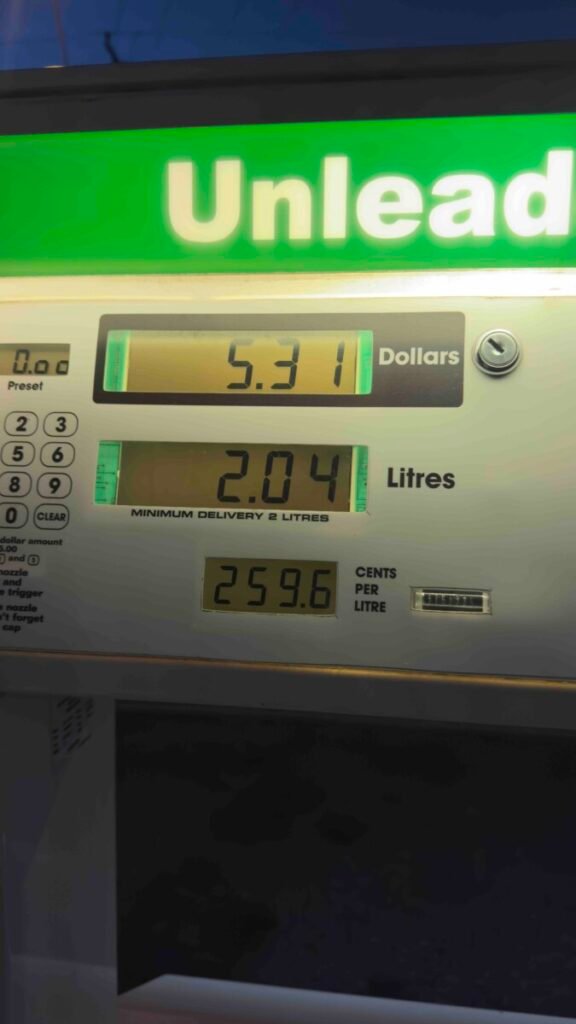
Fuel: campervans use significantly more than a regular car
Food: cooking in the van saves a lot compared to eating out every meal
The Best Campervan Rental Companies in New Zealand
I will be honest, we have not personally rented from each of these companies. I travelled in a Star RV motorhome about 10 years ago but beyond that, everything here is from research, local knowledge, and what I know from years of living this lifestyle in New Zealand. Take it as an informed local’s perspective rather than a personal review.
There are a lot of campervan rentals available in New Zealand and the range in quality is significant. I have tried to pull together an honest list across different budgets so you are not stuck doing the research yourself. There are a lot of campervan companies in New Zealand and the quality gap between them is real. These are what I consider the best campervan rental New Zealand has to offer right now, split by price range.
Budget
Jucy: the Jucy campervan experience is hard to miss, bright green, everywhere, and good value. Bright green vans, flexible pickup and drop off locations across the country, and prices from around $75 per day in off peak season. Reviews are hit and miss depending on the vehicle and branch but for budget campervan rental in New Zealand they are hard to beat on price. Just know you will be very visible on the road.
Spaceship Campervans: the pick for ultra budget travellers. All converted Toyota Estimas, compact, easy to drive like a regular car, and no hidden fees, the price you see is the price you pay. They even have a self-contained model with a green warrant for freedom camping. Prices from as low as $35 per day in off peak, probably the cheapest campervan New Zealand option you will find. Award winning for best transport in New Zealand adventure tourism two years running. No one way fees and no young driver surcharge which makes them popular with backpackers.
If you are planning a campervan trip between October 2026 and April 2027, book now in June to lock in $200 off your Spaceship campervan booking automatically. No code needed, it just comes off at checkout. Minimum 14 days hire.
1:1 PLANNING CALL – $70
Not Sure Where to Start? Let’s Talk.
Book a 60 minute call with us and we will help you plan your New Zealand trip, one on one.
Mid-Range
Travellers Autobarn: popular with backpackers and short term travellers, good range of vehicle sizes, and consistently well reviewed for customer service. A solid option if you want something between budget and premium without the big brand price tag.
Big Little Campers: locally owned and designed for couples who want something stylish and practical. Well designed compact campervans with great reviews across the board. If you want a more personal experience with a New Zealand owned company, this is a great pick.
Mad Campers: Mad Campers New Zealand has been gaining serious traction for good reason. Their pickup and drop off locations cover Auckland Christchurch routes, which spans the two main starting points most travellers use. Their vehicles are thoughtfully designed with great reviews across the board. They even offer New Zealand’s first solo campervan for single travellers. The self-contained 2 person van starts from $110 per day in off peak season and $335 in peak season. Unlimited kilometres included and most vehicles are certified self-contained with a green warrant.
Premium
Wilderness Motorhomes: the most premium locally owned option for motorhome hire in New Zealand. High quality vehicles, fully self-contained, and built for longer trips. The price reflects the quality but if comfort matters this is the one.
Kiwi Motorhomes: a smaller, locally owned operation that often gets overlooked but has good reviews for value and vehicle quality. Worth getting a quote alongside the bigger names.
Maui and Britz: part of the THL group, large international companies with a wide range of motorhomes across both islands. Reliable, well maintained, more corporate in feel but a solid choice if you want consistency and wide availability.
If keeping costs down is a priority, the off-peak window, June to August and late March to May, is where the real deals are. Prices drop significantly and the roads are quieter too. A campervan trip in winter is genuinely underrated.
One tip before you book: Motorhome Republic is a good starting point to compare pricing across different models and companies. That said, always double check the company’s own website directly, sometimes they have better deals if you book straight through them. Motorhome Republic is worth using as a starting point to compare NZ campervan rental prices across multiple companies before going direct. For unfiltered takes, the r/newzealand subreddit has genuine traveller threads on the best campervan rental options in New Zealand.
What You Need to Know Before You Pick Up the Keys
A few things worth knowing before you drive off the lot:
Most companies are based in Auckland or Christchurch, with smaller branches in Queenstown. If you are starting your South Island leg from Queenstown, check availability early, it books out fast in peak season.
Always ask about self-containment certification before booking. Not all vehicles qualify for freedom camping and this matters more than ever with the new 2026 green warrant rules
If you are used to driving on the right, give yourself a day to adjust before tackling New Zealand’s narrower roads. It feels natural sooner than you expect but take it easy at first
New Zealand roads are narrower than most people expect, especially on the West Coast and in Northland
Check height restrictions if you are renting a motorhome. Car parks and tunnels can be an issue. Our motorhome is 3.4m which rules out quite a few spots
Book well in advance for peak season, campervans sell out months ahead, especially the popular models
Some companies charge extra for one way rentals, dropping off in a different city to where you picked up. Check before you book
Download CamperMate before you leave home. It is the most useful app for finding freedom camping spots, holiday parks, dump stations and water refill points across New Zealand
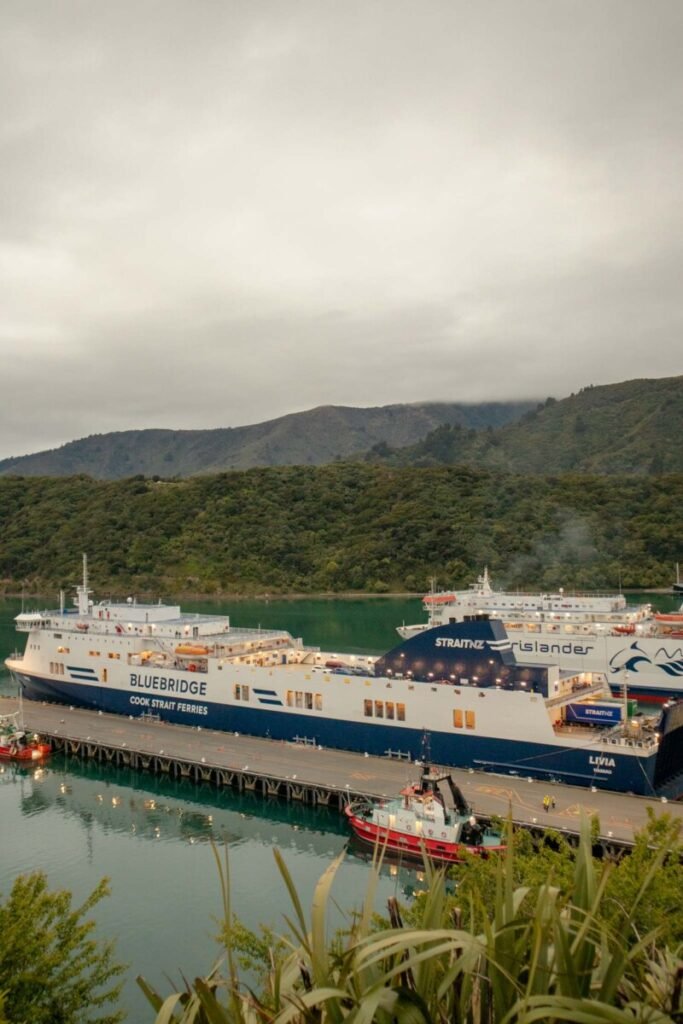
Driving to the ferry: if you are doing both islands, the Interislander or Bluebridge ferry between Wellington and Picton needs to be booked in advance, especially in peak season. Campervans and motorhomes have a different vehicle rate than cars. Most people start their North Island leg from Auckland and end in Wellington, then pick up again in Picton for the South Island
If you want to experience the Southern Alps without driving, consider combining your campervan trip with the TranzAlpine — take the train one way and drive the other.
Fuel type: worth checking whether your rental is petrol or diesel before you leave. Most campervans are diesel but not all
Kitchen essentials check: some rental companies include cooking gear, some do not. Confirm what is included before pickup so you are not shopping for pots and pans on day one
Van Life Tips for First Timers
A few things we wish someone had told us before our first night in the van:
Pack less than you think you need. You will use about half of what you bring and storage space goes fast
A two burner gas cooker covers 90% of meals on the road. Keep cooking simple and you will be surprised how well you eat
For winter: thermal curtains on every window make a huge difference overnight. A good duvet is non-negotiable. If it is your own van, a diesel heater is the best investment you will make
For connectivity: Spark and One NZ have the best network coverage across New Zealand. Check out eSIM options on either network before you arrive so you are set up from day one
New Zealand weather is unpredictable. Get a pair of jandals from Kmart or The Warehouse and leave them at the van door. It genuinely helps keep the mud outside
Plan to stay at a powered campsite every 2 to 3 days to keep your battery charged if your van does not have solar
If you are travelling for more than 15 to 20 days and mostly staying at Top 10 Holiday Parks, the membership is worth getting. Members get discounts on stays as well as activities and the Interislander ferry
Some holiday parks charge separately for showers via coin machines. Keep coins on you or ask about penny tags when you check in
Most towns and holiday parks have dump stations and water refill facilities. CamperMate shows you where they all are
Make sure you freedom camp for at least a few nights. Those sites are often in the most beautiful spots in the country and waking up there with no one around is exactly why people choose this way of travelling
PAK’nSAVE is the cheapest supermarket in New Zealand. Planning your grocery stops around PAK’nSAVE locations saves a significant amount over a two week trip
Most holiday parks have laundry facilities. Plan a laundry stop every 4 to 5 days rather than overpacking clothes
Travelling in a campervan in New Zealand gives you a taste of this country like nothing else. The unique stays and beautiful hotels absolutely have their place, book one or two along the way but that wild, freeing feeling only comes from the road.
If you are still deciding which campervan is right for you, or want to dig deeper into a specific part of the country, I have linked our other New Zealand guides below. If you are still figuring out where to go, our best time to visit New Zealand will help you pick the right season for your trip. And once you are on the road, our freedom camping in New Zealand covers everything you need to know before you park up for the night.
Planning your route and want a second opinion? book a planning call with us and we will help you put it all together.
CUSTOM ITINERARY
We Can Build Your New Zealand Trip For You
Skip the hours of planning. Tell us how you want to travel and we will hand you a complete, day by day itinerary built just for your trip.