DOC Campsites New Zealand: Free to $25 a Night (2026)
Sagar and I went to Gisborne in 2022 to celebrate Christmas. It was our first real taste of camping. The Anaura Bay campsite was remote with no facilities at all but the park was massive. For the first time we saw so many kinds of caravans, campervans and huge tents all in one place. We had a modest tent and our own cassette toilet but that experience stayed with us.
On the same trip we were catching a sunset by the ocean when we noticed someone cooking their dinner in their van. We both looked at each other and felt it at the same time, how freeing that must feel. How cool it is to cook your meal that close to nature and just sit with it afterwards.
I am not going to say that moment led us to buy Wander Bee. But those experiences made it easy for us to decide to start camping around New Zealand. And when we did buy our campervan and hit the road, we felt so happy. It was almost addictive. We started using hotels and Airbnbs less and less and chose camping whenever we could. We even ditched pitching a tent entirely. The campervan was just perfect for the kind of raw New Zealand experience we were after.
And almost every single time, we ended up at either a DOC campsite or a freedom camping spot. Holiday parks have great facilities and a kind of glamping feel to them but after spending nights at DOC campsites, those places started to feel a little restrictive. Less natural. Less raw.
That is what this guide is about.

What Are DOC Campsites?
DOC stands for Department of Conservation. It is the government entity that manages over 250 DOC camping grounds and campsites across New Zealand.
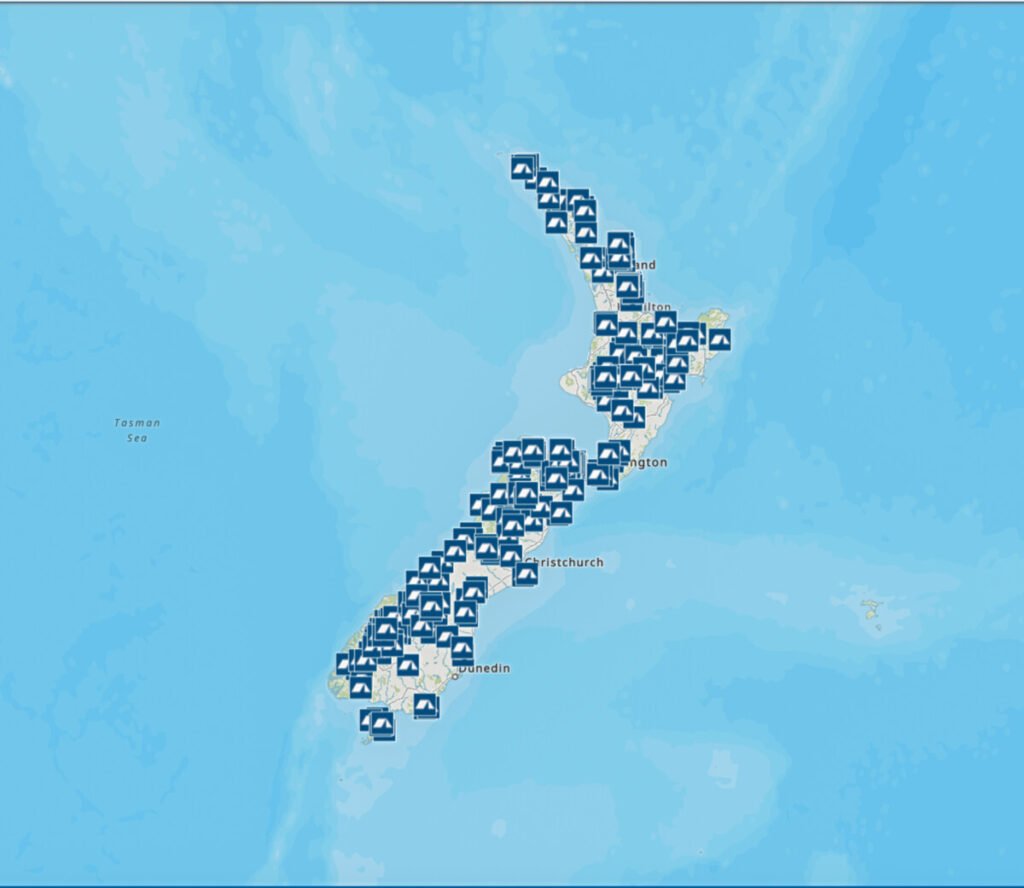
Because these sites are government managed, DOC has access to land and locations that private companies and developers simply cannot touch. That is what makes them special and it shows in both the price and the settings.
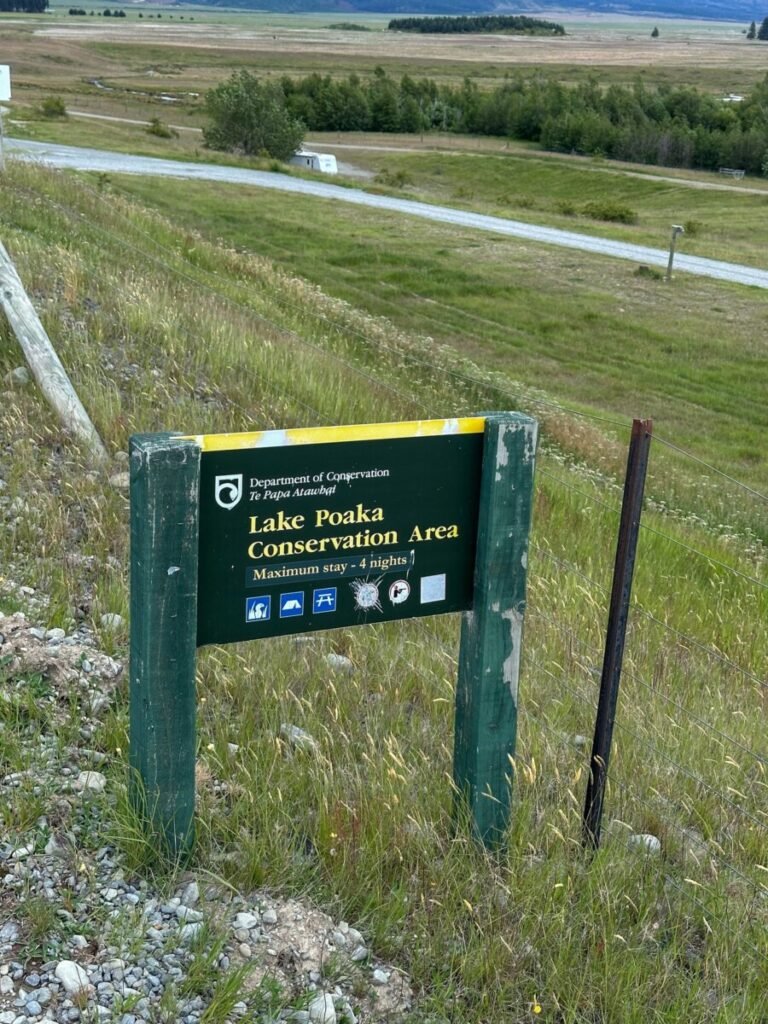
Here is an example for a quick comparison. Lake Tekapo accommodation starts from $100 NZD a night minimum. There is a privately owned campsite nearby too. But drive just 30-40 minutes from Lake Tekapo and you arrive at Lake Poaka, a DOC campsite that is also a freedom camping spot. That means you could be paying nothing to stay there. Lake Tekapo books out months in advance while Lake Poaka gives you a lakefront spot even during peak season.
For anyone travelling in a campervan or motorhome, DOC campsites are often the best kept secret in New Zealand. The locations are extraordinary, the cost is a fraction of any hotel or holiday park, and because many people do not know about them, you can find yourself completely alone in some of the most beautiful spots in the country.
But it is not quite that simple. The catch is the facilities. DOC campsites are not all the same and knowing the difference before you book will save you a lot of surprises. Let me explain.
DOC Campsite Categories: What You Are Actually Booking
DOC has kept the categories simple. The name and the price tell you most of what you need to know. We have stayed in most of these so here is what to actually expect:
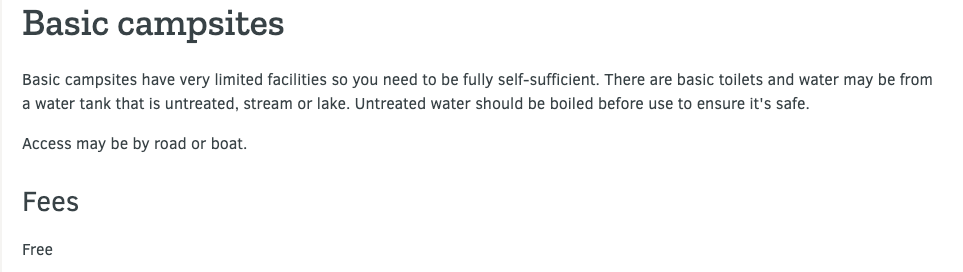
Basic: from $10 Exactly what it sounds like. Basic toilet, water from a tank or stream that needs to be boiled before drinking, and nothing else. You need to be completely self-sufficient. Some of these are actually free to stay at, which makes them one of the best kept secrets in New Zealand.
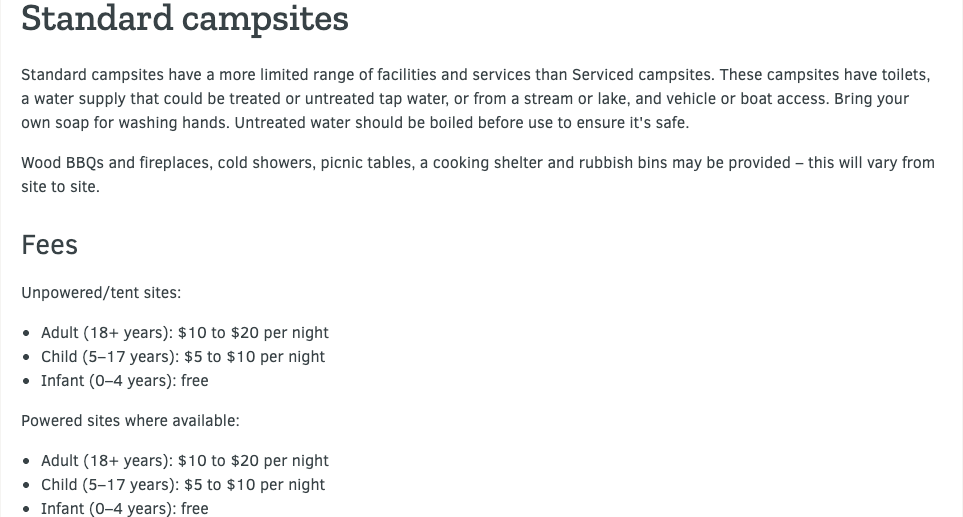
Standard: $10 to $20 per person per night A step up from basic. Toilets, a water supply, and sometimes cold showers, a BBQ, picnic tables or a cooking shelter but it varies from site to site so always check before you arrive. Generally first come first served, cannot be booked in advance.
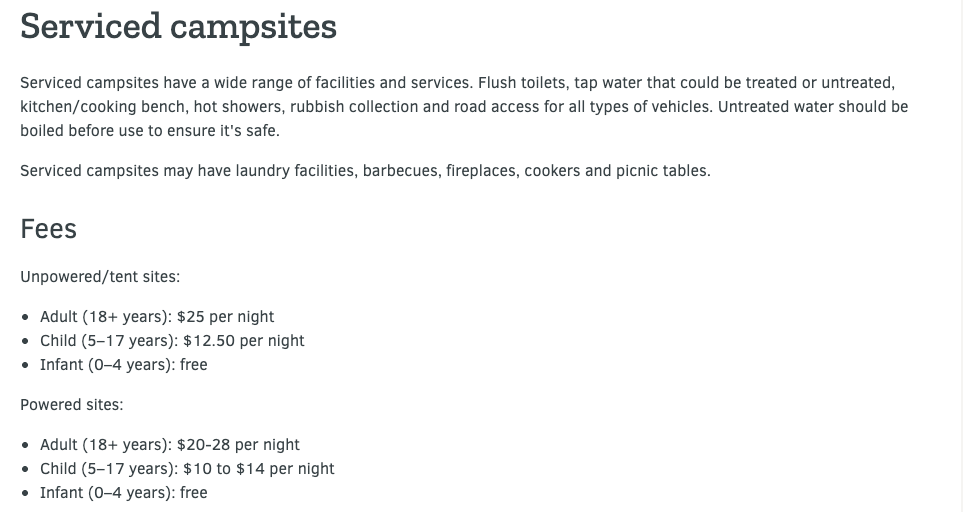
Serviced: $25 per person per night The most equipped category. These sites provide flush toilets, hot showers, a kitchen and cooking bench, rubbish collection, and road access for all vehicles. Some even have powered sites, laundry facilities and BBQs. These can be booked in advance and fill up fast in peak season.
Backcountry: prices vary Remote sites usually only accessible by foot or boat. Toilets and water from a stream. Some have picnic tables, cooking shelters or fireplaces. These are for the adventurous, the kind of spots where you feel like you have the whole place to yourself. Check individual campsite pages for pricing.
Great Walk Campsites: prices vary These sit alongside the famous Great Walk tracks, Milford, Routeburn, Abel Tasman and others. Basic facilities including toilets, handwashing sinks and water supply. No indoor hut facilities. These need to be booked in advance and sell out fast, sometimes within minutes of booking opening. Check the DOC Great Walks pricing page for current rates.
Is the DOC Campsite Pass Worth It?
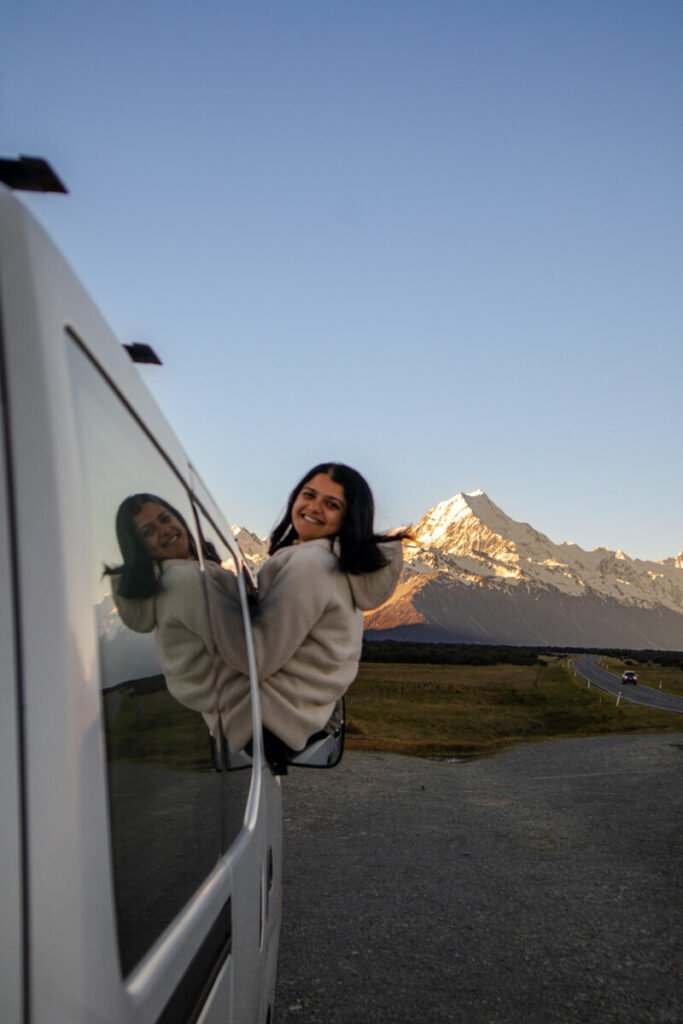
The Campsite Pass lets you stay at most DOC campsites for up to 7 nights in any 30 day period at a single site but honestly, it only really makes sense for long term travellers. If you are only in New Zealand for 2 to 4 weeks, it is hard to get the value back from what you pay.
Last year, with our tiny van Wander Bee, we were heavily relying on public toilets so DOC campsites made a lot of sense for us. We bought the pass and it was so worth it. We mostly stayed at freedom camping spots or DOC parks throughout that trip.
The pass costs $295 NZD for one adult, valid for a full year. If you were staying at standard campsites averaging $15 a night for 30 days straight, you would more than cover the cost. But realistically you will be moving between different campsites, freedom camping spots, and holiday parks. So the real question is how many DOC nights you will add up across your whole trip.
If you are coming for 2 to 3 months and plan to stay at multiple DOC campsites along the way, it is worth it.
A couple of things to know before you decide. Some DOC campsites are excluded from the pass entirely, especially Great Walk campsites and certain sites during Christmas and New Year. If you are travelling over that period, check the exclusion list before assuming the pass covers you.
Second, some sites charge extra even with the pass. We stayed at Momorangi Bay, a serviced campsite in Marlborough, and even with our pass we had to pay an extra $3 a night per person for the powered site. Some sites may charge similarly for other extras so always check before you arrive.
We bought the pass last year and it was totally worth it for us. This year, with our motorhome and NZMCA parks available almost everywhere, we are not sure it makes sense for us anymore.
My advice, map out your route first. Get a rough idea of how many DOC nights you will realistically have across your trip, then decide. The pass used to come in a 30 day option too which was great for shorter trips, but that has been discontinued. It is the annual pass or nothing now.
Still working out what your trip will actually cost? Our guide breaks down real prices for every part of a New Zealand trip.
What You Need to Know Before You Book
A few practical things to keep in mind:
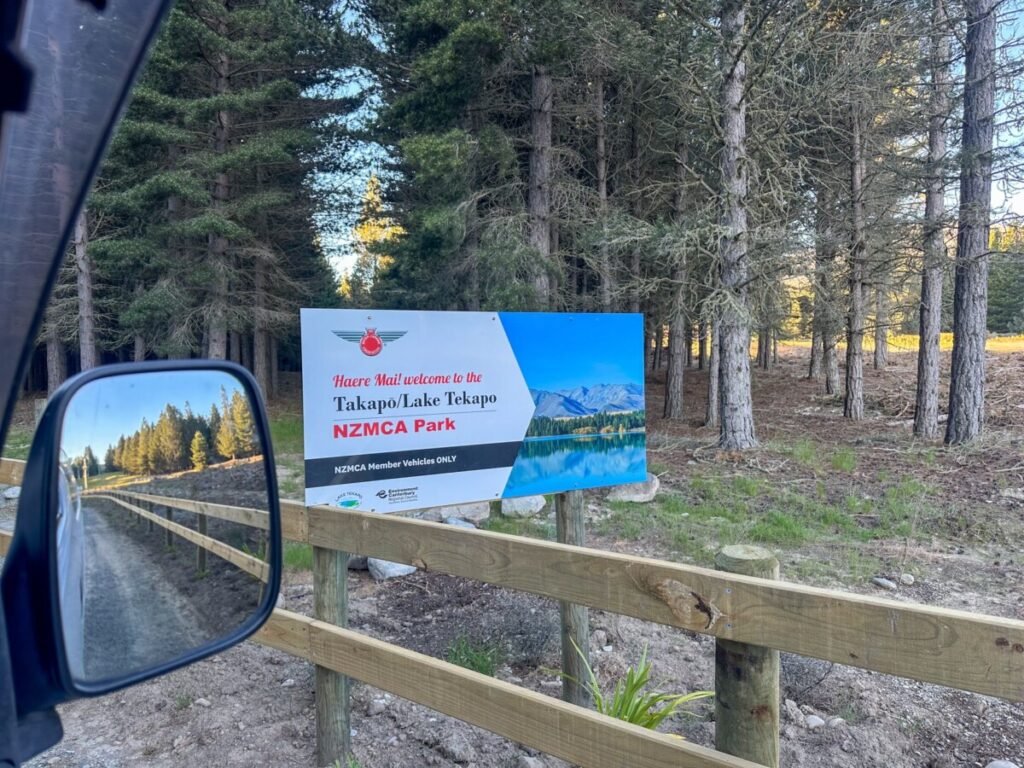
DOC campsites are often in the most stunning locations in the country, but that also means some of them take longer to get to and are less convenient if accessibility matters to you. Factor in extra driving time, especially for the more remote sites.
Not all DOC campsites are equipped for non self-contained vehicles. Always check the campsite description before planning your trip around one.
Some DOC sites are extremely popular and fill up fast, a few campsites near Milford Sound are a good example. Book ahead if the site allows it, or have a backup plan if it does not.
From June 2026, self-containment rules require a certified green warrant for freedom camping. We have covered this in full in our freedom camping in New Zealand guide.
The DOC website itself is useful. Every campsite has its own page with facilities, pricing, access information and current alerts. Worth checking before any trip.
One thing to understand, when a campsite is listed as “no facilities,” it means exactly that. There might be a basic toilet but nothing else. No showers, no cooking facilities, no water supply you can rely on. Go in prepared.
Free guide
Free New Zealand Travel Guide
Our complete NZ travel guide, free, straight to your inbox.
Best DOC Campsites in the South Island
This is my favourite part to write.
We travelled around many regions of the South Island in our tiny van over 6 months. I cannot say we have stayed at every DOC site, but we have stayed at quite a few. Everything below comes from that personal experience, region by region.
McKenzie Region
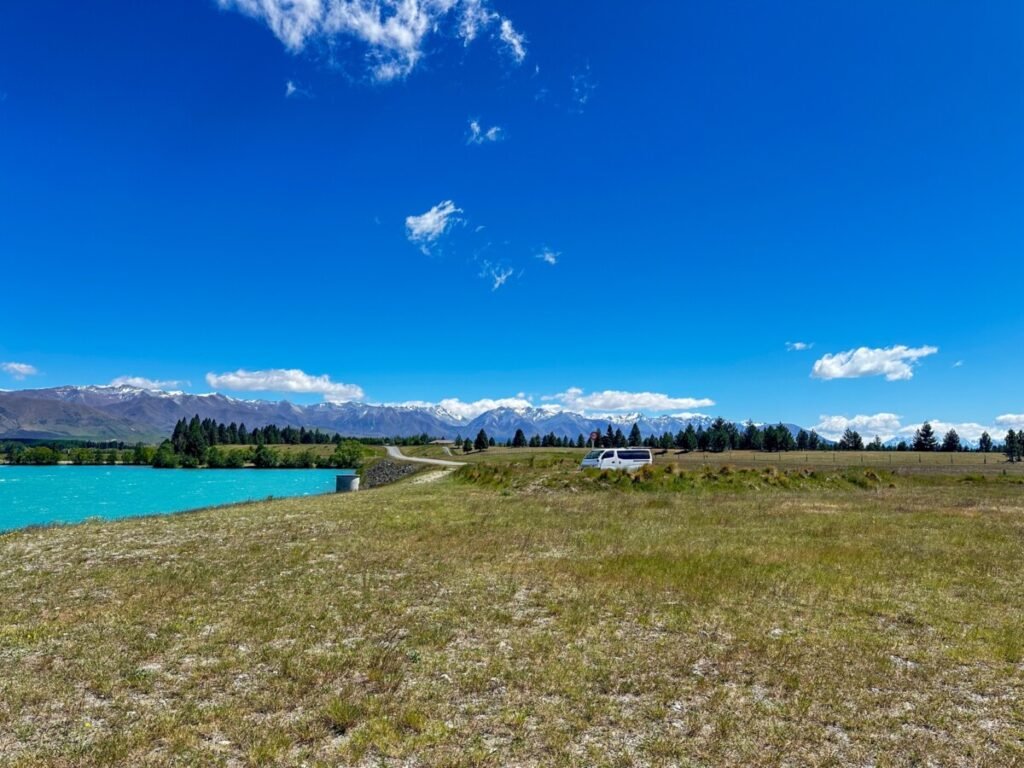
This region has a surprisingly good mix of DOC and council run campsites. Lake Pukaki Overnight Campsite is council run and by far one of the best we have stayed at. The only downside is the toilets, there are only dump toilets located on the bottom layer of the three carpark tiers. Network signals can be hit or miss depending on which layer you park on. And if you turn up late, the good spots fill fast.
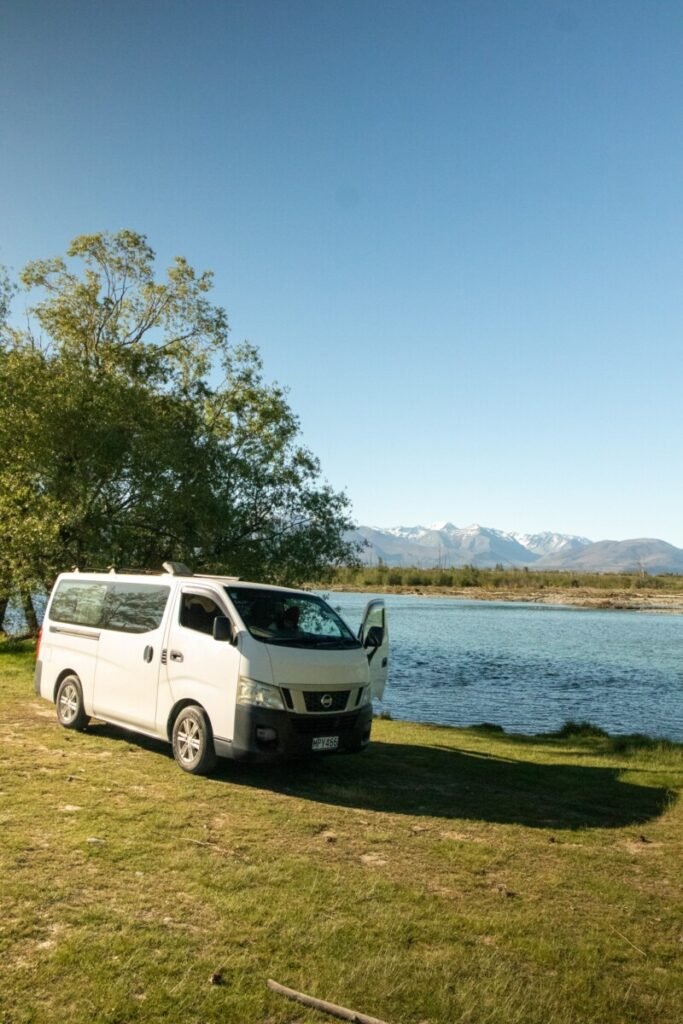
The next best option is just 8 minutes from there, Lake Poaka DOC campsite. The blue lake might not be in front of you here but it is quieter, prettier, and has the Southern Alps as your backdrop. Totally free, with just a dump toilet.
Further away from the Tekapo and Pukaki crowds near Lake Ohau is Round Bush Campsite. This is by far the most beautiful and peaceful campsite we have stayed at. Completely free, only a dump toilet, and surprisingly it does not smell at all.
Queenstown and Otago
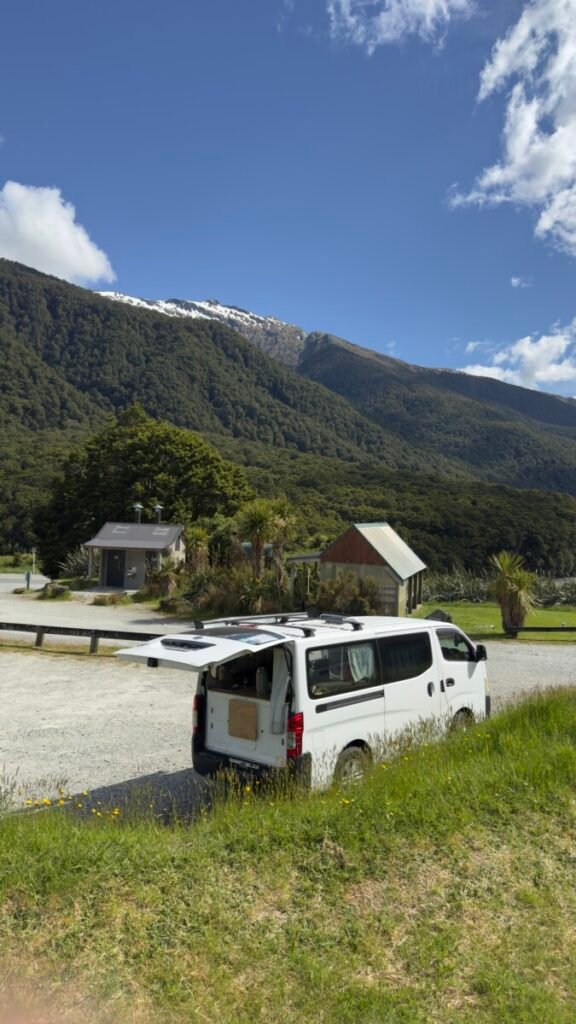
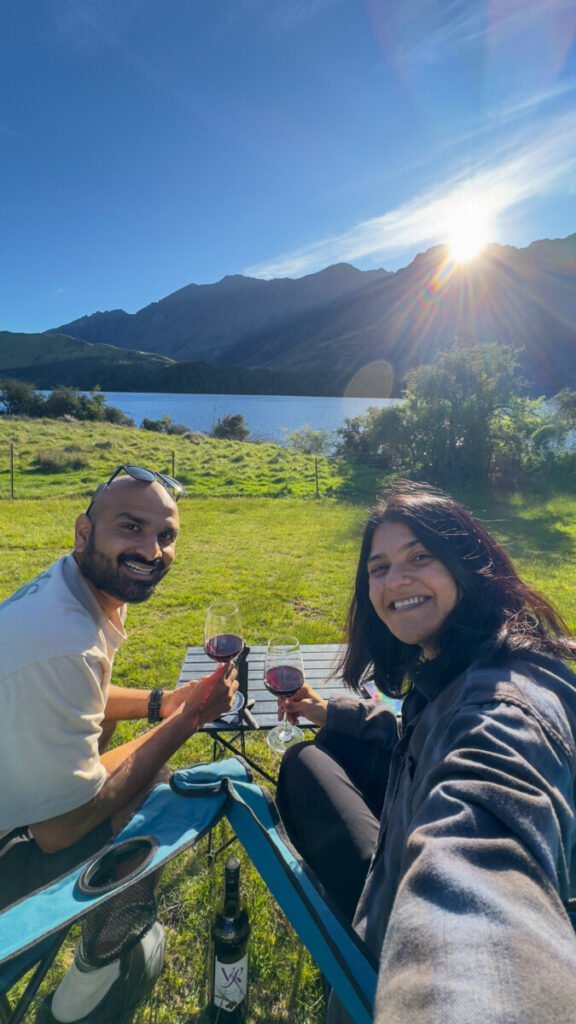
This is a tough area for budget camping. Decent and affordable options are limited but one of our favourites is only 15 minutes from Queenstown CBD, Moke Lake, around $18 per night. This DOC campsite forces you to switch off completely as there is no network connectivity. Flush toilets are available but can be hit or miss, so go in prepared. No other facilities, but the surroundings make up for it.
A couple of other off the beaten path options worth knowing, Champagne Gully Freedom Camping near Alexandra (council owned), and Kidds Bush Reserve Campsite near Lake Hawea at around $15 a night. Both are among our favourites in the wider region.
1:1 Planning Call
Not Sure Where to Start? Let’s Talk.
Book a 60 minute call with us and we will help you plan your New Zealand trip, one on one.
Nelson, Tasman and Marlborough
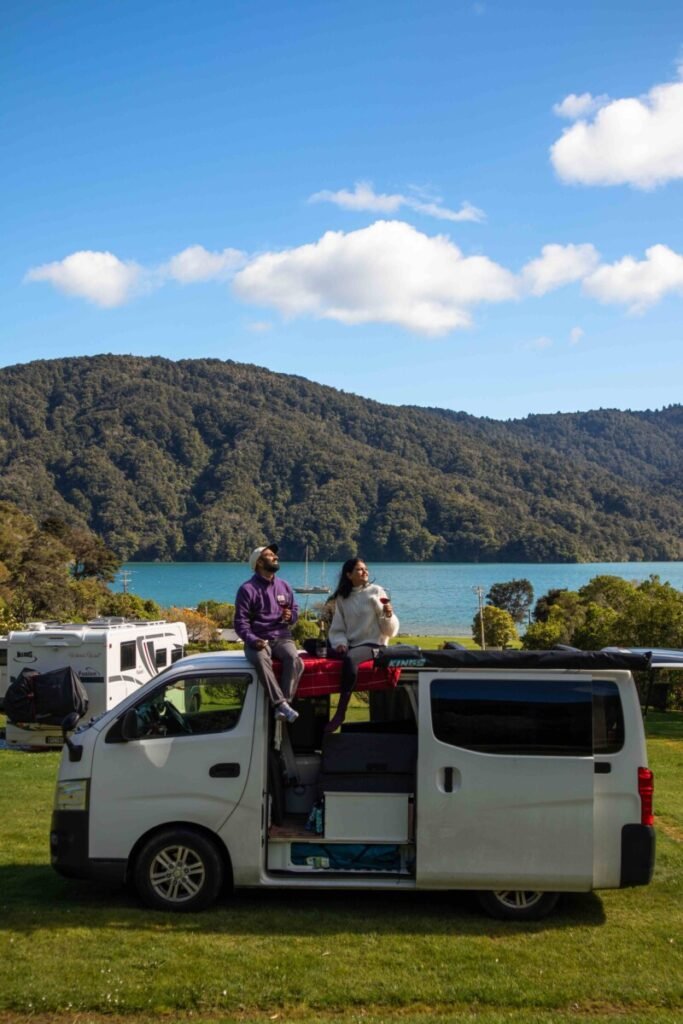
These are some of the most underrated regions in New Zealand. We loved our stay at Momorangi Bay Campsite in Marlborough, one of the most well equipped DOC campsites with a great view.
Pelorus campsite is another good option. The powered sites do not have much of a view but the non-powered sites by the river are stunning.
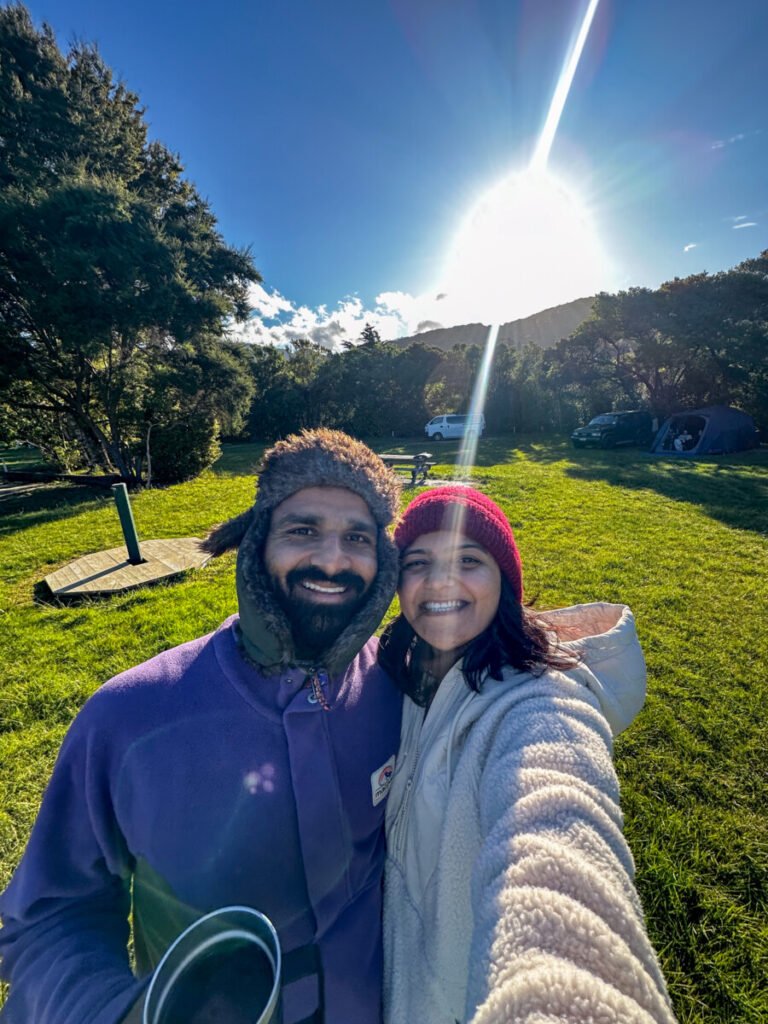
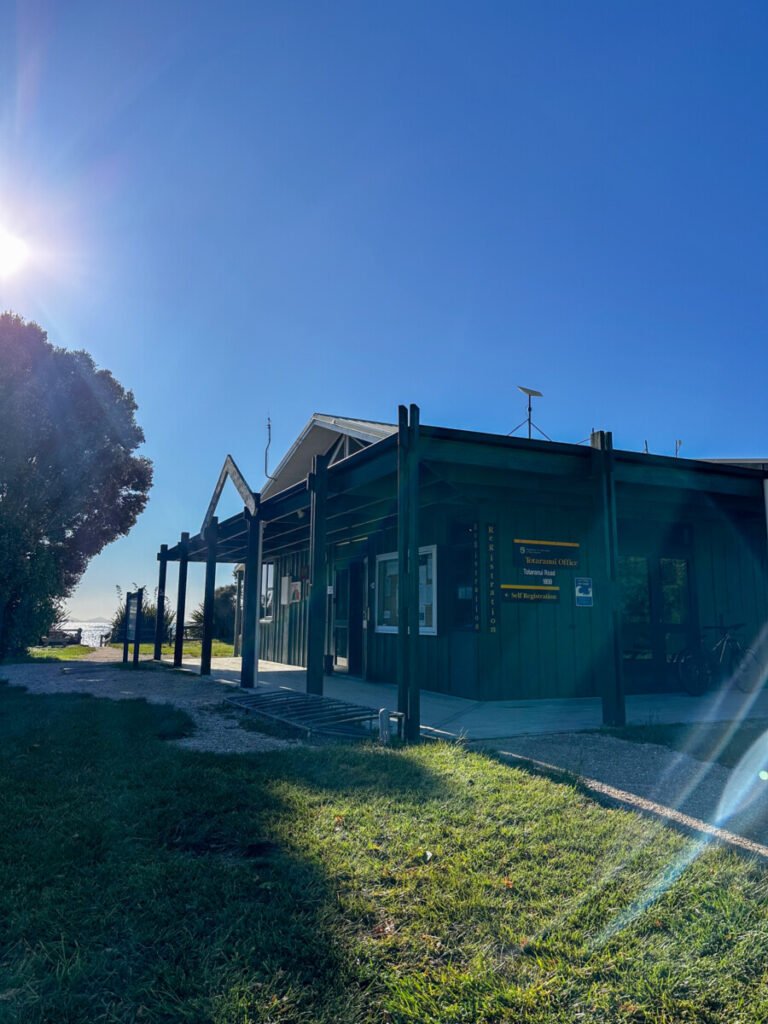
Tōtaranui Campground, at around $18 per person, is a real standout, right on Tōtaranui Beach with golden sand and a beautiful setting. It gets busy around Christmas and public holidays. They have powered and non-powered sites as well as tent sites, plus cold showers and flush toilets.
The Catlins
We did not enjoy camping here as much as other regions, but if we had to choose one, it would be Papatowai DOC Campsite at around $15 per night. It is a little dated but it is where we spent most of our time while exploring the Catlins.
[PHOTO]
Fiordland and Milford Sound
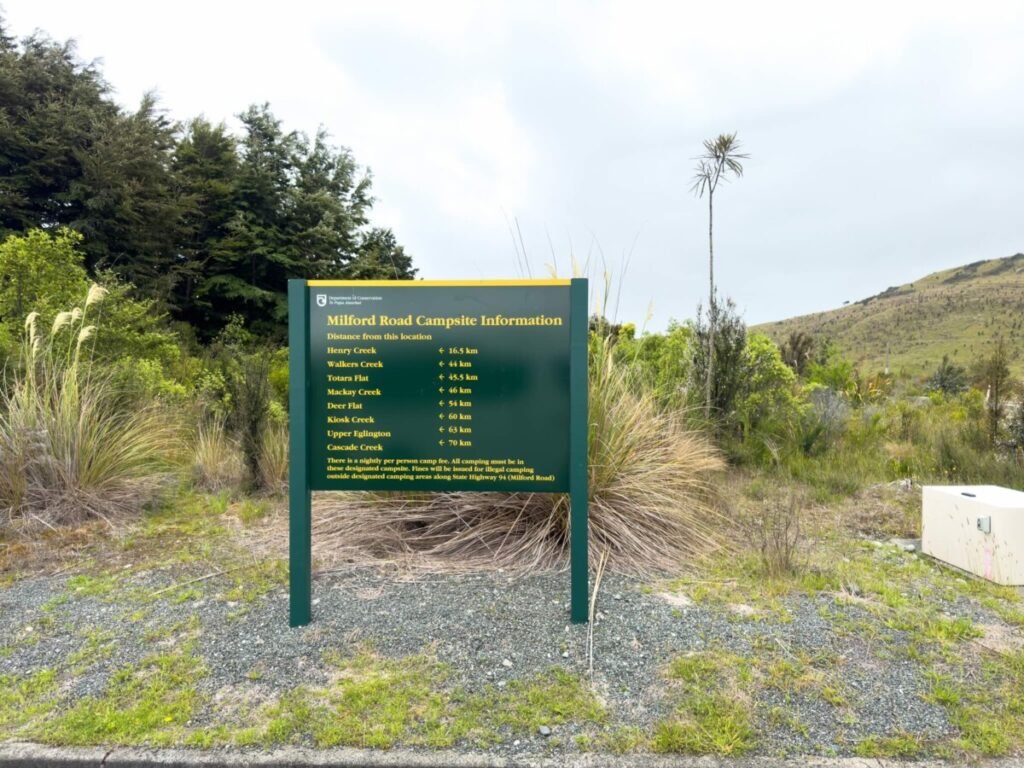
This is one of the most popular regions in New Zealand and surprisingly the DOC sites here are pretty basic. We stayed at Kiosk Creek Campsite, around $18 per night, which gets booked out every night so book ahead. It only has a dump toilet but is close to a large public toilet stop used by tour coaches.
There are other DOC sites in the area but they are all fairly basic. Book ahead wherever you can in this region.
Best DOC Campsites in the North Island
I will be honest, we have mostly travelled the South Island in our campervan so far and are still working to explore the best DOC campsites in the North Island. But we have stayed at a couple of sites worth mentioning.
Just over an hour and a half from Auckland is Uretiti DOC Campsite, right on the beach. The first time we went we did not realise this is one of the rare DOC sites with both cold and hot showers (use coin machines), plus a sink and dump toilet. Being so close to the beach makes it beautiful. The site is a great spot for the sunrise as well.
Comparing motorhome prices before you book? We use Motorhome Republic to check pricing across companies.
If you are planning to hike the Tongariro Crossing, Mangahuia Campsite is a great option nearby. Pretty basic but does the job.
Other Ways to Camp in New Zealand
New Zealand is incredibly campervan friendly, and camping in New Zealand is one of the best ways to see the country. DOC campsites win on location every time, but facilities are limited. If you want a taste of van life with a bit more comfort, or you are comparing the different campsites in New Zealand for campervans, here are the other options worth knowing about.
Holiday Parks
New Zealand has several popular holiday park chains, with Top 10 Holiday Parks being one of the most recognised. It is a network of independently owned Kiwi holiday parks under one shared brand. Tasman Holiday Parks and Hampshire Holiday Parks are also well established across a number of popular regions.
Just like DOC campsites, holiday parks come in different categories, but even the most basic option usually includes a shared kitchen, toilets, and shower facilities. Many also have heated pools, hot tubs, glamping pods, motel units, and chalets.
If you have never camped before, this is where I would start. It is a great entry point into the world of camping in New Zealand.
Private Campgrounds
These sit somewhere between DOC campsites and holiday parks. Similar facilities to holiday parks but family run, so nothing feels corporate. Facilities are modest at best, but you will find these in some of the most off the beaten path locations across the country. More often than not, you end up in a genuine conversation with the owners and sometimes walk away with fresh fruit and veggies from their garden.
Freedom Camping
We have written a full guide on freedom camping in New Zealand which covers exactly how it all works.
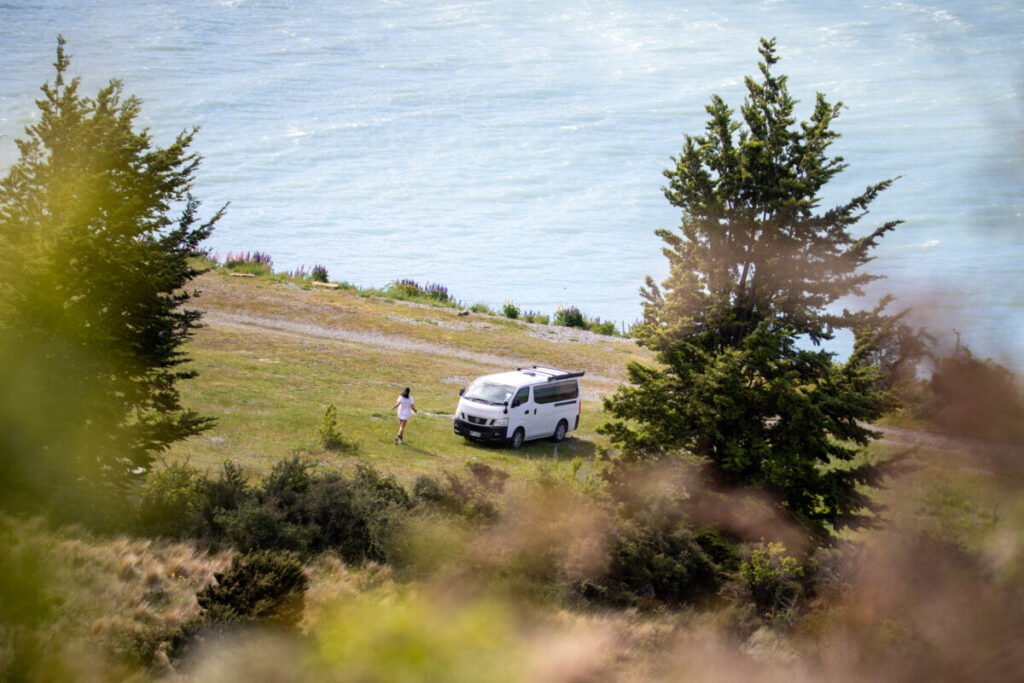
Sometimes you find yourself parked up in a city centre car park, and other times in front of a lake with snow capped mountains in the background. Either way, freedom camping saves a significant amount when you mix it into your travel plans.
If you have stayed at a DOC campsite, I would love to hear about your experience too. It is funny looking back, we had no idea any of these sites even existed until we bought the van and started travelling. I really hope this post gives you a good idea of what is out there and helps you choose the right option next time you are exploring New Zealand in a van.
If you are still figuring out the logistics, our guide to renting a campervan in New Zealand covers everything from costs to choosing the right vehicle. And if freedom camping is part of your plan, our full guide walks you through exactly how it works.
Custom Itinerary
We Can Build Your New Zealand Trip For You
Skip the hours of planning. Tell us how you want to travel and we will hand you a complete, day by day itinerary built just for your trip.