The First-Timer's New Zealand Travel Guide
Built for your first trip here, 10 to 21 days. Ten years living in New Zealand, one of them full time on the road. Real costs, four full day by day itineraries, and every activity worth your time.
What's inside
Everything is clickable. Jump straight to what you need, or read it start to finish.
- Who Wrote This
- New Zealand Basics
- Best Time to Visit
- Transport in New Zealand
- Getting Between the Islands
- Accommodation in New Zealand
- What New Zealand Actually Costs
- Best Places and Must-Do Activities
- Where to Stay, Town by Town
- The Itineraries: 10, 12, 15 and 21 Days
- Apps, Data and Essentials
- Things You Should Know
- Pre-Trip Checklist
- Packing Checklist
This guide is informational. Prices, hours and conditions in New Zealand change, please confirm before you travel. We don't own or operate anything we recommend and aren't liable for it. Our responsibility is limited to what you paid for the guide.
Kia ora, we're Sagar and Ami
We have lived in New Zealand for ten years now, and spent a full year of that on the road full time, in our motorhome, not just weekends away or a couple of trips a year.
Everything in this guide is something we have actually driven, eaten, booked or slept at ourselves. If we think it is overrated, we say so. This is what we would hand a friend before their first trip here.
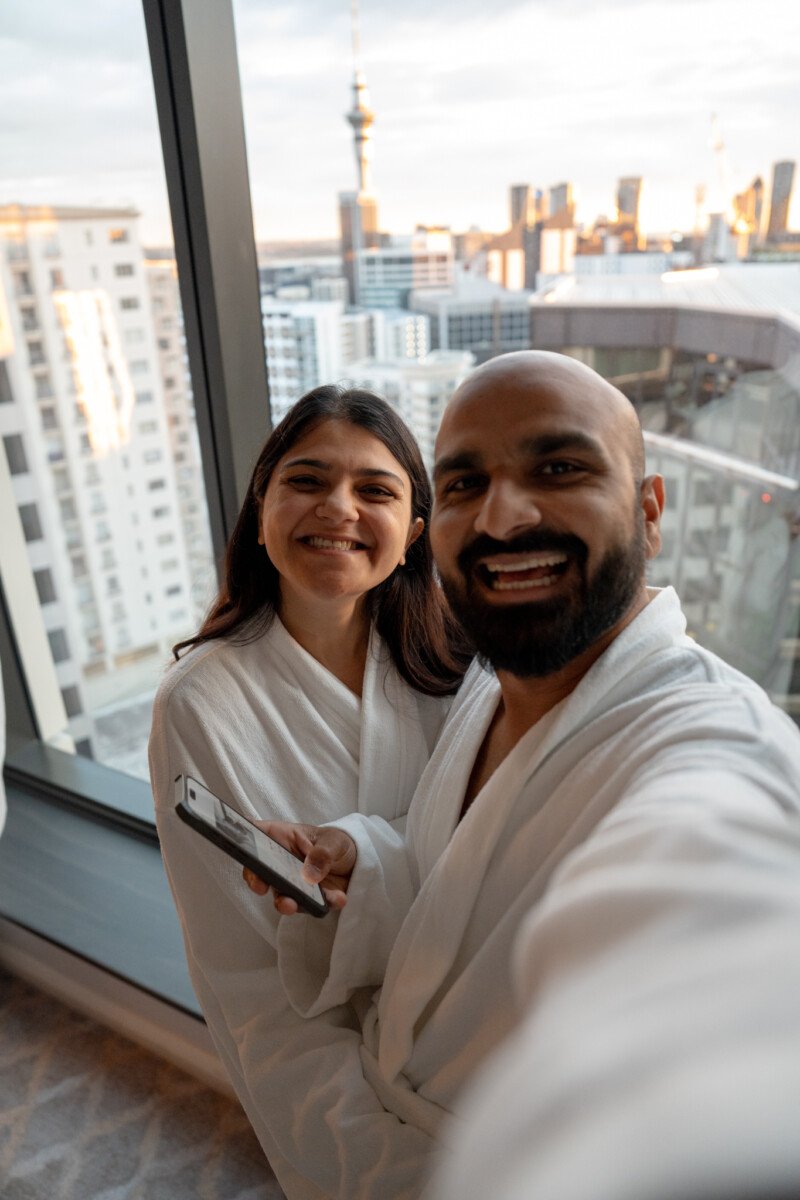
New Zealand Basics
Three islands, and for a first trip you are really choosing between two of them. Here is what each one actually gives you.
Culture and geothermal
Maori culture, geysers and hot springs, Hobbiton and the Waitomo caves. Warmer and greener, and the landscape works quietly in the background rather than hitting you in the face.
The dramatic one
Snow-capped mountains, glacier-fed lakes, Milford Sound and Queenstown. This is the New Zealand most people picture before they arrive, and it is where the driving itself becomes the experience.
Save it for next time
Remote, beautiful, and needs 4 to 5 extra days to do properly. Not one for a first trip. Skip it and put those days into the South Island instead.
Best Time to Visit
There is no bad time to come, only different trade-offs between crowds, cost and daylight.
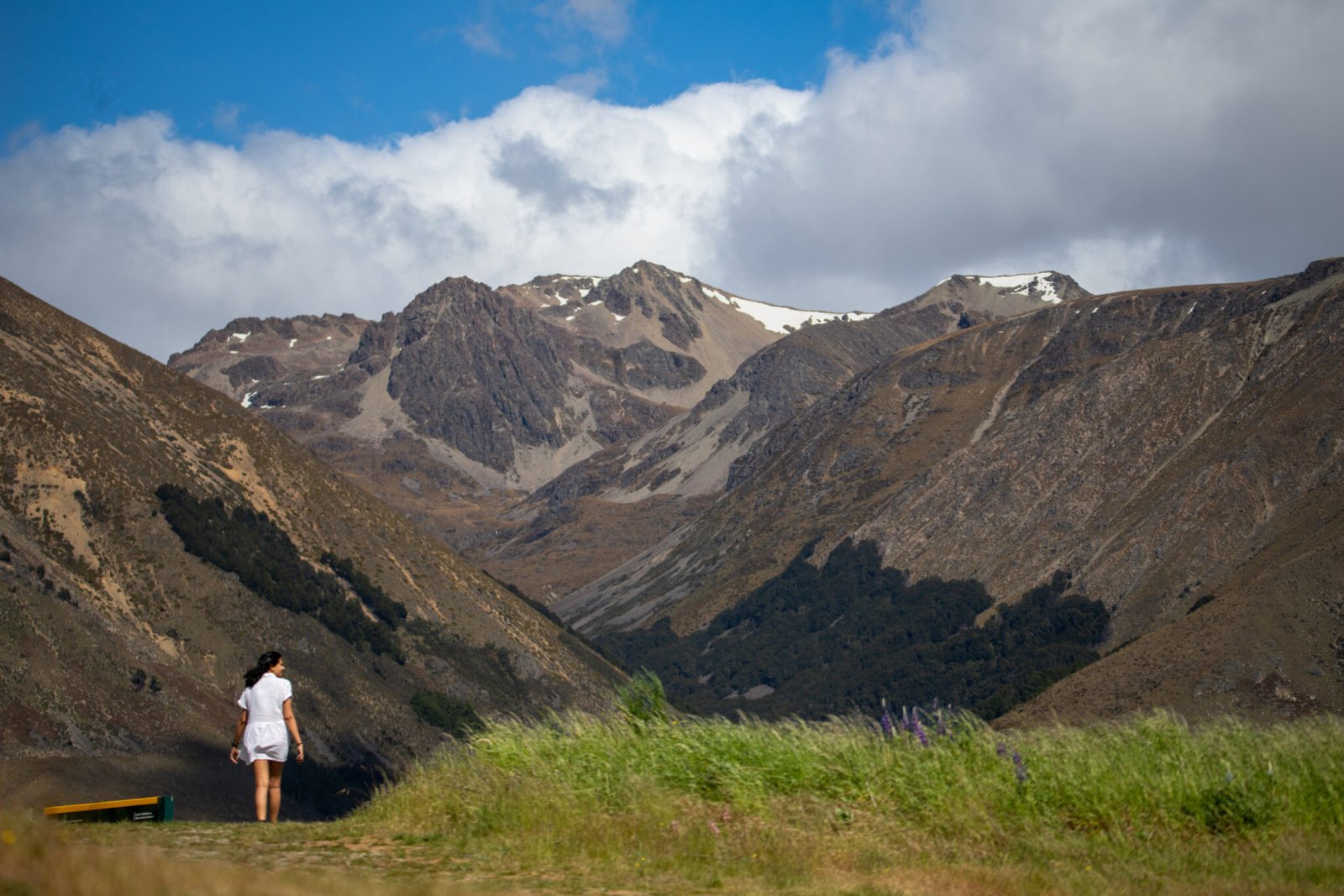
Summer
- Peak season, biggest crowds
- Long days, hot afternoons
- Highest prices, book early
- Come before 15 Dec for summer weather with fewer people
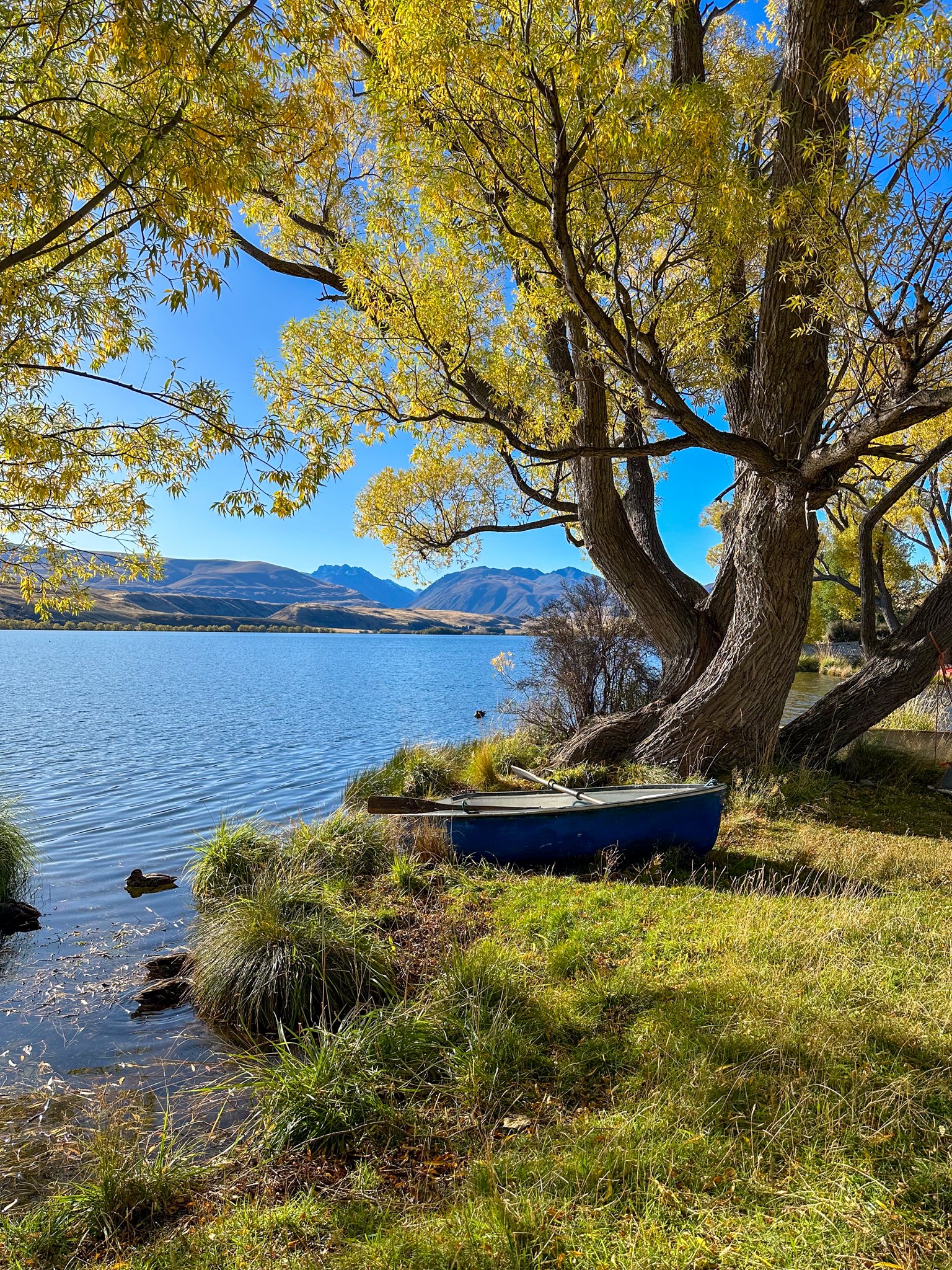
Autumn
- Fewer crowds, mild temperatures
- Much cheaper accommodation
- Central Otago autumn colours in April are stunning
- Best overall balance of weather and value
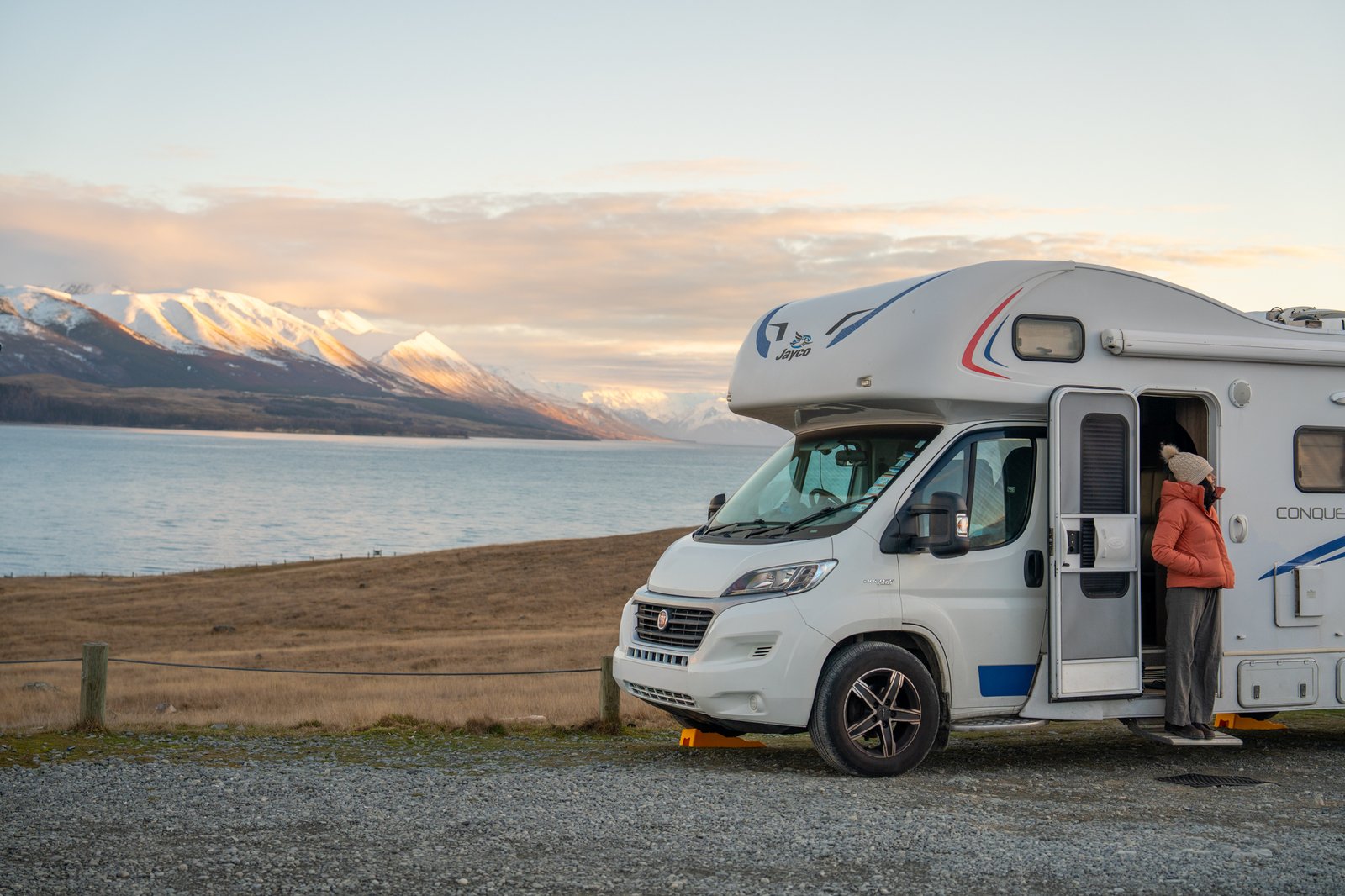
Winter
- Cheapest prices overall
- Best for skiing in Queenstown and Wanaka
- Short daylight hours
- More rain on the West Coast
Spring
- Skip September, the weather through Otago is genuinely unpredictable
- October and November are the sweet spot for budget and weather
- Green landscapes and lambs everywhere
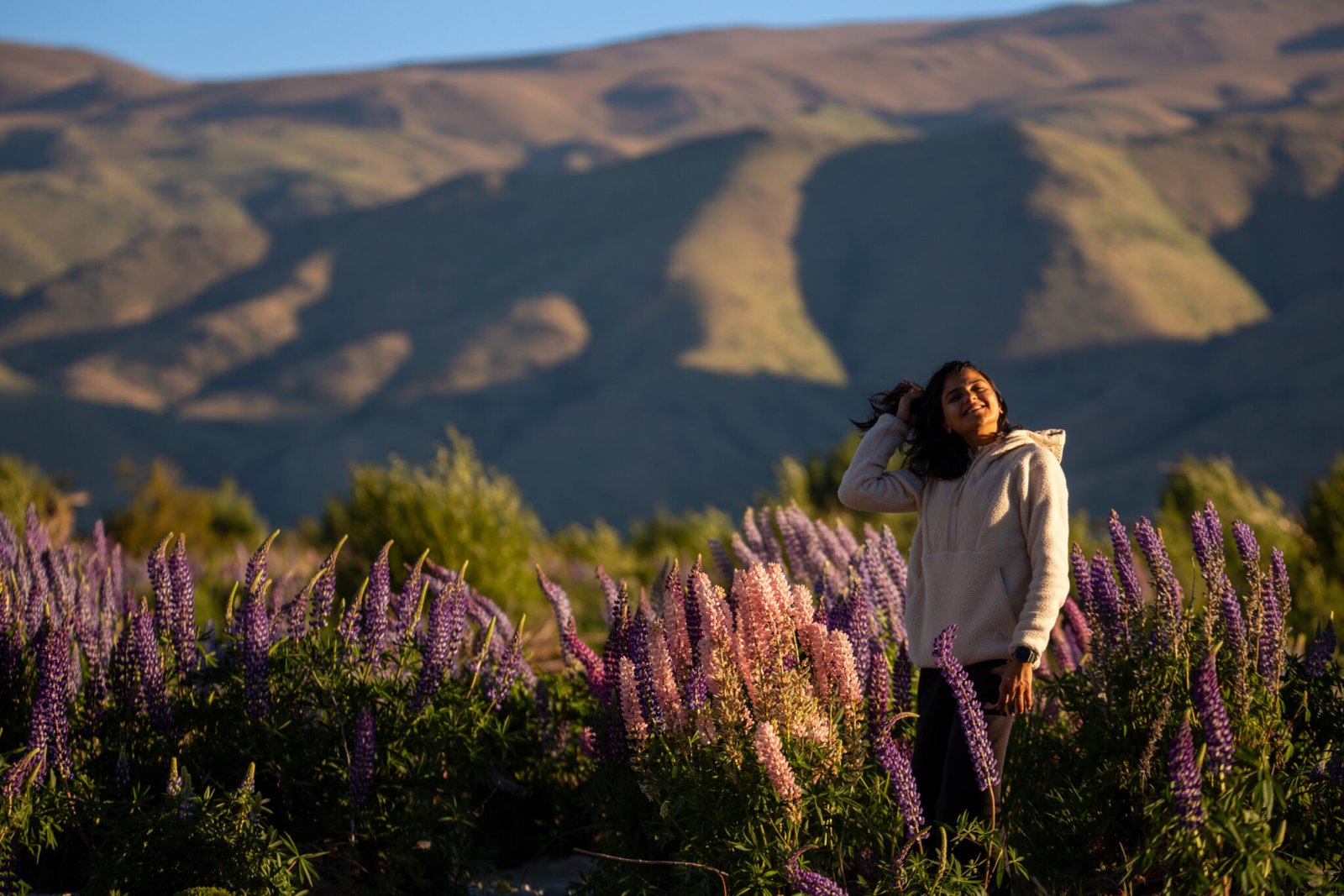
- Lupins from late November
Christmas and New Year
If you are coming between mid December and mid January, plan at least six months ahead. This is when New Zealanders take their own summer holiday, so you are competing with the entire country, not just other tourists.
The good accommodation goes first, and anything with a view goes fastest. Waterfront and lakefront properties get expensive and then simply stop being available. Cruises, heli flights and the popular day tours book out too, which means you can end up with a trip where the accommodation works but nothing you actually wanted to do has space left.
If you cannot book that far ahead, come in late November or February instead. You get most of the same weather without any of the scramble.
New Zealand school holidays
New Zealand schools run four terms, so there are three term breaks through the year plus the long summer break. During those weeks the roads, holiday parks and family attractions fill with domestic travellers, and prices move with them.
2026 breaks
- 3 April to 19 April
- 4 July to 19 July
- 26 September to 11 October
- Summer break from no later than 19 December
2027 breaks
- 10 April to 26 April
- 3 July to 18 July
- 25 September to 10 October
- Summer break from around 18 December into late January
Individual schools can shift the start of Term 1 and the end of Term 4 by a few days, but the three term breaks are set nationally. They move slightly each year, so check the official Ministry of Education dates for your travel year before you lock anything in.
Transport in New Zealand
New Zealand does not have reliable public transport outside the cities. You need your own wheels. Here is how to choose, and who we trust.
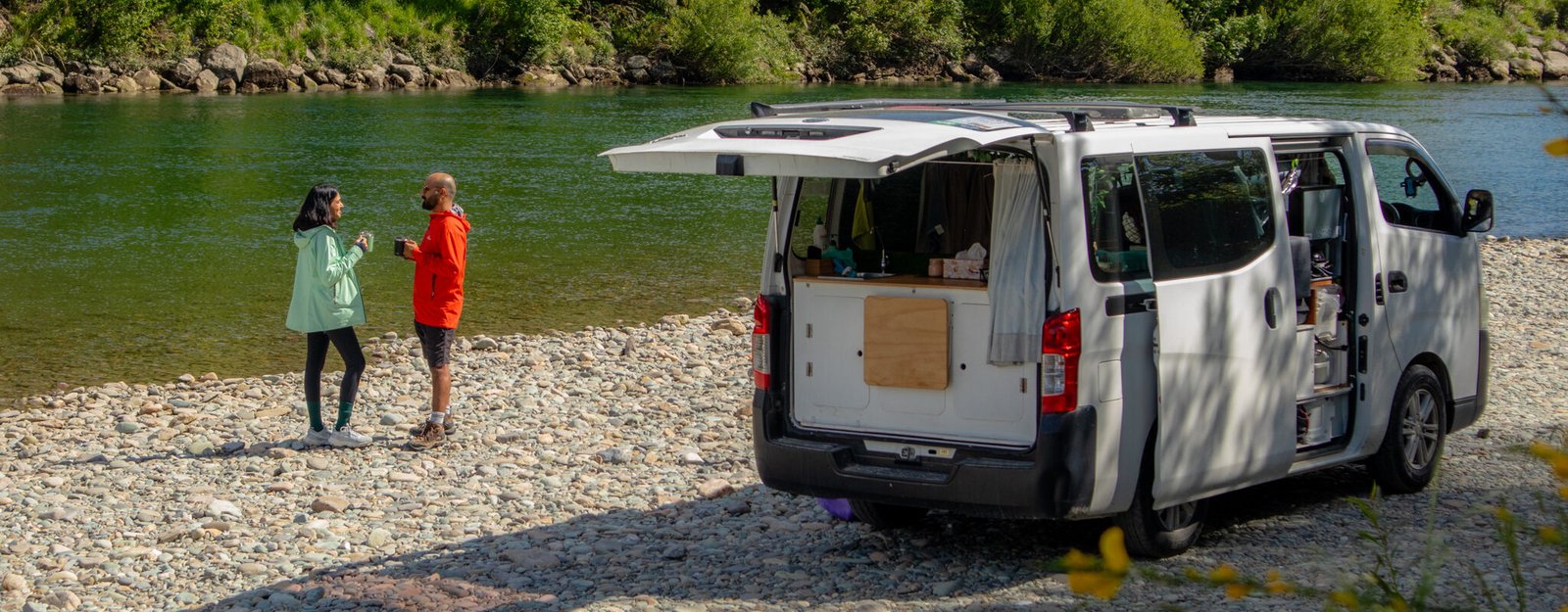
Campervan
- Freedom to stop at any sunrise spot
- Saves on accommodation costs
- Best for trips of 10 days or more
- Needs a self-contained certificate for freedom camping
Rental Car
- Easier to drive and park in cities
- More flexibility on where you sleep
- Better for short trips of 7 to 10 days
- Works well for South Island fly-drive trips
Campervan rental, all budgets
| Budget | Company | Why | |
|---|---|---|---|
| Budget | Stylish, compact, great for couples | Book | |
| Budget | Backpacker favourite, reliable | Book | |
| Budget | Well known, easy to book, nationwide | Book | |
| Mid range | Boutique, beautifully fitted out | Book | |
| Premium | Large, fully self-contained, luxury finish | Book | |
| All budgets | Compares every motorhome company in one search | Book |
Rental cars
Compares every rental company in New Zealand in one search rather than checking each one separately. Easiest way to find out what a car actually costs on your dates before you commit to a campervan. We have partnered with Discover Cars, so booking through our link gets you better rates than going direct.
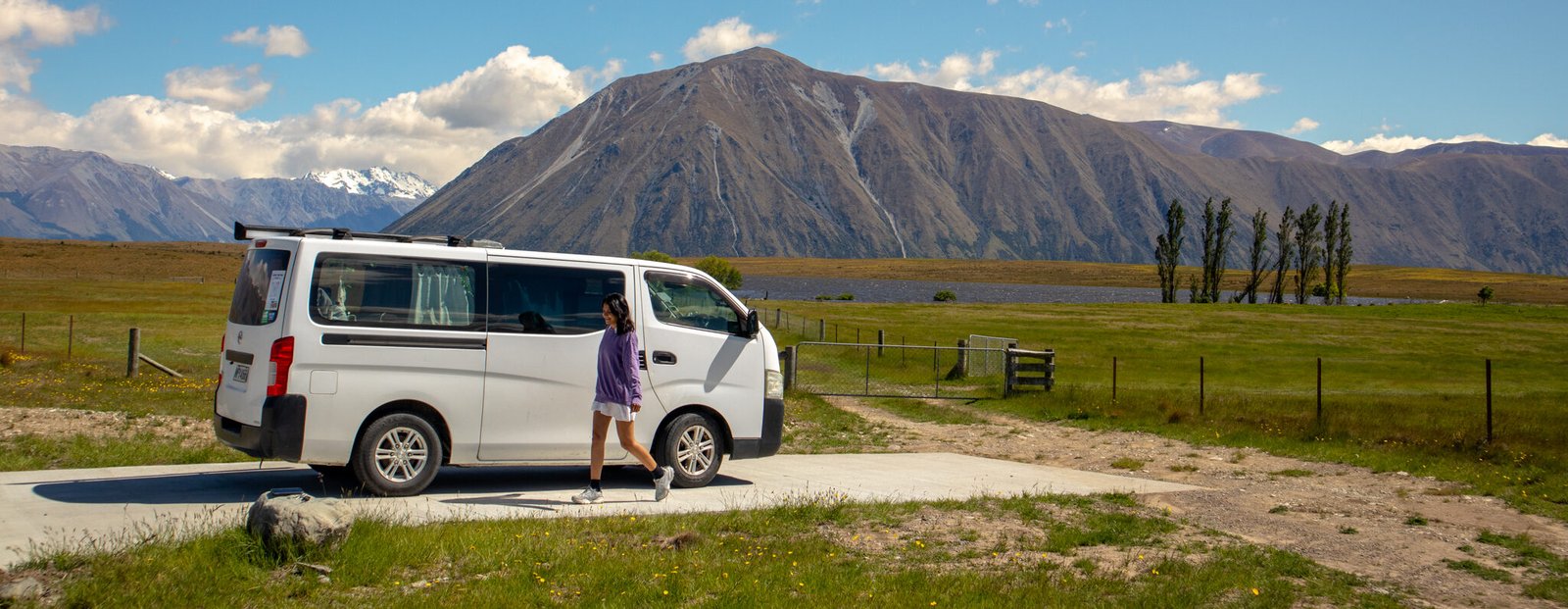
Wander Bee on Camplify
We list our own van on Camplify when we are not using it. We have driven it thousands of kilometres across New Zealand and we know it works. Use our code for $50 NZD off your booking.
Public transport and the InterCity bus
Within a city, it can work
Each city runs its own network. In Auckland you do not need an AT HOP card, a contactless debit or credit card taps on and off at the adult fare, on buses, trains and most ferries. The exception is the Fullers360 Waiheke ferry, which needs its own ticket.
Queenstown is different. The Orbus network takes a Bee Card or cash only, a bank card will not work at all, so budget a few dollars in cash or grab a Bee Card at the airport if you are relying on the airport bus.
InterCity, for travelling between towns
InterCity runs the biggest coach network in the country, reaches far more towns than you would expect, has wifi on board, and is genuinely the cheapest way to cover long distances if you are not driving. The catch is reliability. We have heard mixed reports of last minute cancellations, and seats on popular routes can sell out well ahead, so it is not something to plan around if your schedule is tight.
If you are on a strict budget and comfortable with some uncertainty, it is a solid option. If you have activities booked around a fixed arrival time, we would drive or fly instead.
Getting Between the Islands
The Cook Strait ferry connects Wellington on the North Island to Picton on the South Island. It takes around 3.5 hours and runs through the Marlborough Sounds, which is genuinely one of the best parts of the journey.
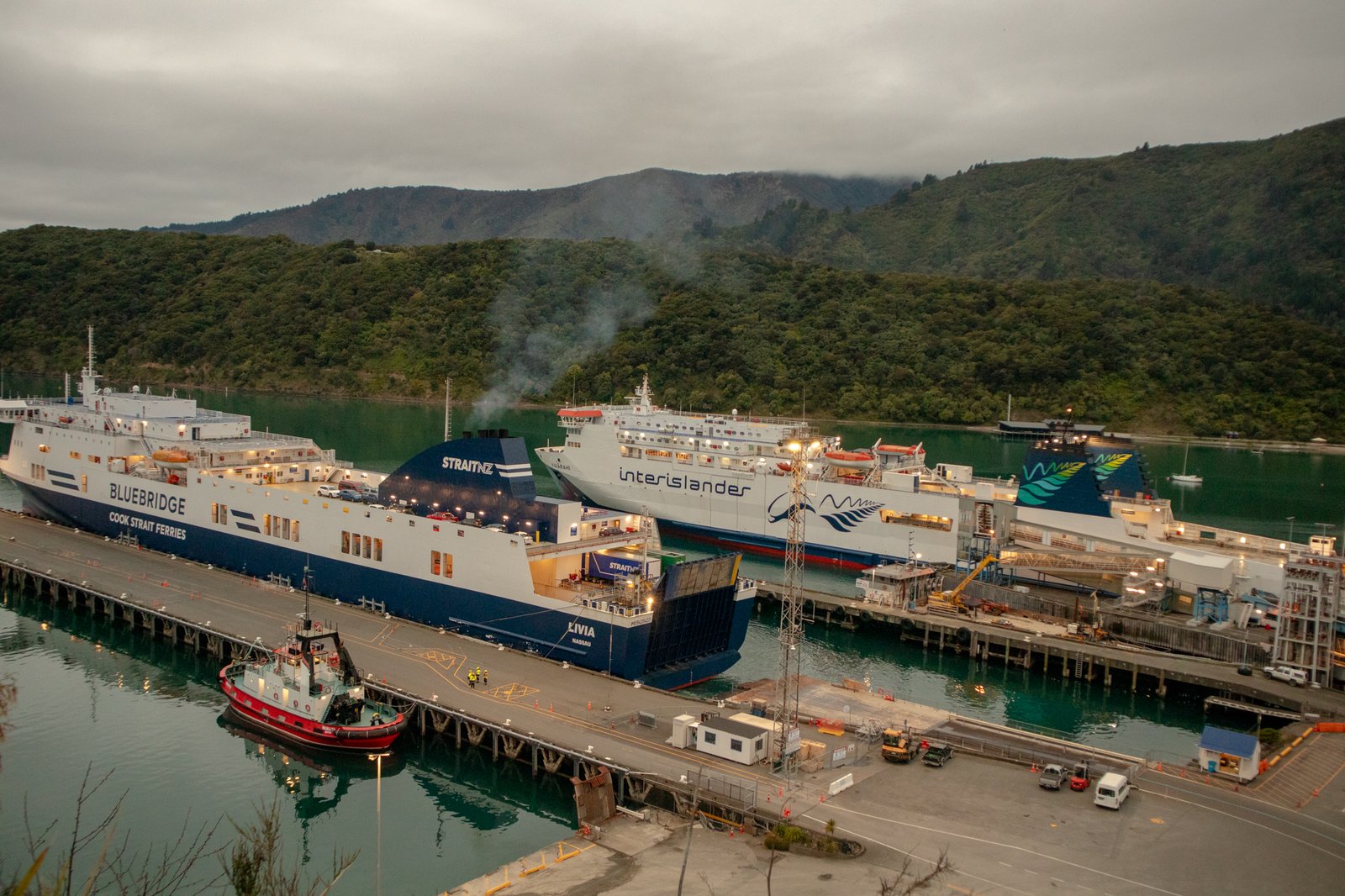
Bluebridge
The larger vessel of the two, with more space on board. Often cheaper as well, so it is worth comparing before you book anything.
Interislander
The better known operator, and TOP 10 members get a discount on any fare type. If you are buying a TOP 10 membership anyway, book this one and use the promo code from your member dashboard. Sailings fill fast in summer, so book as far ahead as you can.
Compare both in one place
Direct Ferries is the only platform that shows Bluebridge and Interislander side by side on the same dates, so you can see the real price difference rather than opening two tabs.
Accommodation in New Zealand
New Zealand has everything from free roadside camping to world class luxury lodges. Here is the ladder, and here is how not to overpay on it.
| Type | Cost per night | Best for |
|---|---|---|
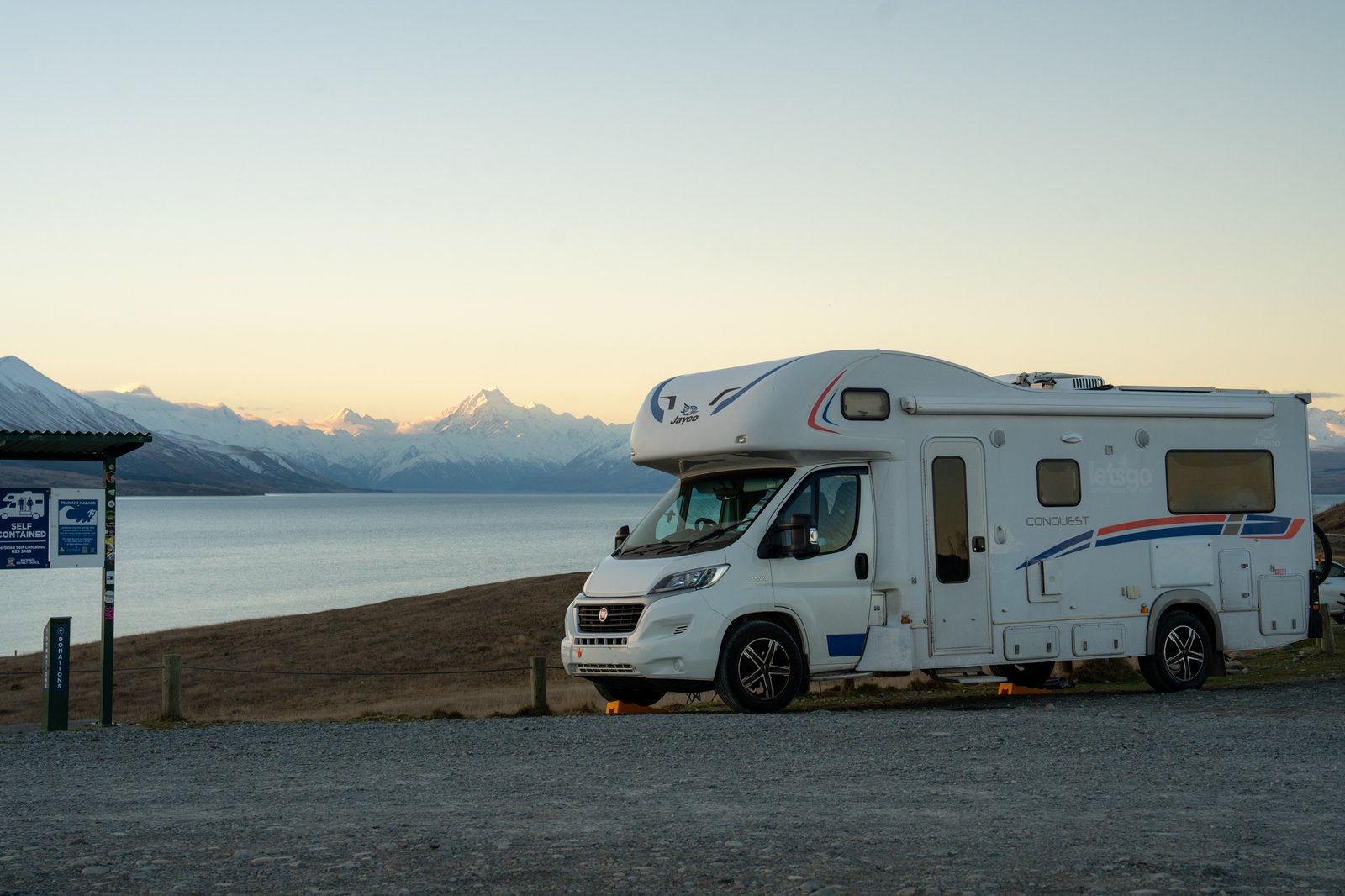
| Freedom camping | Free | Self-contained campervans, adventurous travellers |
| DOC basic sites | $0 to $15 | Anyone with a tent or van in stunning remote locations |
| DOC standard or premium | $15 to $35 | Better facilities, toilets, sometimes showers |
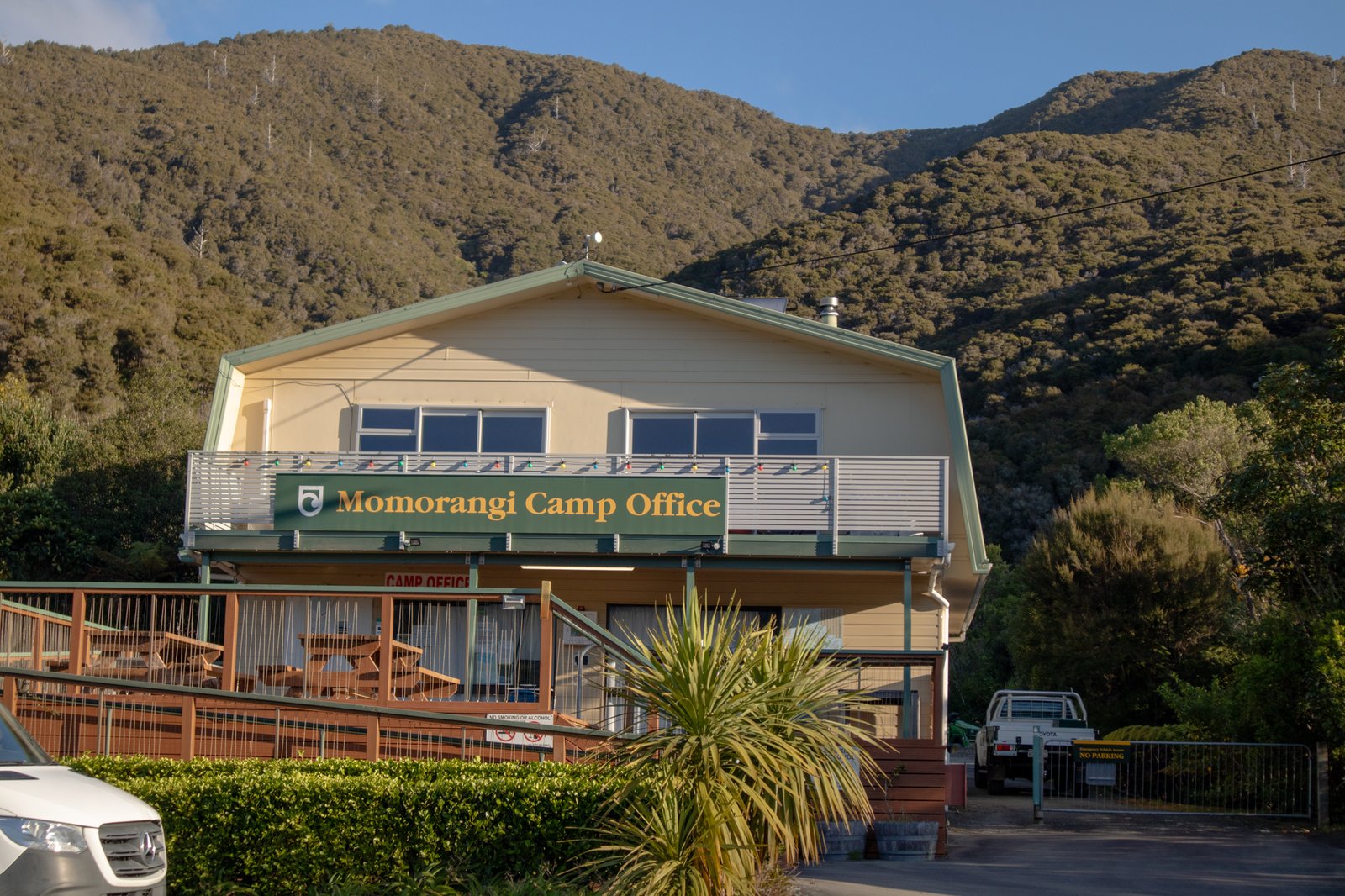
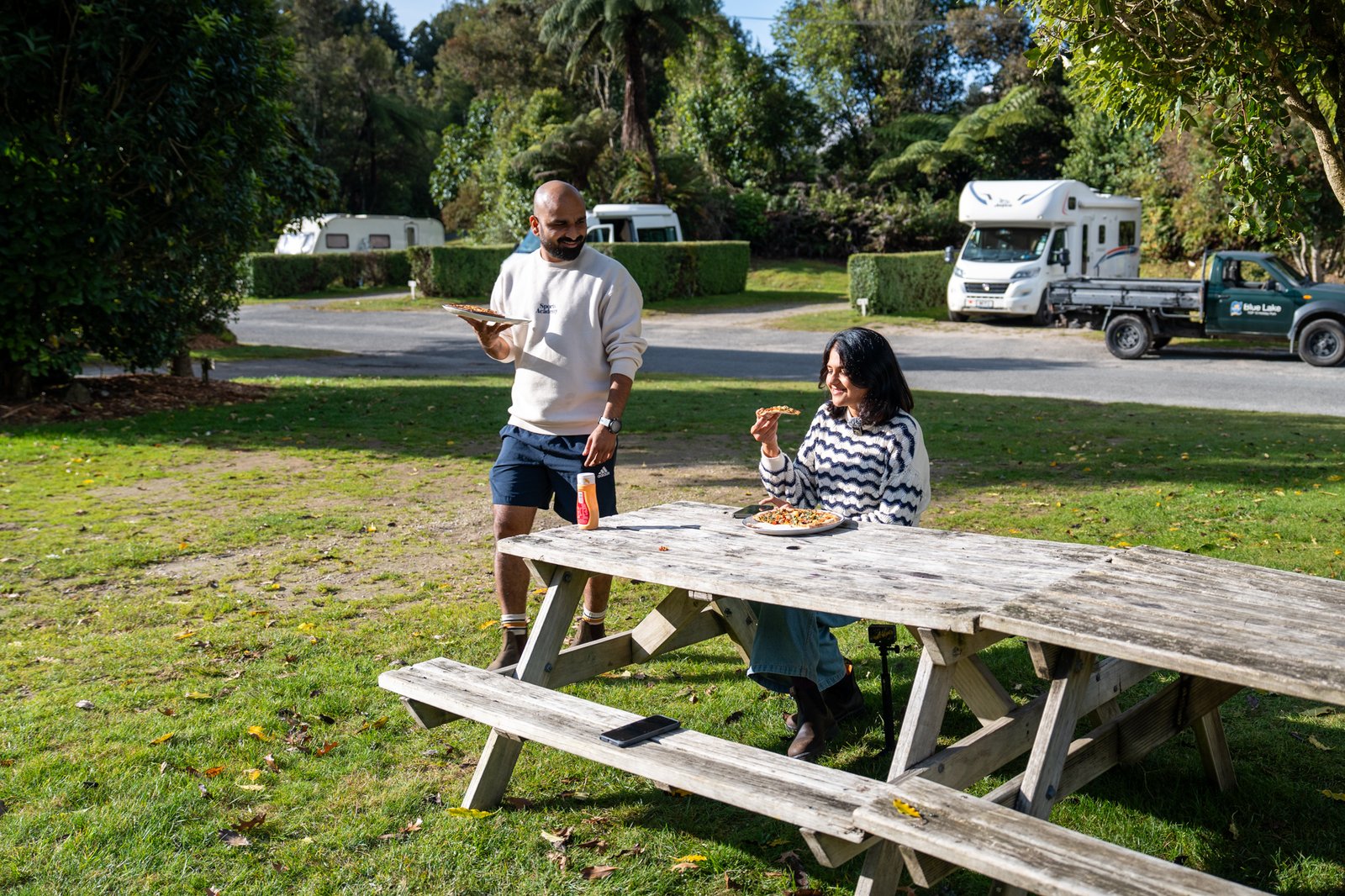
| Holiday park powered site | $25 to $80 | Campervan travellers wanting full facilities |
| Holiday park cabin | $80 to $150 | Budget travellers wanting a real bed indoors |
| Hostel dorm | $30 to $60 | Solo travellers and backpackers |
| Airbnb or hotel | $120 to $400+ | Comfort seekers and couples |
Hotels, Airbnbs and everything in between
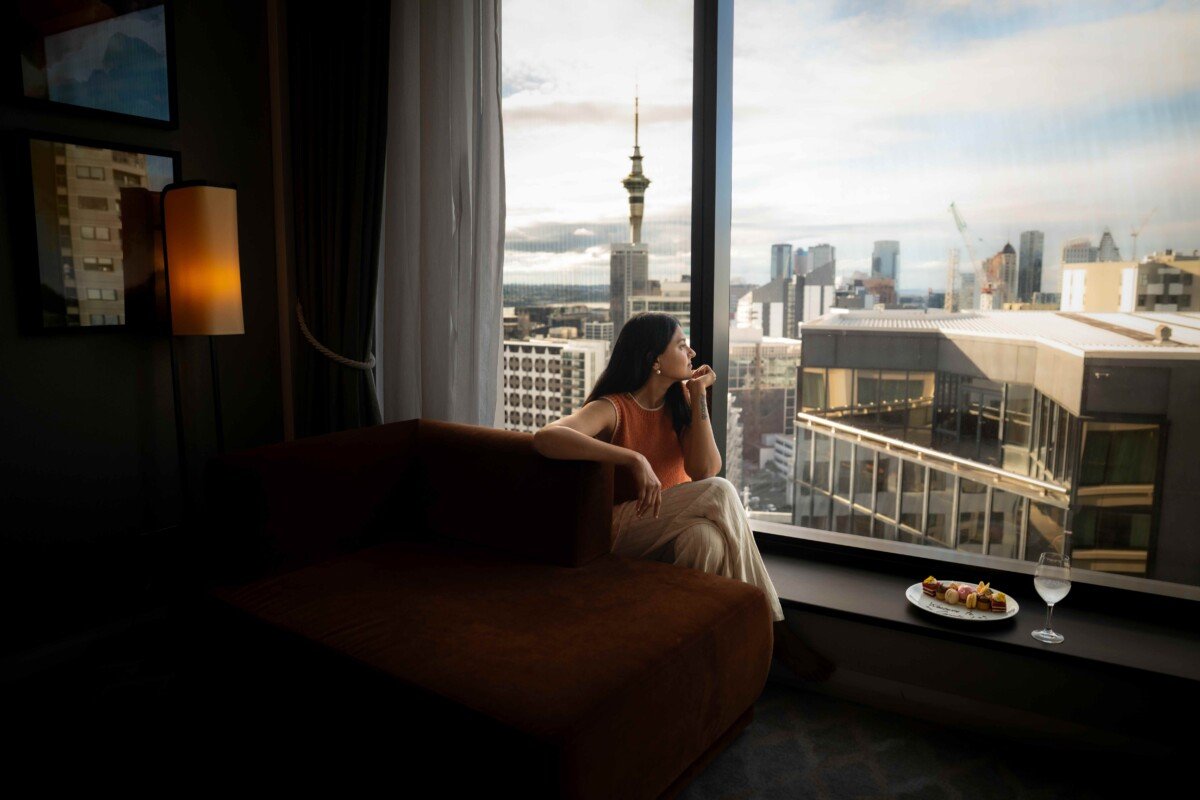
Airbnb cleaning fees have pushed prices up a lot and they now often land close to hotel rates, so always check both. If you want something with character, Airbnb and Booking.com both list cabins, tiny homes and farm stays that are worth looking at over a standard hotel room.
Our real tip is to stay one suburb out rather than dead central. In Queenstown, Frankton or Jack's Point puts you minutes from the airport and the lake for a fraction of the central price. In Christchurch, Riccarton or Addington gives you the same, close to the airport, easy parking, and far cheaper than a room in the central city. You are not driving an hour to save money, you are just not paying the postcode premium.
DOC campsites, the best kept secret
Department of Conservation campsites are some of the most beautiful camping spots on earth. They sit inside national parks and reserves where you simply cannot stay any other way. We have woken up to some of the most insane views of our lives at DOC sites.
- 200+ campsites across New Zealand, free to $35 per night
- Book through the DOC website in peak season
- Full guide with our top picks on the blog
Freedom camping rules
- Your vehicle must have a valid self-contained certificate, check this when renting
- Use CamperMate or WikiCamps NZ to find legal spots near you
- Queenstown has tightened its rules recently, always check the local council website
- Most sites allow 1 to 3 nights maximum, and always have 3 backup spots ready
What New Zealand Actually Costs
We have lived in New Zealand for ten years, and spent a full year of that on the road full time. These are real numbers, not estimates from someone who stayed in hotels and called it travel.
Daily budget per person
| Style | Daily NZD | How |
|---|---|---|
| Ultra budget | $30 to $60 | Freedom camping, self-cook, free walks and beaches |
| Mid range, our style | $100 to $200 | DOC or holiday parks, some paid activities, mostly self-cook |
| Comfortable | $200 to $350 | Mix of hotels, paid tours and eating out most meals |
| Premium | $350+ | Hotels, luxury lodges, guided experiences, fine dining |
Transport
- Campervan shoulder season: $100 to $200 per day
- Campervan peak summer: $200 to $600 per day
- Fuel at 200 to 300km per day: $30 to $80
- Island ferry: $200 to $450+ one way
Accommodation
- Freedom camping: free
- Basic DOC: $0 to $15 per night
- Holiday park powered: $25 to $80 per night
- Hotel or Airbnb: $120 to $400+ per night
Food
- Self-cook from Pak'nSave: $10 to $20 per person per day
- Mid-range restaurant: $30 to $40 per person per meal
- Fine dining: $60 to $80+ per person
- Cafe coffee: $5 to $7
Activities
- Major experiences: $150 to $400
- Day entry fees: $0 to $40
- Great Walks: $30 to $80 per night
- Photo or video add-ons: $50 to $300 extra
How to eat well without overspending
Four things do most of the work here. Get these on your phone before you land.
- Plan your shops around Pak'nSave, it is consistently the cheapest
- Grocer compares prices across towns before you stock up
- First Table gets you 50% off at genuinely good restaurants if you eat early
- Foodprint sells discounted leftover food from cafes and bakeries at the end of the day
- Holiday park kitchens are free to use, cook real meals rather than just snacks
- Stock up before entering remote areas like the West Coast or Fiordland
Best Places and Must-Do Activities
Region by region, only the things we have actually done. What is worth it, what most people miss, and where to book the big ones. Each region has the standard stops first, then an "if you have more time" block for when you want to go a bit further than everyone else.
Every activity, one map
Filter by region, tap a pin, book straight through. Free stops just show the name.
AucklandNorth Island

Sky Tower
We did the SkyJump off the Sky Tower, scary but the best adrenaline rush with a 360 view of Auckland to match, the kind of thing that can set the tone for your whole trip. If you want it easier there is the SkyWalk, or you can skip both and just ride up for the view, and Mount Eden gives you the same view for free if you have got a car.
Waiheke Island
We did the half day tour with Waiheke Wine Tours, three wineries including two of the oldest and most beautiful we have been to, plus lunch at a seaside restaurant, all included in the price. It is one of the best day trips out of Auckland. The ferry from downtown takes 40 minutes, and if you would rather do it independently, the hop-on hop-off bus loops the wineries, beaches and villages so you can get off wherever looks good.
Auckland harbour
A harbour cruise is the easy way to see the city from the water if you have got a spare half day and do not fancy another walk. Mission Bay is the free version of the same idea, a flat waterfront afternoon with the city behind you.
If you have more time: the west coast
This is the part of Auckland almost every first timer drives straight past, and it is under an hour from the city. Black sand, cliffs and proper surf, and it feels nothing like the CBD you just left.
Piha for the black sand and Lion Rock, the best known of the four. Karekare Falls just south of it, quieter, with the waterfall a short walk from the car park. Mercer Bay Loop for a clifftop walk with some of the best coastal views in the region. Muriwai for the gannet colony, at its best when the birds are nesting, though parts of the track have been closed on and off for slip repairs, check the Auckland Council update page before you drive out.
Give this a half day at minimum. It is 45 minutes to an hour of driving each way, the roads are winding, and there is very little phone signal once you are out there. The west coast beaches also have strong rips, so only swim between the flags when the surf clubs are patrolling.
CoromandelNorth Island
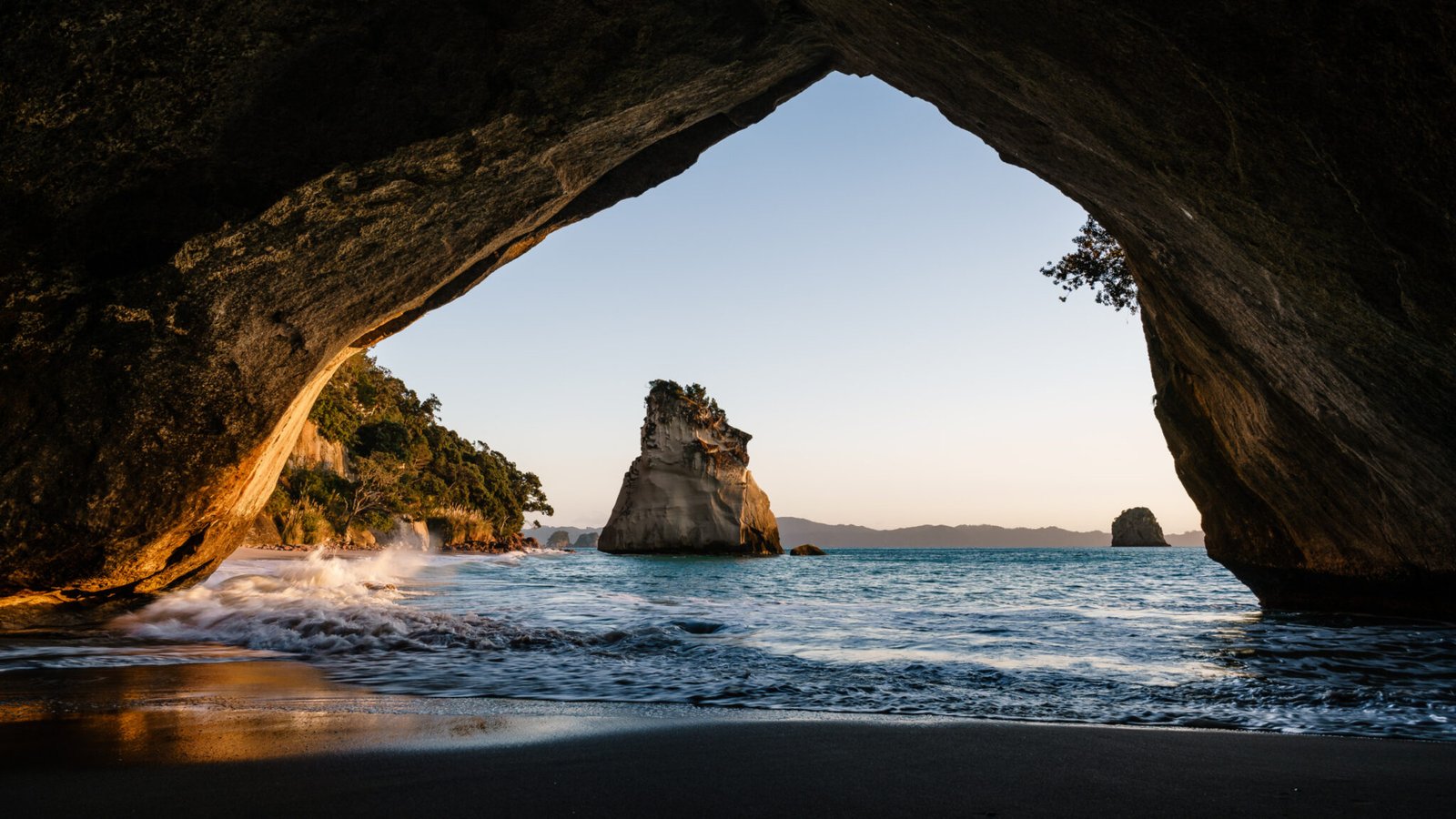
Cathedral Cove
Cathedral Cove is the big one, and if you want it without the crowds, go early morning or you will be sharing that arch with a few hundred other people.
Hot Water Beach
Hot Water Beach only works about two hours either side of low tide, dig your own spa pool in the sand and you have got a free hot pool with a view of the ocean.
Coromandel Town
Coromandel Town itself is worth a slow afternoon, small enough to walk end to end, good coffee, and a proper break from the driving. Driving Creek Railway starts here, a narrow gauge train that climbs through regenerating native bush to a lookout over the harbour.
If you have more time
New Chums Beach. Reached on foot only, about 30 minutes over the headland from Whangapoua, and there is nothing there when you arrive, no shops, no toilets, no road. That is the whole point of it. Check the tide before you set off, the first crossing is easier at low tide.
The Pinnacles. The big hike of the peninsula, up through the Kauaeranga Valley on old kauri logging tracks. Most people do it as an overnight with a stay in the hut, which needs booking, but it can be done in a long day if you start early.
Karangahake Gorge. Old gold mining tunnels, swing bridges and a walkway through a river gorge, and it sits right on the drive between the Coromandel and the Bay of Plenty, so it costs you almost nothing in detour. Take a torch, the main tunnel is properly dark.
The other beaches. Hahei, Cooks Beach and Whangamata if you want a swim without the Cathedral Cove crowd.
Rotorua and WaitomoNorth Island
Wai-O-Tapu
Wai-O-Tapu is our favourite geothermal park, Lady Knox Geyser, Champagne Pool, Blue and Green Lake, all in one walk. The geyser goes off in the morning, so time your arrival around that rather than turning up mid afternoon.
Natural hot spa
Kerosene Creek is free and completely natural, it is the kind of stop that relaxes you and resets you for the rest of the trip. It is easy to drive straight past if you are not watching for the turnoff. Waikite Valley Hot Pools only takes campervans overnight, stay there and you get the pools to yourself early morning before the day trippers show up.
Te Waihou Walkway, the Blue Spring
Some of the clearest water you will ever see, filtered underground for up to 100 years before it surfaces. The walk in from Leslie Road is flat and takes about 15 minutes, and the further along you go the bluer it gets. Time it between 11am and 2pm when the sun is overhead, that is when the colour really shows. You cannot swim at the main spring, but you can further downstream. It sits neatly on the drive between Auckland and Rotorua.
Kaituna River
If you are into white water rafting, do the Kaituna, it drops you over Tutea Falls, the highest commercially rafted waterfall in the world at seven metres. Velocity Valley is right there too if you want more adrenaline packed into the same day, we have done Vertigo and Freefall Xtreme and both deliver, and zorbing is the easier add if you want something the whole group can do.
Mitai Village
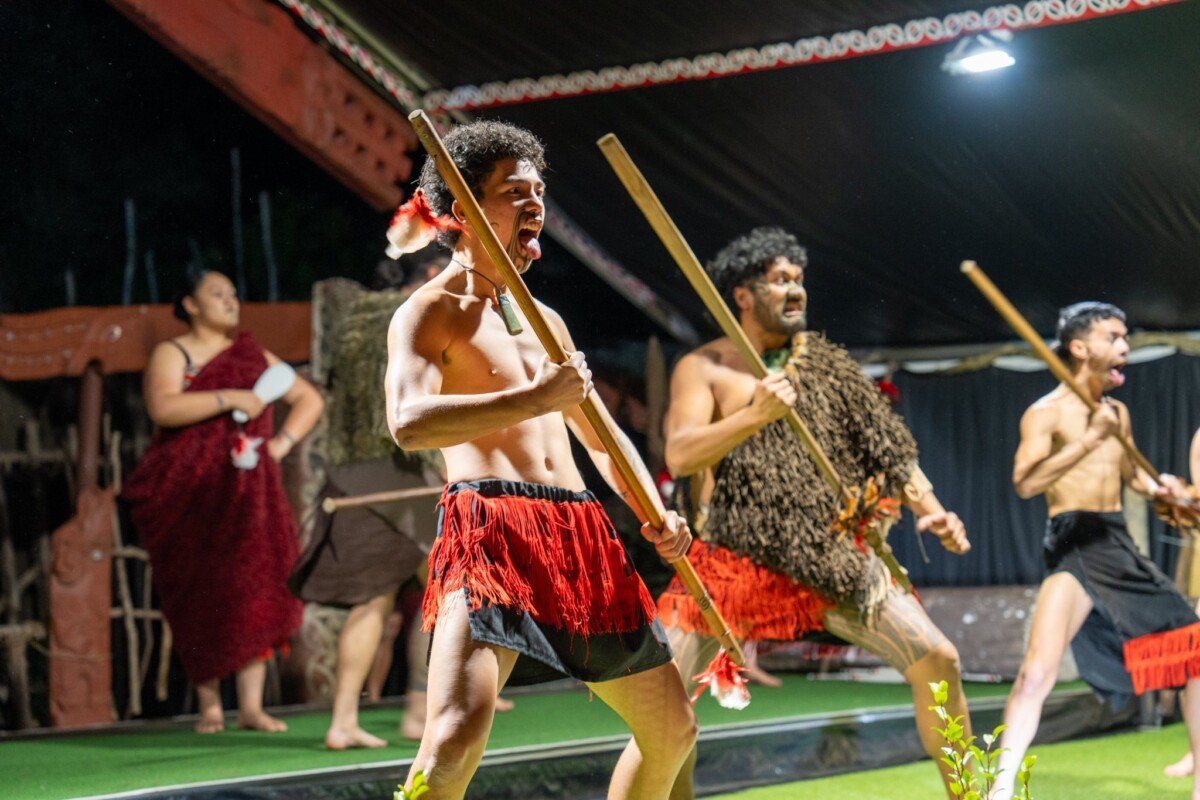
For Maori culture we did the Mitai Village, hangi, haka, the full experience. We went specifically because our guide from the Mount Tarawera hike was performing there, and that tells you something about the people involved, many of them live and breathe this culture every day rather than putting on a show. They do a glowworm walk at the end which we did not spot any on, but that is not really why you go. Book ahead in peak season.
Waitomo
Waitomo has three options. The easy boat tour where they do everything for you. Black water rafting through the main caves. Or The Waitomo Experience, which we would rank in our top three activities in New Zealand. They are the only operator in the Okohua cave, groups are capped at six, and you float down an underground river on a tube with thousands of glowworms above you before finishing in a cedar hot tub. If you want to jump off a cliff inside the cave you can, and if you would rather not, that is completely fine. They are giving our readers 10% off.
Hobbiton
Unpopular opinion, if you are not a Lord of the Rings fan skip Hobbiton and spend that extra day in the South Island instead. If you are a fan, it is worth every minute. Book well ahead, it sells out weeks in advance in summer.
Redwoods Treewalk
An easy one to slot into a half day, and the night version with the lanterns is the better of the two if you can time it.
If you have more time: Mount Tarawera
A hike with culture built into it, and one of the best we have done in New Zealand. It is guided only, you cannot access the mountain without the local iwi, which is exactly what makes it worth doing. Give it a full day.
TaupoNorth Island
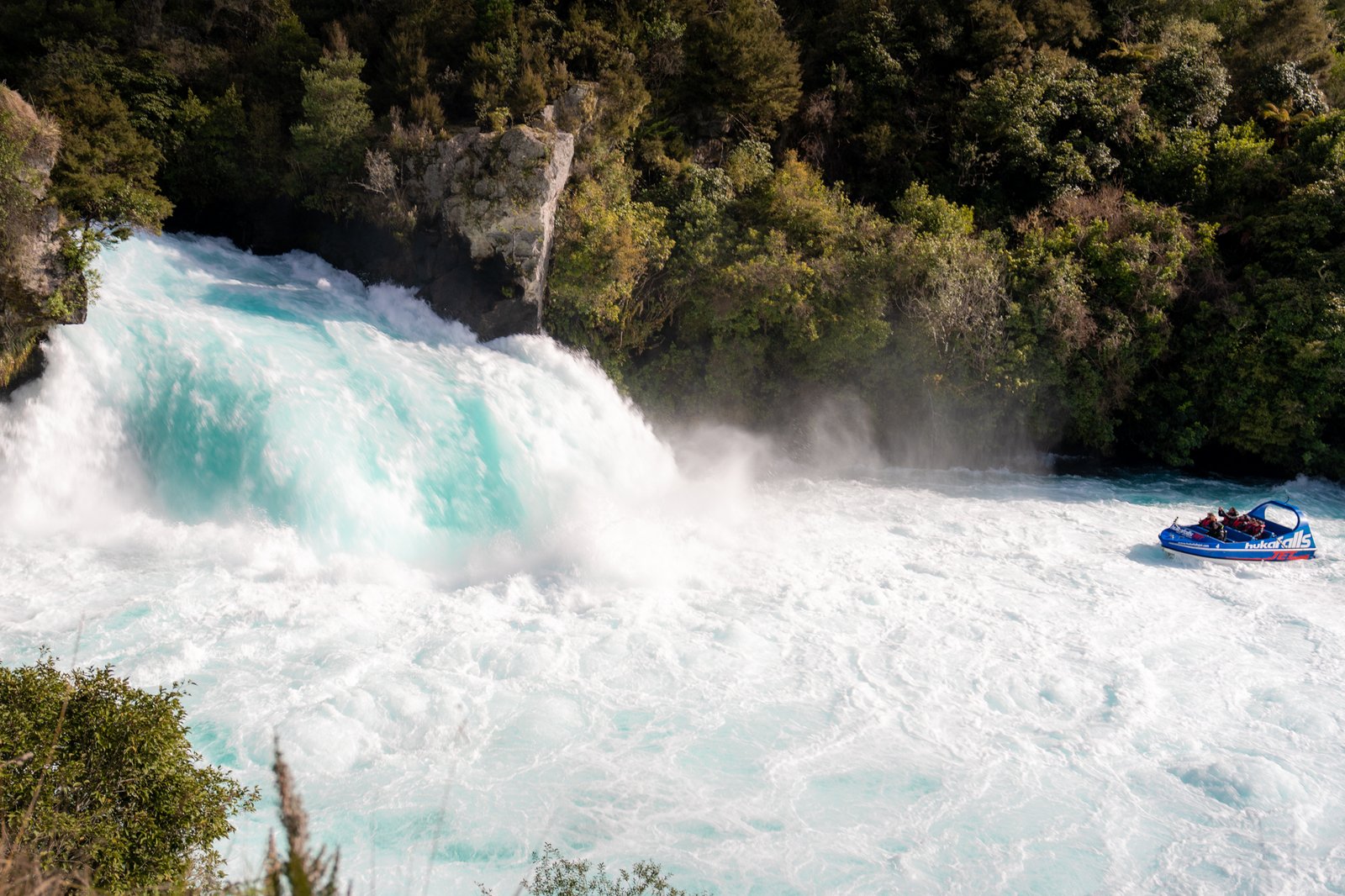
Huka Falls Jet
Huka Falls Jet gets you right up close to the falls at speed, one of the better jet boat rides in the country and a good warm up if Shotover is still ahead of you on your route.
Skydive Taupo
If you want the bigger rush, Skydive Taupo drops you over the lake with the volcanoes in view the whole way down.
Huka Falls and Craters of the Moon
Huka Falls is free and takes ten minutes, the whole Waikato River squeezed through a narrow rock channel at a ridiculous rate. Walk the track above it rather than just standing at the first viewpoint. Craters of the Moon is the geothermal walkway just up the road, steam vents and craters on a boardwalk loop, cheaper and far quieter than the big Rotorua parks, and a good option if you are not doing Wai-O-Tapu.
Aratiatia Rapids
A dam that opens its gates on a set schedule a few times a day, and the dry gorge below fills with water in minutes. It is free, it takes about half an hour, and it only works if you turn up for a release, so check the day's times before you drive out. There are two viewing platforms, the lower one is the better of the two.
If you have more time
Otumuheke Stream at Spa Thermal Park. A free natural hot stream running into the cold river, and one of the better free soaks in the North Island. Bring jandals, the path down is rough.
The Maori rock carvings at Mine Bay. Over ten metres tall, carved in the 1970s, and only reachable by boat or kayak, which is what makes seeing them feel like something.
Tongariro Alpine Crossing. The big one, 19.4km one way, so you need a shuttle at both ends and it has to be booked. It is a full and genuinely demanding day, and it closes in bad weather, so build in a spare day if this is why you are here.
The McDonald's with a plane in it
For something completely different, there is a McDonald's in Taupo with an actual decommissioned DC-3 parked next to it, and you eat sitting inside the cabin with the original cockpit visible behind glass. It sounds like a gimmick until you are actually in there, worth the five minute detour.
WellingtonNorth Island
Only really on the 21 day route
Wellington only shows up if you are doing the full loop and crossing the Cook Strait by ferry. If you are flying between the islands on the shorter itineraries, you can skip this section entirely, there is nothing here you would detour for on its own.
Te Papa
New Zealand's national museum, and free to get in. Worth two to three hours if you want to do it properly, the Maori and natural history floors especially. A sensible way to fill the afternoon before an evening ferry or a morning sailing the next day.
The cable car
A short ride up from the CBD to the Botanic Garden, with a proper harbour view at the top. Walk back down through the gardens rather than taking the cable car both ways.
The ferry terminal
If you are catching the Cook Strait ferry to Picton, the terminal is a short drive from the CBD, not walkable with luggage. Check in times are stricter than they look on the ticket, arrive earlier than you think you need to, especially with a campervan.
KaikouraSouth Island, Canterbury
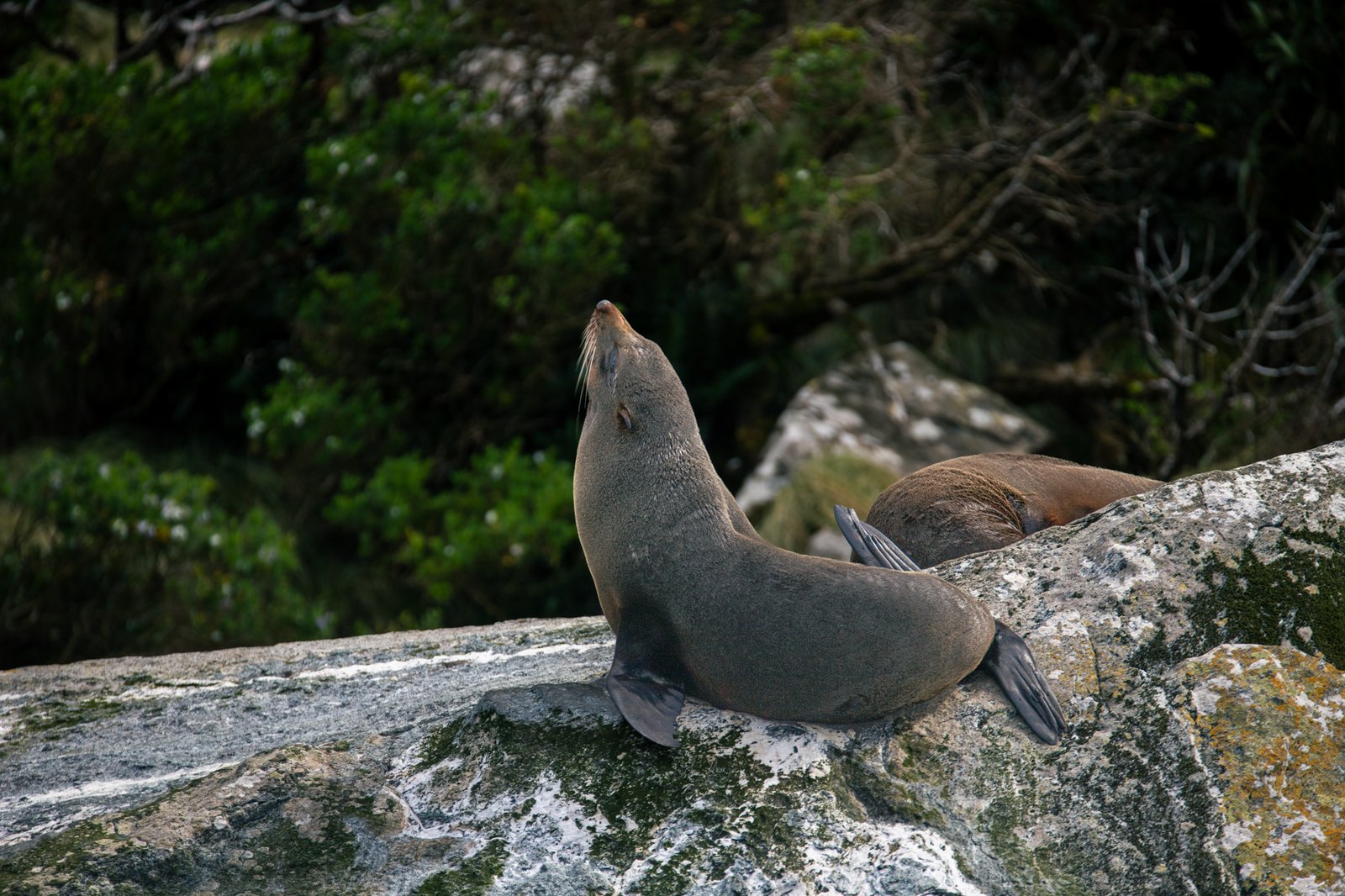
Whale watching and the peninsula
Kaikoura is where you go whale watching, hugely popular but weather dependent so build in flexibility. Do the peninsula walk too, or head to Ohau Point for free seals and pups. Ohau Point is 25km further north than the town, so factor in the extra drive, and the pups are in the stream from around May to September.
The Peninsula Walkway and Point Kean
The Peninsula Walkway is the best free thing in Kaikoura. Clifftop the whole way with the mountains behind you and the sea below, and the full loop takes two to three hours, though you can walk a section and turn back. Point Kean sits at the start of it, and there is a seal colony right there at the car park, no boat, no ticket. Stay well back and never get between a seal and the water, they move faster than they look.
If you have more time
Swimming with dusky dolphins. Wild pods, not an enclosure, and Kaikoura is one of the few places in the world you can do it. Weather dependent like everything else here.
Albatross tours. A shorter boat trip than the whale watch and worth it if you have any interest in birds. These things are enormous up close.
Mount Fyffe. If you want to earn a view, the track climbs steeply to a lookout over the whole coastline and the Seaward Kaikouras.
ChristchurchSouth Island, Canterbury
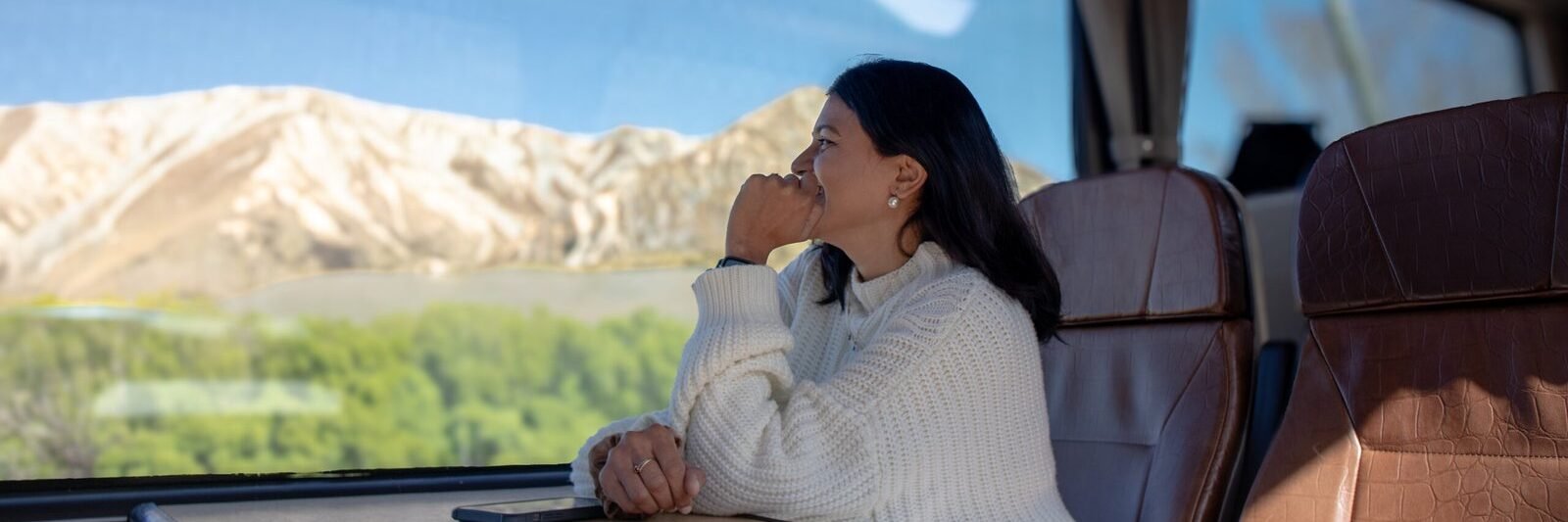
The city and the train in
Christchurch is worth more than a drive through, hop on the tram through the city centre, and the International Antarctic Centre is worth the stop too if you have got time. If you are coming from the West Coast, the TranzAlpine Train is the way to get here, we rate it as worth doing for the scenery without driving it yourself.
West Coast, Franz Josef and Fox GlacierSouth Island
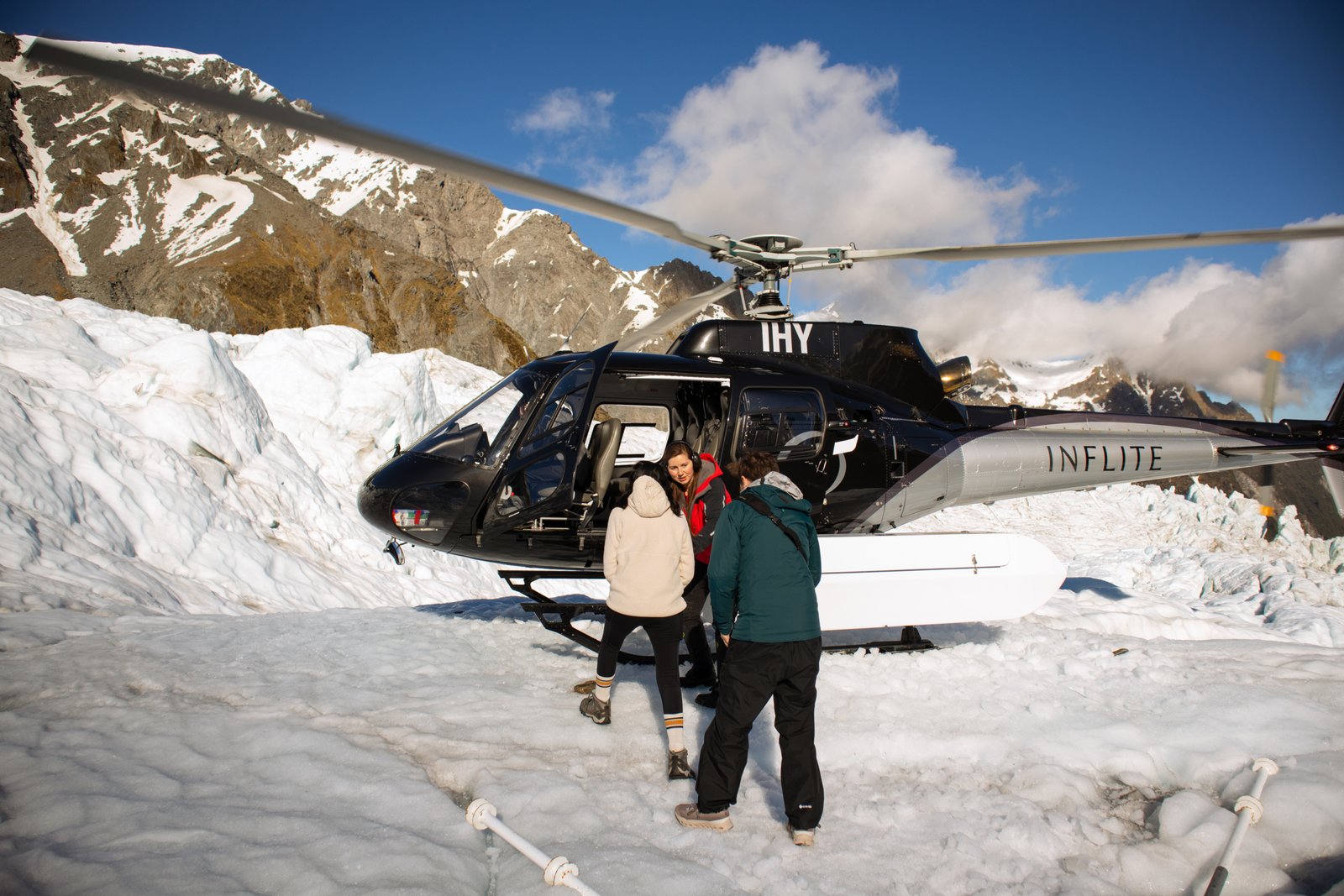
Franz Josef Glacier Heli Encounter
We did the Heli Encounter, landing on the ice by helicopter for a shorter taste of the glacier and it is worth the price tag. If you want more of a challenge, the Heli Hike gets you a four hour hike out on the ice instead, and driving yourself to Franz Josef is easy enough.
Fox Glacier
Fox sits about half an hour south of Franz Josef and is the quieter of the two. If you cannot decide between them, the twin glacier flight takes you over both in one trip, which is the easiest way to see the scale of the ice without picking a side.
If you have more time
Lake Matheson, ten minutes from Fox, gives you the mirror reflection of Aoraki on a still morning or at dusk. Hokitika Gorge for the turquoise water and swing bridge, and Punakaiki further north for the pancake rocks and blowholes. All three sit on the drive out toward Arthur's Pass, so they slot in rather than costing you a day.
Lake TekapoSouth Island, Mackenzie
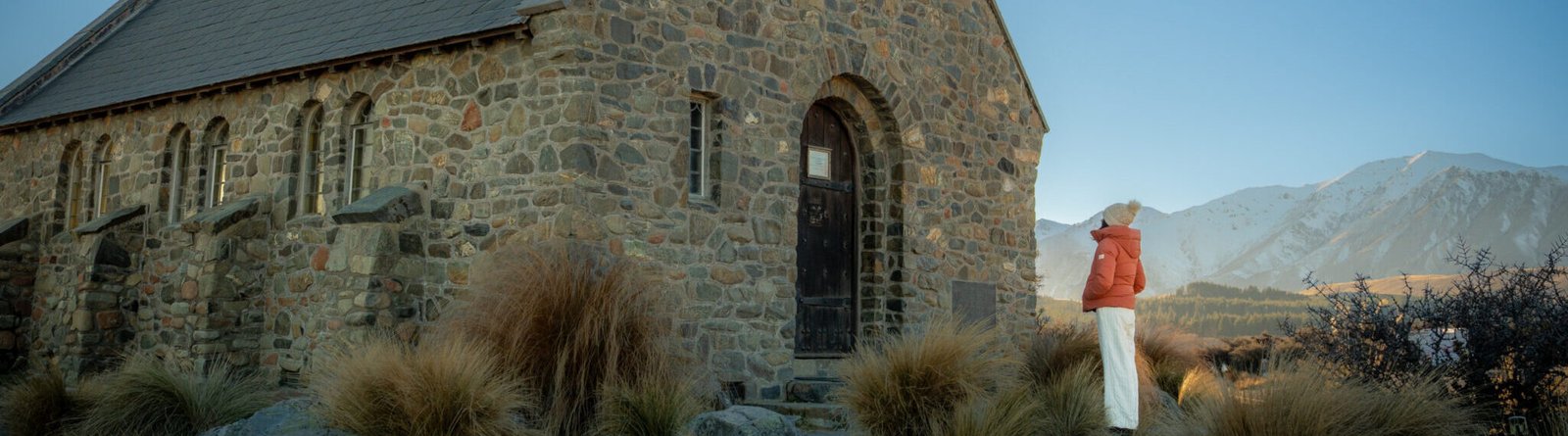
Church, mountain and hot pools
In Tekapo visit Church of the Good Shepherd and Mount John, $15 entry with a cafe up top. If you have had back to back driving days, Tekapo Springs is the spot to just breathe before you carry on to Lake Pukaki for the view. Lupins are in bloom from late November through to February.
The dark sky reserve
This whole basin is an International Dark Sky Reserve, which is why the stargazing here is not like stargazing anywhere else. You can do it from outside your own accommodation for free, or book a guided session where you sit in a hot pool while somebody talks you through what you are looking at.
Mount John summit
You can drive up for the $15 gate fee, or walk the summit track from the lakeside for free, about an hour up through pine forest and it opens out to a 360 view over the whole Mackenzie Basin. The cafe at the top has one of the better views of any cafe in the country. This is also the observatory site, which is why the stargazing tours run from here.
If you have more time
Lake Alexandrina. Ten minutes from the main lake and almost nobody goes, no jet skis, no tour buses, just fishing huts and birdlife. A good place to sit for an hour if Tekapo village feels busy.
The lupins, if you have timed it right. Late November through December is the window, and the best displays are along the lake edge and the roadsides out toward Pukaki rather than right at the church, which is where everyone stops.
Tekapo Regional Park. Easy flat walking tracks along the lakefront away from the village, and the quieter side of the water for photos at sunrise.
The drive in, and it is part of the trip
Clay Cliffs, Omarama. The turnoff runs along a gravel road, so keep your speed down. The cliffs sit on private land, entry is $10 per person paid by cash or bank transfer at the honesty box on the gate. No marked tracks, no toilets, no phone signal. Give yourself 30 to 45 minutes and wear proper shoes, the ground is loose clay and gravel and gets slippery fast after rain. In lupin season both sides of the road fill with them, and late afternoon light is the best time to drive it.
Lindis Pass. The highest point on the South Island's state highway network, golden tussock with no trees, and it looks different every hour depending on the light. There is a car park at the top with short walks to viewpoints. In winter expect snow and ice, and there is no phone coverage through the pass, so take it slow. Fill up on fuel before you start, services are limited the whole way through.
Aoraki / Mount CookSouth Island, Mackenzie
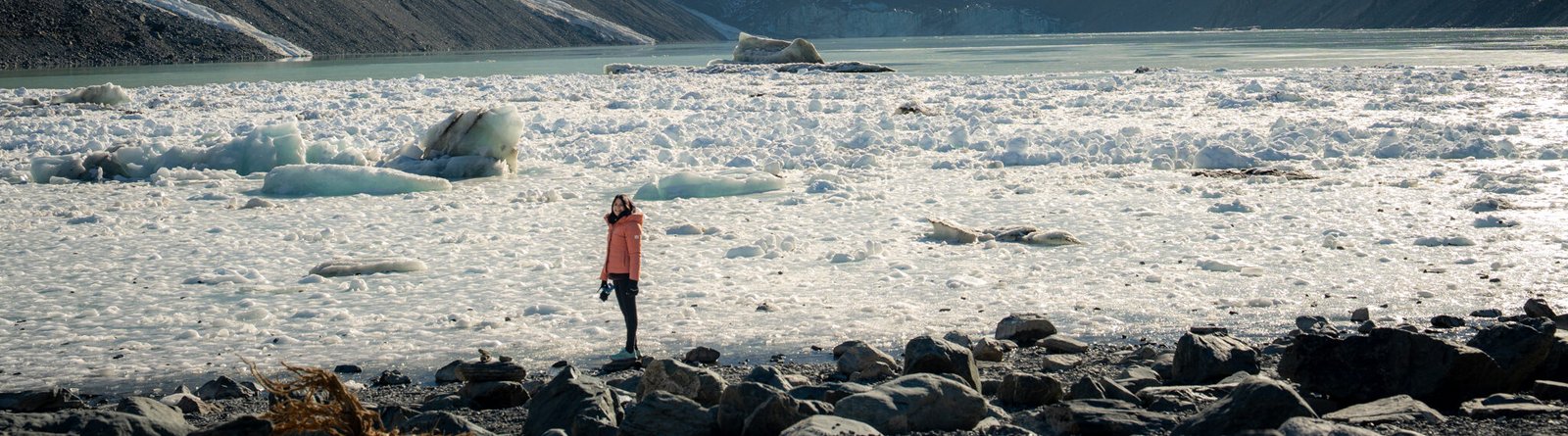
Hikes, helicopters and skydives
At Mount Cook do the Hooker Valley Track, about 3 hours return, mostly flat with a few swing bridges and fine for most fitness levels, just know parking is paid now. The Tasman Glacier View Track is the shorter alternative. This is also where you decide on the helicopter ride or the skydive. Book any flight for first thing in the morning, it is very weather dependent and a morning cancellation still leaves you time to rebook.
Stay the night, most people don't
Almost everyone drives in from Tekapo, does the Hooker Valley, and drives back out the same afternoon. Staying a night in Mount Cook Village is one of our strongest recommendations in this whole guide. You get the mountain at sunrise and sunset with almost nobody around, and the night sky here is as good as Tekapo without the crowd. There are very few beds in the village so book early.
If the village is full or over budget, base yourself in Twizel instead. It sits roughly midway between Tekapo and Mount Cook, so you can do two days of exploring without driving back and forth.
WanakaSouth Island, Otago
Skydive, lavender and Roys Peak
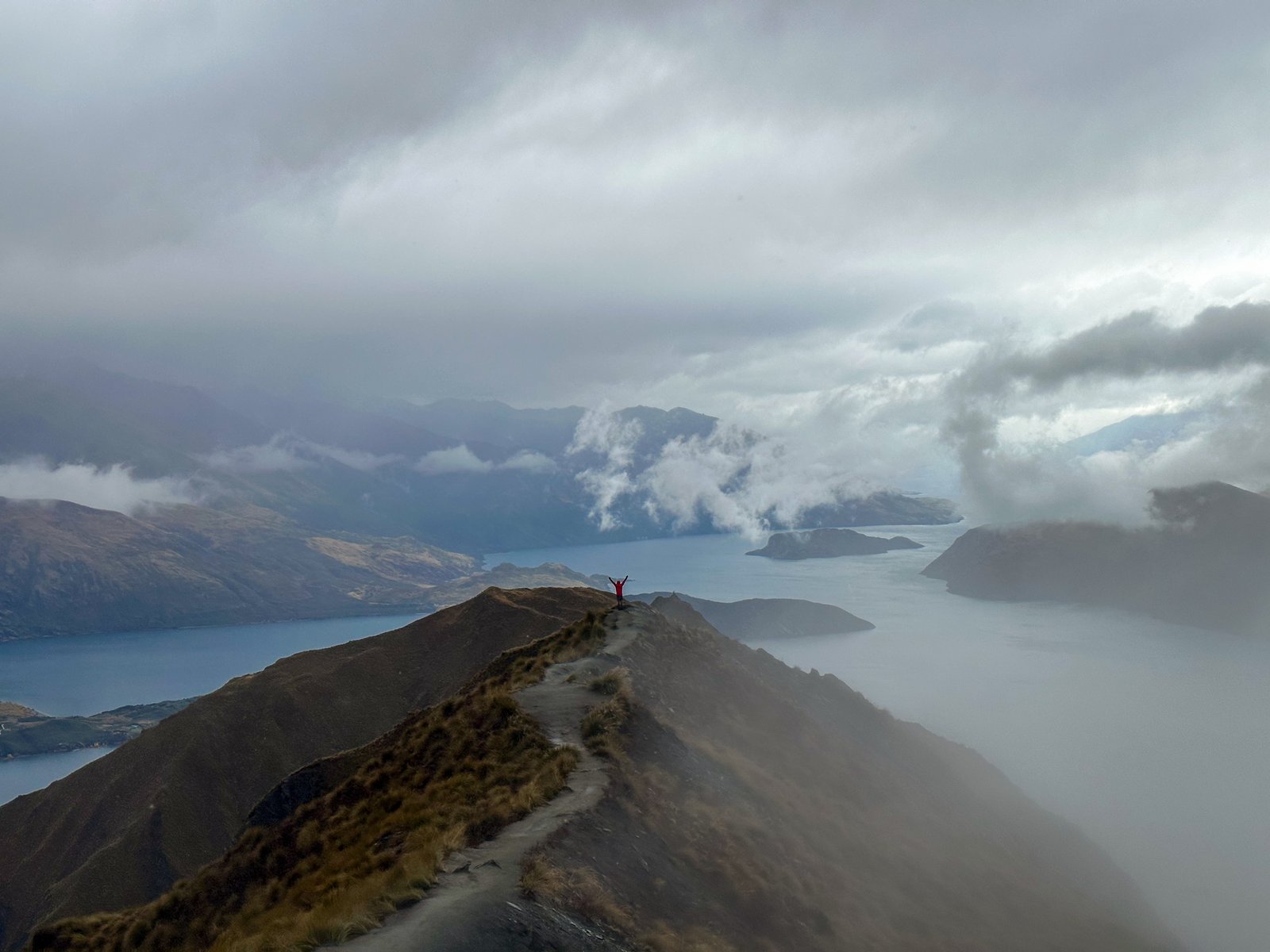
Wanaka is where you can skydive, or if you time it right visit the lavender farm in season, which is December through February. Roys Peak is the one everyone comes here for, around 16km return and 5 to 6 hours, steep in sections, so start early both for the light and to beat the crowds at the top. Skydiving and uFly are the same category of day, up in the air, so treat them as either or rather than both. If it rains or you have kids with you, Puzzling World is the fallback that does not feel like a consolation prize.
If you have more time: the road toward Haast Pass
Instead of one big hike, string together the short stops along the same stretch of road. Blue Pools, Wilson Creek, Fantail Falls and Thunder Creek Falls all sit within a short drive of each other, so it works as a loop of quick walks rather than a full day commitment.
One warning on Wilson Creek. It has got popular but it is not a designated spot, the water is very cold and the stream has a strong current. Be careful, and do not let kids in unsupervised.
The Crown Range, if you are driving to Queenstown
The highest sealed road in New Zealand, and worth building time into the day for rather than treating as a shortcut. The Cardrona Hotel dates to 1863 and is one of the oldest pubs still running in the country, a good excuse to stop even if you are not staying. The Cardrona Distillery is right there too. Keep an eye out for the bra fence along Cardrona Valley Road, hundreds of them strung along farm fencing, nobody quite agrees how it started. In winter the road can ice over and chains are sometimes required, so check conditions first, especially in a larger motorhome.
QueenstownSouth Island, Otago
The adventure capital
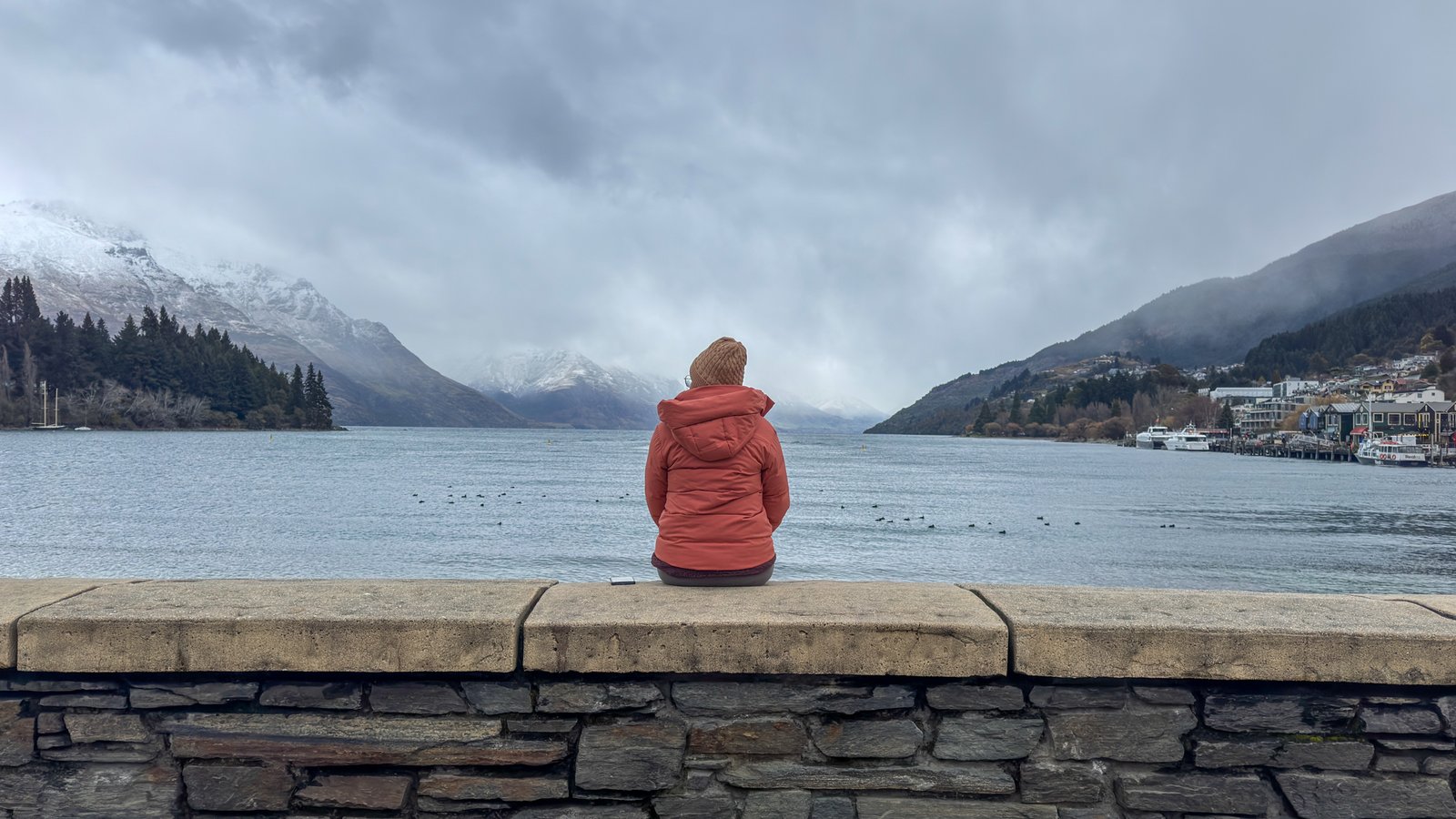
Queenstown is the adventure hub, skydiving, hot air ballooning, luge, gondola, onsen, hydro attack, Shotover Jet, take your pick. Add Gibbston Valley for wine tasting, bungee at Nevis or Kawarau depending on the thrill you want, and a cruise on the TSS Earnslaw or Pacific Jem across Lake Wakatipu.
Glenorchy and Arrowtown
Glenorchy is about 45 minutes out and the drive along Lake Wakatipu is one of the best in the region. Stop at Bob's Cove on the way, a short easy walk through forest down to the lake edge. Several Lord of the Rings locations were filmed out this way if that is of interest. Arrowtown works well as the quiet evening at the end of that day, with a Gibbston Valley winery stop on the way back.
If you have more time
Deer Park Heights, a short drive from town, a working farm park with sweeping views over Lake Wakatipu and the Remarkables, home to deer, llamas and yaks, and one of the filming locations for Rohan. Moke Lake, 15 minutes from the CBD, with no phone signal at all, which is exactly the point. Hot air ballooning if you have already done the bungy and want something in the air that is not adrenaline.
Our sequencing tip for Queenstown: save your highest adrenaline activities for one day and let the rest of the trip build up to it. Bungy first, then the jet boat, with downtime in between rather than rushing from one to the other, and finish with an onsen soak.
Where to stay, and why it matters here
If you are travelling with a car and as a group, an Airbnb usually beats a hotel in Queenstown. You get the view, the space and somewhere to park. Hotels here commonly charge $50 to $70 a day for parking on top of the room, which adds up fast over four nights.
FiordlandSouth Island, Southland
Milford Sound and Doubtful Sound
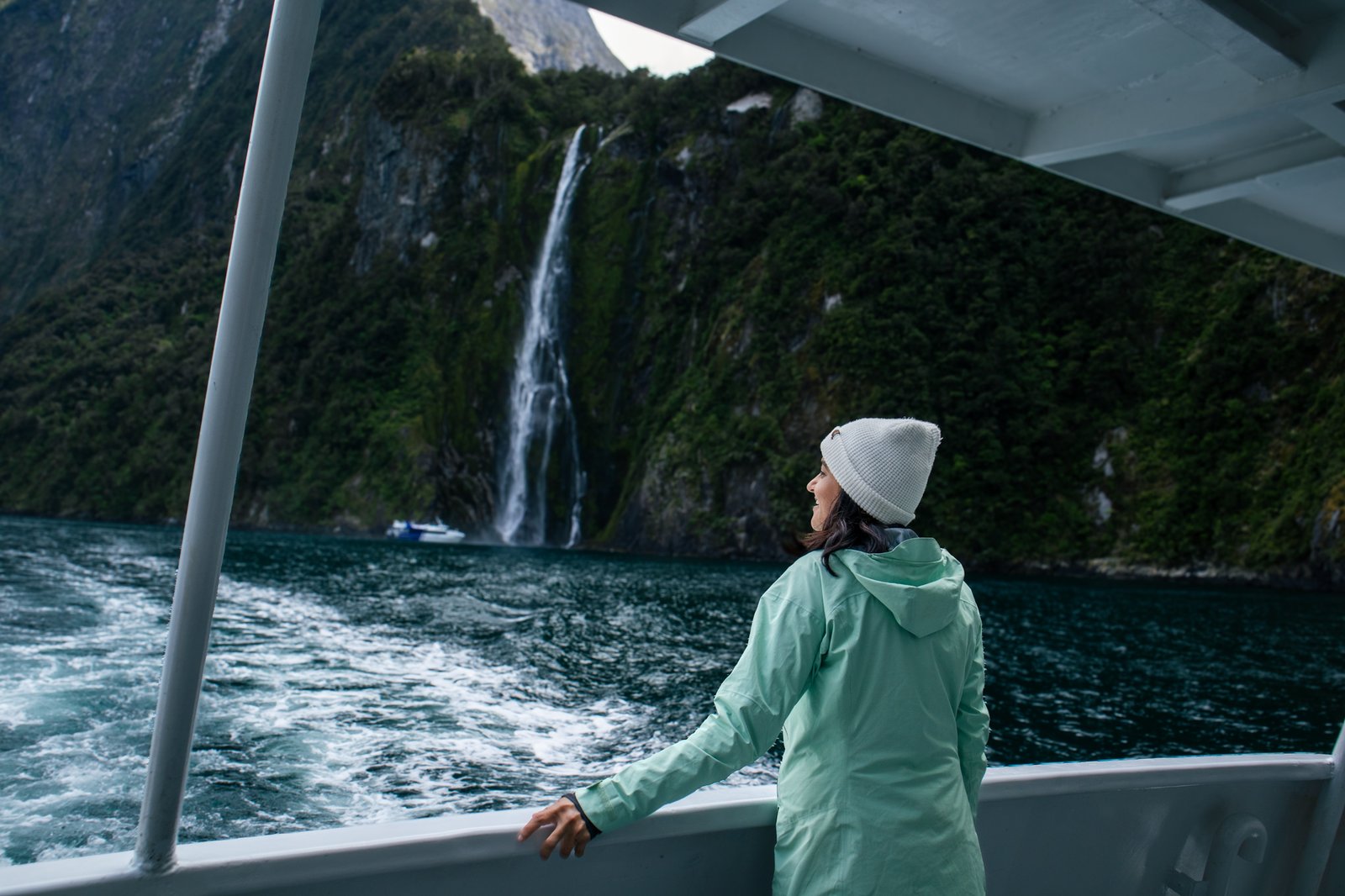
We have done both, the Milford Sound Nature day cruise and the Doubtful Sound overnight, and honestly they are both extraordinary. It really comes down to the logistics of getting there.
The drive is half of it
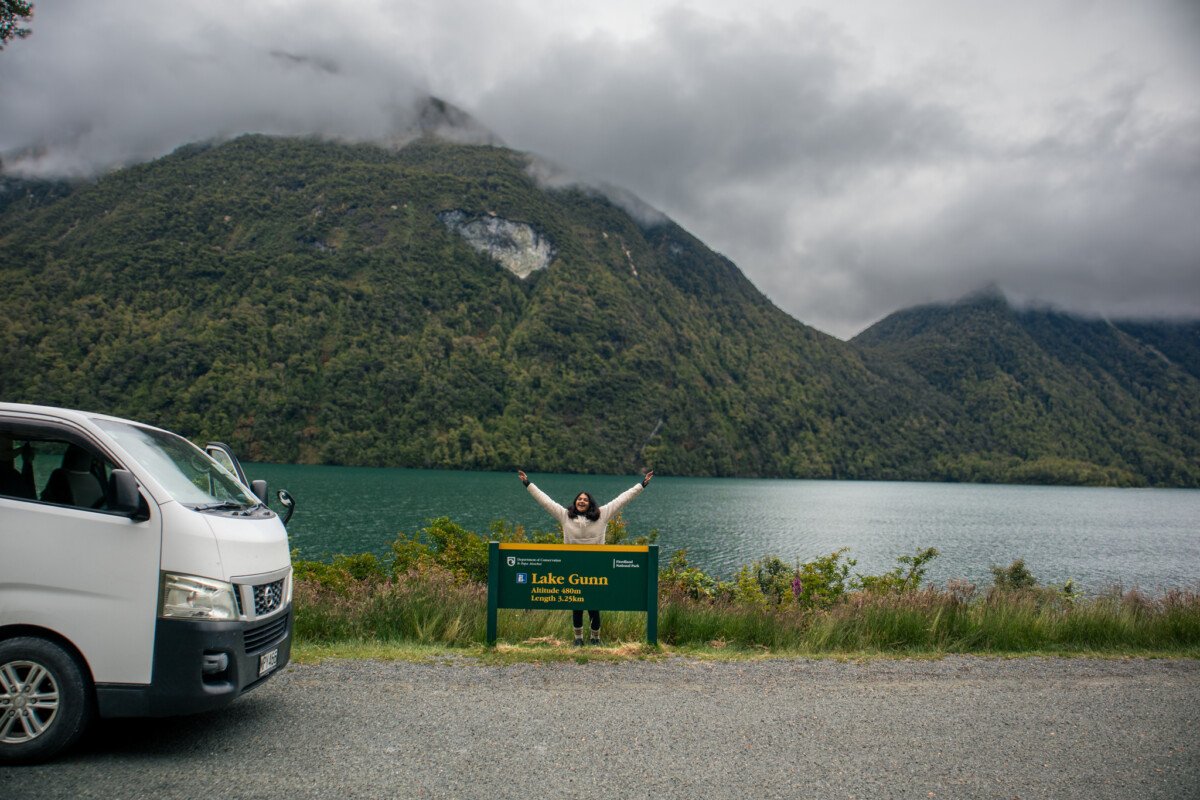
From Queenstown this is a full day out and back, a few hours each way, with the cruise as the centrepiece. Leave early. Worth stopping for on the way: Mirror Lakes, ten minutes and best on a still day. Lake Gunn Nature Walk, 45 minutes through beech forest. Lake Marian Falls, a 20 minute walk if you have time. Te Anau sits roughly halfway and is the sensible place to break the drive. Then the Milford Sound Foreshore Walk once you arrive, before or after your cruise.
Five ways to actually do it
Coach and cruise from Queenstown. A bus picks you up in Queenstown, drives you to Milford, you do the cruise, and the same bus brings you back. No driving at all, and several operators run this exact trip.
Stay in Te Anau, then self-drive early. Drive to Te Anau the day before, stay the night, and start the Milford road at first light. You get the drive in better light and beat the tour buses to the popular stops.
Self-drive as a day trip from Queenstown. The same route as the coach, but on your own schedule and at your own pace, stopping wherever you like.
Fly one way, coach back. Fly from Queenstown to Milford, do the cruise, then return to Queenstown by coach. Costs more, saves you the drive, and gives you the fjord from the air as well as the water.
The overnight cruise. Rather than a day cruise, sleep on the water. Slower pace, sunset and sunrise on the fjord, and a very different experience to the day trip.
Oamaru and the Otago coastSouth Island, Otago and Canterbury
Wildlife on the east coast
For wildlife, stop at Oamaru for paid penguin viewing or Timaru for the free version, and if you have got extra time Dunedin adds even more with its own wildlife cruises.
Oamaru town
The Victorian Precinct is the reason to stop here in daylight, a few streets of preserved 1800s limestone buildings down by the harbour, and Steampunk HQ sits right in the middle of it. The blue penguin colony is an evening thing, the birds come ashore at dusk, so the two fit neatly into the same stop. Moeraki Boulders are about 40 minutes south, best at low tide.
Want to skip the research?
Talk your trip through with us on a call, or hand it to us entirely and we build the whole thing around your dates.
Picked for You, Not Just Popular
There are thousands of places to stay in every one of these towns. We did not list all of them. We filtered them down by location, reviews, and in some cases our own stays, so you are choosing between a handful of good options instead of scrolling through hundreds. The four photos you will see below are places we have actually stayed.
Auckland
We stayed here. A standard hostel with a shared kitchen, does exactly what you need.
Book hereWe stayed here and would go back. Spacious rooms, warm hospitality, a proper breakfast buffet, and the one thing you will not find anywhere in the CBD, a huge free car park.
Book hereReviews are solid. Ask for a room away from the road, there is construction noise nearby, and confirm the parking situation when you book.
Book hereHarbour and Sky Tower view rooms, and Bar Albert on the 38th floor is the highest rooftop bar in the country, worth a drink even if you are not staying here.
Book hereOur top pick for the CBD. Sky Tower views from the window, sweet treats and drinks left in the fridge, and one of the best breakfast buffets we have had anywhere. Sits slightly off the main action, and valet parking is extra.
Book hereSteps from the international terminal, ideal for an early flight.
Book hereClassic Marriott polish throughout, with afternoon high tea if you want to make an afternoon of it.
Book hereThe only true five star right at the airport, steps from arrivals. Add breakfast, and ask what your room looks out on, lower floors can face the car park.
Book hereThe best location of any hotel in the CBD, right on the water at Princes Wharf. If waking up to harbour views matters to you, this is the one.
Book hereRotorua
Our pick for holiday parks. Stunning lake setting, 12 minutes from town, and something for every budget from powered sites to cabins.
Book hereWe spent two nights here and it was exactly what we needed after days of non-stop exploring. Just 8 suites, right on the edge of the lake with its own jetty, a garden that rolls down to the water, and two jacuzzis we spent more time in than we planned. Our top pick, full stop.
Book hereWe have stayed here too. Five star, city centre, and if you are staying at any Pullman our one tip is always add breakfast.
Book hereLakeside, minutes from Black Swan. Rated 4.6 and consistently praised for warm hospitality, worth it if Black Swan is booked out.
Book hereQueenstown
Central, clean, consistently well reviewed and walkable to everything.
Book hereBest value for money in Queenstown, right in the city centre and walkable to everything.
Book hereOur top pick if you have a car. Right by the lake with hot tubs, and the facilities are in great condition since it is relatively new. Books out fast.
Book hereAnother solid Frankton option if Driftaway is full.
Book hereThe budget option if you would rather base yourself in Arrowtown instead of Queenstown itself.
Book hereCompact but well located, good if you just need a bed in the middle of town.
Book hereA good middle option if you are staying nearer the airport side of town.
Book hereResort-style, good if you are staying longer and want more space.
Book hereLocally loved, a bit further out, good if you want quiet over convenience.
Book hereSimple and central to Arrowtown if you want small-town quiet over Queenstown's energy.
Book hereBest for longer stays, private and mountain facing, but you will need a car.
Book hereRight on the lakefront in the middle of town, about as central and as special as Queenstown gets.
Book hereResort-style, good if you want space and a proper pool.
Book hereLake and mountain views, a step up if you want to properly treat yourselves.
Book hereA golf resort near Arrowtown, worth it if you want total quiet after Queenstown's energy.
Book hereBoutique and lakeside, a smaller alternative to the big resort brands.
Book hereUp in the hills with proper views, but you will need a car to get around.
Book hereChristchurch
If you are only in for one night, this is the sensible option. Sleep well, skip the CBD, and pick up your rental in the morning.
Book hereA YMCA rebrand right opposite the Botanic Gardens, with profits going back into the local community. Different from the usual chain hotel, and worth it if that matters to you.
Book hereThe polished option if you are spending a proper night or two in the city rather than just passing through.
Book hereLake Tekapo
Self-contained apartments with a kitchen, a solid middle option if you want more space than a hotel room.
Book hereFive star, and every room looks out over the lake and the Southern Alps. The kind of place worth waking up early in, just for the view.
Book hereA private two bedroom villa a short walk from the Church of the Good Shepherd and the lakefront. Good if you want a proper kitchen and some space rather than a hotel room.
Book hereMount Cook
The only hostel in the village. If you are on a budget, this is genuinely it.
Book hereThe sensible alternative when the Hermitage is full or over budget, same village, same mountain.
Book hereThe one everyone pictures when they think of Mount Cook. Open since 1884, most rooms look straight at Aoraki, and it is the reason the village exists in the first place.
Book hereNot sure which town or which nights?
We can walk through it with you on a call, or build the whole stay-by-stay plan for you inside a customised itinerary.
10, 12, 15 and 21 Day Itineraries
Four full trips, day by day, morning through evening. These are the routes we would actually drive, in the order we would drive them. Tap one open to see the whole thing. What each place is actually like, and every option we did not have room for here, is in the section above.
10 Days
If you only have ten days, do the South Island properly rather than rushing both islands. No internal flights, no wasted travel days.
12 Days
Auckland and Rotorua first, then fly south. There is no direct flight from Rotorua to Queenstown, so you drive back to Auckland to catch it. Auckland 1 night, Rotorua 3, Queenstown 4, Tekapo 2, Christchurch 2.
15 Days
The same shape as the 12 day with the days you actually want. Auckland 2 nights, Rotorua 3, Queenstown 4, Wanaka 2, Tekapo 2, Christchurch 2.
21 Days
This is the version we build for people who want the whole country in one trip, North Island loop, the Cook Strait ferry, then the full South Island circuit. It works best in a campervan or motorhome, and it is the only one of these four where the ferry is worth the risk of a cancellation.
Book these in advance
A handful of things on these routes sell out, especially between November and March. Book these before you land, not once you arrive.
Activities
- Waitomo Caves, especially black water rafting
- Kaikoura whale watching
- Milford Sound, day cruise or overnight
- Grand Circle heli experience, Mount Cook
- Skydiving or U-Fly, Wanaka
- Bungy, Nevis or Kawarau
- Shotover Jet, Queenstown
- Hobbiton, if it is on your list
Vehicles, ferries and beds
- Campervan or rental car, rates spike from October
- Cook Strait ferry, if you are doing the 21 day
- Internal flights, if your route crosses by air
- Accommodation in Tekapo, small town, fills fast
- Accommodation in Mount Cook Village, very limited stock
- Accommodation in Wanaka
- Accommodation in Queenstown, the most expensive to leave late
Apps, Data and Essentials
The apps we actually use, how phone data really works here, and the two partners we trust with the boring but important stuff.
Check these before you drive
New Zealand roads close more often than visitors expect. Snow and ice shut the mountain passes in winter, and slips close coastal highways after heavy rain. Lindis Pass, the Crown Range, Arthur's Pass and Haast Pass are the four to watch on these routes. Check the morning you drive, not the night before.
Phone data and wifi
This catches out more visitors than almost anything else in this guide, particularly people coming from countries where mobile data is cheap and everywhere. New Zealand is neither. Data costs more here than you are probably used to, coverage disappears completely in the places you most want to be, and free public wifi is not something you can plan around. Cafes and holiday parks often have it, but it is slow, capped, or both.
Coverage. Spark and One NZ have the best coverage in New Zealand. If you are driving the South Island, going into Fiordland, or spending time anywhere rural, that is what matters more than the price of the plan. 2degrees is the cheaper option and has an Unlimited Travel SIM built for visitors, 3 to 30 days, unlimited data, and you can buy extra days if you stay longer.
Where you will have no signal at all. Lindis Pass, the Clay Cliffs, Moke Lake, large parts of the Milford road and most DOC campsites. Download your maps offline before you leave town, and tell someone your plan before a long hike.
Eskimo eSIM
If you would rather not queue at the airport or deal with a physical SIM at all, an eSIM is the easy version. Eskimo is what we point people to. Set it up before you land so you have data the moment you land, then decide whether you want a local SIM on top once you see how much rural driving you are doing. New users get 1GB free on the global plan using our code.
SafetyWing travel insurance
Do not skip travel insurance in New Zealand. Bungy, skydiving and heli flights all need to be specifically covered, so check your policy actually includes adventure activities. SafetyWing is what we use for our own travels.
Things You Should Know
Small things that catch people out, every single trip.
NZeTA costs more than people expect
Most nationalities need it. The processing fee is $23 NZD online or $17 through the official app, but almost everyone also pays the $100 NZD International Visitor Levy on top, in the same transaction. Budget around $117 to $123 per person. Australian citizens and permanent residents are exempt from the levy. There is one place to do it and one only, the official Immigration New Zealand site. Third party sites charge you extra to fill in the same form.
The sun here will burn you through cloud
New Zealand's UV is among the strongest in the world, and the part people get wrong is thinking an overcast day is a safe day. It is not. Cloud barely reduces UV, and a grey afternoon at Milford or on the Hooker Valley Track will still catch you out.
Wear SPF 50+ every day, reapply it, and add a hat and sunglasses. You can buy sunscreen anywhere here, Chemist Warehouse is the cheapest for the big bottles.
Sandflies on the West Coast
They are relentless around Fiordland, the glaciers and the whole West Coast, and they bite at dawn and dusk in particular. Cover your ankles, and get repellent before you head down there rather than after the first night.
The one that actually works is Aeroguard Heavy Duty. And when you do get bitten, do not scratch them. Scratching makes the reaction worse and drags it out for days. Antihistamine cream, and leave them alone.
Check your licence is actually valid here
Do not assume your licence works in New Zealand just because it is a full licence at home. You need it to be in English, and if it is not, you need an International Driving Permit or an approved translation carried alongside the original. Rules also differ depending on which country issued it. The official NZTA page on driving with an overseas licence is where to check your specific country, not a rental company website or a forum post. Rental companies check this at the counter and will refuse the vehicle without it, so sort it before you fly.
Roads close, more than you would think
Mountain passes close for snow and ice in winter, and coastal highways close for slips after heavy rain. Chains are sometimes required over the Crown Range in winter, especially in a larger motorhome. If an earthquake or other natural event happens while you are here, check GeoNet and the NZTA Journey Planner before you get back on the road.
Parking is a real line in the budget
Central Auckland parking is expensive and the city is walkable, so do not hire a car for the days you are staying in the CBD unless you are heading out west. In Queenstown, hotels charge roughly $50 to $70 a day for parking on top of the room.
Biosecurity is serious
Declare all food and clean your hiking boots. There is a $400 on the spot fine if you do not declare.
Weather changes fast
Pack layers even in summer, and always check MetService before any hike. Four seasons in one day is not a saying here, it is a forecast.
Keep coins, even though it is a cashless country
New Zealand runs on card, Visa and Mastercard are accepted almost everywhere and you can comfortably travel without touching cash. The one exception is coin-operated showers at campsites, which want $1 and $2 coins, cards will not help you there. Keep a small float for that reason alone.
Weather cancels things
Cruises, heli flights and whale watching all get cancelled on the day. Build a backup day in rather than losing the experience entirely, and book the weather dependent things early in your stay in a place, not on your last morning. Where you have a choice of time, take the morning slot. Wind tends to be calmer earlier in the day and picks up through the afternoon and evening, so morning bookings have a better chance of actually going ahead.
Pre-Trip Checklist
Every box you tick is one less thing to stress about when you land.
- Apply for NZeTA before flying, around $117 to $123 including the visitor levy
- Complete the NZ Traveller Declaration via the NZTD app, 24 hours before travel
- Book travel insurance that covers adventure activities
- Sort an eSIM before you fly, code SAGARAMI1GB for 1GB free, or plan to pick up a Spark, One NZ or 2degrees SIM on arrival
- Check your driving licence is in English, or get an International Driving Permit or certified translation
- Book your campervan or rental car early, summer rates spike from October
- Book internal flights if your route crosses between islands by air
- Book the Cook Strait ferry if you are driving between the islands, and leave spare days around it
- Book Hobbiton in advance, it sells out weeks ahead in summer
- Book Waitomo, small groups sell out fastest, use SAGARANDAMI10 for 10% off
- Book your Milford Sound cruise, morning sailings are cheaper and quieter
- Book accommodation in Tekapo, Mount Cook Village, Wanaka and Queenstown
- Book DOC campsites for popular spots and Great Walks in peak season
- Get TOP 10 membership if staying at 3 or more holiday parks, $55 for 2 years, and it also gets you a member discount on Interislander ferry fares, which is worth having if you are crossing with a vehicle
- If you are travelling over Christmas, New Year or a New Zealand school holiday, book everything six months out
- Download CamperMate, Gaspy, Grocer, MetService, AllTrails and First Table
- Bookmark NZTA Journey Planner and GeoNet for road closures and quakes
- Clean your hiking boots before packing, biosecurity rules apply to dirty gear
- Organise a $1 and $2 coin float for camp showers
- Download Google Maps offline for the West Coast and Fiordland
Packing Checklist
New Zealand weather does not care what season it is. Pack for four seasons in one day and you will be fine.
Clothing and layers
- Merino base layers, top and bottom
- Fleece or insulated mid layer
- Waterproof shell jacket, properly waterproof not showerproof
- Quick dry hiking trousers
- Warm hat, gloves and a buff, even in summer
- Sun hat and sunglasses, the UV here is brutal
- Swimwear, for hot pools and beaches
- Thermals for the South Island shoulder season
Footwear
- Broken in hiking boots, cleaned before you fly
- Trainers or trail runners for easy days
- Jandals
- Merino hiking socks, more pairs than you think
Campervan specific
- Head torch, one each
- Reusable water bottles
- Microfibre towels, they dry in the van
- Dry bag for wet gear
- Small brush and dustpan
- Rubbish bags, there are not always bins
Tech and power
- NZ plug adapter, Type I, same as Australia
- Power bank for long drive days
- Car charger with multiple ports
- Offline maps downloaded before you leave a town
- Camera, spare batteries and cards
Documents
- Passport and NZeTA confirmation
- Driving licence, plus an International Driving Permit or certified translation if it is not in English
- Travel insurance policy, saved offline
- Booking confirmations, saved offline
- TOP 10 membership card if you got one, you need it at ferry check-in
Health and the small stuff
- SPF 50+ sunscreen, and wear it on cloudy days too
- Aeroguard Heavy Duty for sandflies, non negotiable on the West Coast
- Antihistamine cream, for when you get bitten anyway
- Basic first aid kit and blister plasters
- Any prescription medication, in original packaging
- Reusable coffee cup
- $1 and $2 coins for showers
Was this useful?
If the guide helped, we would love to hear about it. It takes a minute and it genuinely helps us keep making these.
What surprised you, what saved you money, or what you would tell a friend.
Want us to plan the whole thing?
This guide gives you four itineraries, the regions and the real numbers, built for a traveller in general. There are two ways we take it further, and they are different jobs.
Customised itinerary
We build your trip from scratch around your dates, your budget, your pace and who you are travelling with. Day by day and hour by hour, with the operator we would book, in the order we would do it, and every link you need. You do the booking. Revisions included until it is right. From $298 USD for 5 days, and you already have 5% off.
End to end, we book it too
The same itinerary, except we handle the booking as well. Flights, vehicle, accommodation, activities, all arranged through our partner travel agent so you are not managing twenty confirmations across fifteen websites. Priced per trip depending on length and what is in it. Tell us what you are after and we will come back with a quote.
Or just talk it through, $10 off already applied
Sixty minutes on video, we go through your whole trip, and you get a written summary afterwards. Best if you have already got a plan and want someone who lives here to tell you what will not work.