Trip to New Zealand Cost: Real Budget for a 10–12 Day Trip (2026 Guide)
Planning a trip to New Zealand is exciting, but one of the first questions most travellers ask is simple.
What is the real trip to New Zealand cost?
New Zealand is often seen as an expensive destination, but the reality is that the total cost depends heavily on how you travel, where you stay, and what experiences you choose along the way.
Over the past ten years, we have lived and travelled around New Zealand extensively. We share our travels on Instagram, you can have a look HERE.
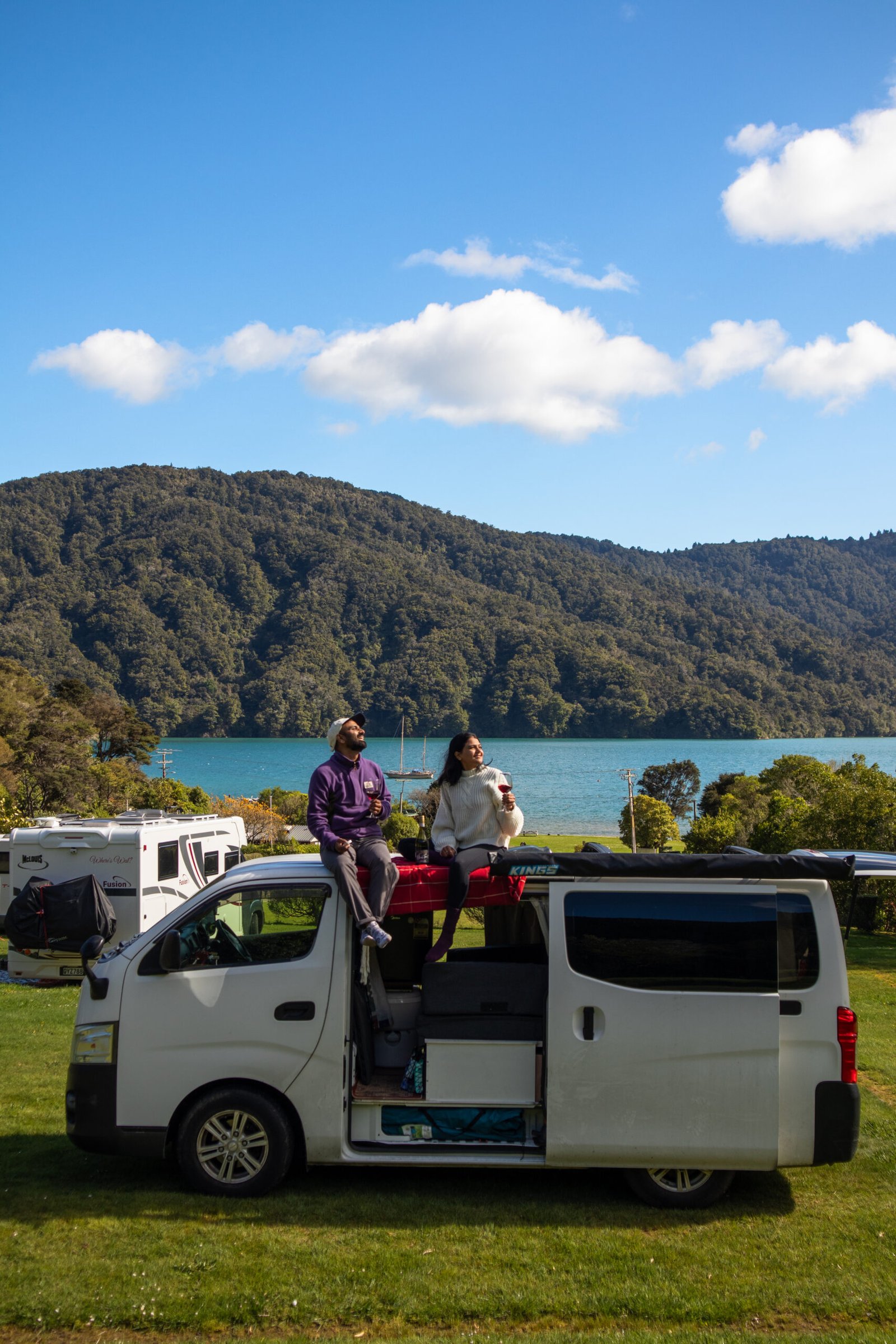
We also spent five months travelling across the South Island in a tiny campervan, which gave us a very realistic understanding of what it actually costs to explore the country.
From flights and accommodation to transport, food, and activities, the expenses can add up quickly if you are not prepared. At the same time, many of the country’s best experiences are completely free, from scenic drives and alpine hikes to lakes, beaches, and incredible sunrise viewpoints.
In this guide, I will break down the real cost of travelling in New Zealand for a typical 10- to 12-day trip so that you can plan your budget with confidence.
Quick Cost Overview for a 10–12 Day Trip to New Zealand (for two people)
| Category | Estimated Cost |
| Flights | $2,400 – $4,500 |
| Accommodation | $2,500 – $3,300 |
| Food | $800 – $960 |
| Transport (fuel+Vehicle) | $2,000 – $3,500 |
| Activities and tours | Around $2,700 |
| Miscellaneous | Around $1,500 |
| Total | $11,900 – $16,460 |
The estimated total cost of a trip to New Zealand $11,900 – $16,460 for two people, including flights
Real Cost Breakdown for a 10–12 Day New Zealand Trip
Flights to New Zealand
Flights will likely be one of the biggest expenses when planning your trip. Because of how remote the country is, the cost of flights to New Zealand can vary a lot depending on where you’re flying from and the time of year.
Most international flights arrive in Auckland, Christchurch, or Queenstown, with Auckland being the main international hub.
For travellers coming from Singapore, return flights usually range between $1,200 and $2,600, with prices rising quickly during the peak summer season between December and March. From Australia, flights are much shorter and cheaper. Return fares typically fall between $300 and $900, depending on the airline and how early you book.
If you’re travelling from India, flights are naturally more expensive. For example, we recently checked a route from Mumbai to Auckland via Singapore with the return Christchurch to Mumbai, and prices were around $3,000+ NZD during peak season, while off-peak fares were closer to $1,800+ NZD.
If you’re travelling on an Indian passport and transiting through Australia, you will usually need a transit visa. Visa requirements can change, so it’s always best to check the official Australian immigration website for the most up-to-date information before booking your flights.
In general, booking your flights early makes a big difference. Flights are usually cheapest when booked 3–6 months in advance. This is especially true for peak season travel. If you spot a good deal, it’s usually worth locking it in because prices tend to climb as the travel dates get closer.
Transport in New Zealand: Campervan vs Car
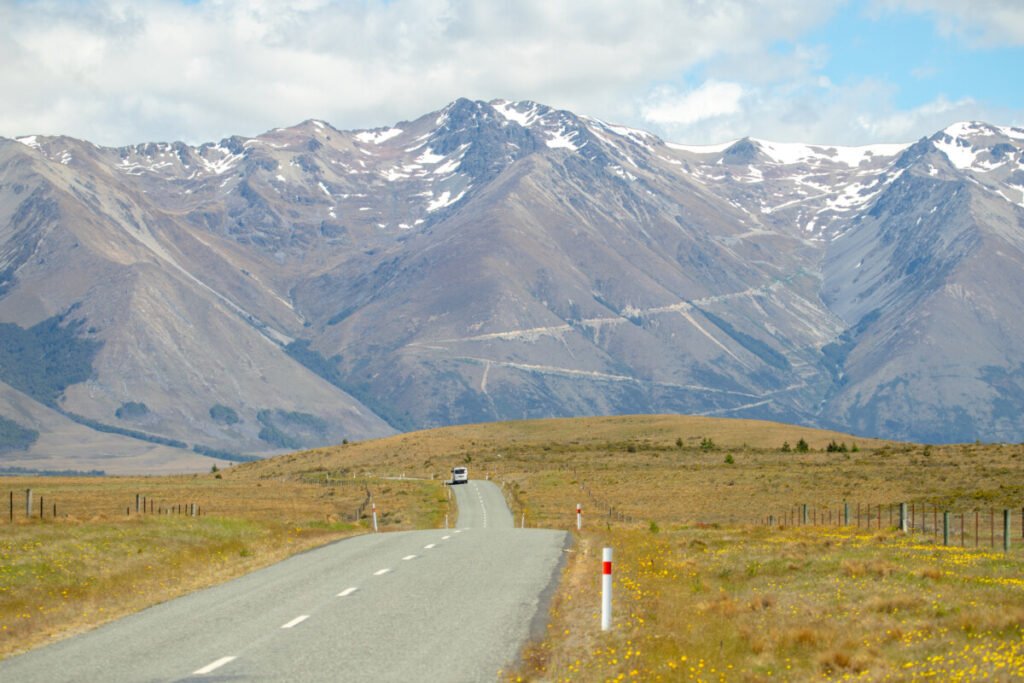
Transport is one of the biggest factors that affect the total cost of a trip to New Zealand. Distances here might look small on the map, but the landscapes change constantly, and most travellers end up driving a lot. In many cases, the choice comes down to one question.
Campervan or rental car?
Before talking about the experience, it helps to look at the numbers first.
Campervan Costs
Campervan prices in New Zealand vary widely depending on the type of vehicle and the season. Budget campervans (like Jucy), where you cannot stand inside, usually start from around $80 per day during the off-peak season and can go up to about $150 per day during peak season. These are the cheapest option but space is limited, and you need to be comfortable cooking in a small setup and dealing with changing weather conditions.
Mid-range campervans with a high roof and more space to move around usually cost around $170 per day in the off-peak season and around $300 per day during peak season. These are often the most popular choice because you can stand inside and they offer a better balance between comfort and price.
Larger campervans with more amenities can start from around $270 per day in the off-peak season and go above $400 per day during the summer peak season.
Even though a campervan acts as your home, there are still some additional costs to consider. Holiday parks in New Zealand usually charge between $65 and $80 per person per night, depending on the season. Many travellers mix these stays with freedom camping sites, which are free in many parts of the country. However, if your campervan is not fully off-grid, you may still need to stay in a holiday park every few nights to recharge power and use some amenities.
Car Rental Costs
If you choose to rent a car instead, rental prices also vary depending on the island and season. In the North Island, car rental usually starts around $150 to $200 per day during the off-peak season and can rise to around $350 per day during peak travel periods. In the South Island, prices are often slightly higher, starting around $170 to $240 per day during off-peak season and reaching about $350 per day during peak season.
With a car rental, you also need to factor in accommodation. Budget hotels or motels usually start from around $160 per night, mid-range options often sit between $250 and $300 per night, and premium hotels can easily start from $400 per night.
Fuel Costs
Fuel is another important expense. It can significantly affect your trip to New Zealand cost. Petrol prices in the North Island usually range between about $2.30 and $2.70 per litre, while in the South Island, prices are often slightly higher at around $2.50 to $2.90 per litre, depending on the location. The further you go from the bigger cities, the higher the prices get. Diesel is generally cheaper than petrol. This might be the reason many larger campervans run on diesel. Make sure you download Gaspy to save money on Fuel. I have written a detailed post on the essential apps you will need for your next New Zealand trip. You can read it HERE.
A typical New Zealand road trip covers 1,500 to 2,000 km. This is especially common for a 10 to 12-day itinerary. Fuel costs will naturally depend on how much you drive and the type of vehicle you rent.
There are also smaller expenses travellers often forget to include, such as parking fees, occasional toll roads, and sometimes speeding tickets if you are not careful with New Zealand’s changing speed limits.
Quick comparison for travellers deciding between the two options:
| Campervan | Rental Car |
| Accommodation and transport combined in one vehicle | More comfortable driving and easier to manage |
| Requires managing water, power and space | Hotels or motels provide more space and amenities |
| More flexibility and freedom camping options | Better option for shorter trips |
| Lower food costs if you cook in the van | Accommodation costs add up during peak season |
Experience: Campervan vs Car
When it comes to the experience, this is where the decision becomes more personal. We might be slightly biased because we live full-time in our van, but travelling New Zealand in a campervan feels very different from renting a car. You are much closer to nature, and you have the flexibility to stop whenever you want. As someone who drinks a lot of coffee, I also love having everything in the van without constantly spending money on cafés or takeaway food.
New Zealand is also very freedom camping-friendly and generally safe. When we travelled around the South Island for five months in our van, many nights were spent at freedom camping spots, which meant our accommodation cost was zero. If you want to learn more about that side of travelling in New Zealand, I have explained it in detail in another guide.
(Read HERE)
Travelling by rental car is also a great option, and many travellers prefer it for comfort and flexibility. Hotels or motels give you more space to relax after long driving days, and you do not have to worry about managing water, power or waste like you would in a campervan. If you are travelling for a shorter trip or prefer a more comfortable setup, renting a car and staying in accommodation can be the easier way to explore New Zealand.
Food Costs in New Zealand
Food is another factor that can quickly influence the overall trip to New Zealand cost. The good news is that you can control this expense quite easily, depending on how often you cook versus eating out.
If you are cooking most of your meals, supermarket costs are fairly reasonable. When we cook in the van using basic ingredients and supermarket value brands like Pams or other store brands, we usually spend around $150 to $180 per week for two people, without alcohol.
Eating Out Costs
Eating out regularly will increase your daily travel cost quite quickly. Coffee in most cafés usually costs around $5 to $6 per cup. (Make sure you try Flat While and Cappuccino.) A casual takeaway meal for two people often costs around $35 to $40, depending on the city and the type of food. If you have a big appetite, as we do, even something simple like a $7 pie might not be enough for one full meal.
Restaurant meals are naturally higher. A simple sit-down meal can start from around $50 for two people and easily go up to $75 or more, depending on the restaurant and location. If you are flexible with the timing, you can get some amazing deals on First Table.
Supermarket Tips to Save Money
One easy way to reduce your New Zealand travel costs is by choosing the right supermarkets. Pak’nSave is usually the cheapest option for groceries, while stores like Woolworths and New World tend to be slightly more expensive but sometimes more convenient depending on where you are travelling. I am planning to write a separate post on how to save money on food while travelling in New Zealand, so keep an eye out for upcoming posts.
For many travellers, a good balance is cooking some meals and eating out occasionally. This way, you still experience local cafés and restaurants without letting food costs push your overall trip budget too high.
Activities and Tours in New Zealand
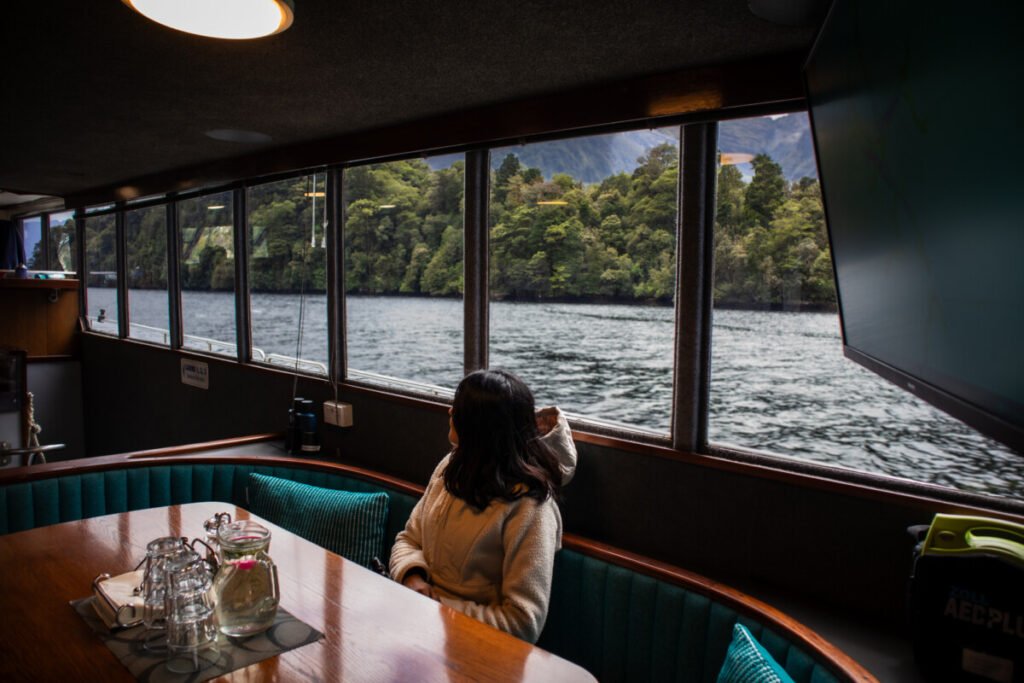
Activities can quickly become one of the biggest parts of your trip to New Zealand’s cost. The country is known for adventure experiences and scenic tours (like this Heli encounter), and many travellers naturally want to include a few of them while planning their trip.
Typical Activity Costs
Some of the most popular experiences include Milford Sound cruises, scenic helicopter flights, the TranzAlpine train, bungee jumping in Queenstown, or overnight cruises in places like Doubtful Sound. Prices can vary widely depending on the activity.
For example, a Milford Sound cruise is usually around $180 per person, bungee jumping in Queenstown starts from around $350, and scenic helicopter experiences can reach $595 or more depending on the tour.
Unique experiences like the TranzAlpine train journey return trip can cost around $500 per person, while something more immersive like the Doubtful Sound overnight cruise can go up to around $750-$1200 per person. These experiences are incredible, but it is easy to see how adding several tours can increase your New Zealand travel cost quite quickly.
The key is to choose a few experiences that matter most to you rather than trying to do everything. Even adding two or three activities during your trip can significantly increase the cost of travelling in New Zealand.
When I do consultation calls with travellers who are planning their trip, I always try to help them find a balanced mix based on their travel style and priorities. The goal is to maximise the experience while still staying within their budget so they can take home memories that last for a long time.
If you are planning activities in advance, it is worth checking platforms like Bookme or Roady as they often offer special discounts on different tours and attractions. During peak season, booking early is usually the best approach because popular time slots and experiences sell out quickly.
Free Things to Do in New Zealand
The good news is that many of the most beautiful experiences in New Zealand are actually free. Some of our favourite moments have been simple things like hiking trails, lakeside walks, sunrise or sunset viewpoints, cold plunges in alpine lakes, farmers’ markets, seasonal lupin fields, or visiting local museums and community events. You can use the Plan My Walk app to stay up to date on the track information.
There is truly something for everyone here. Even if you are travelling on a tighter budget, you can still experience the best of the country. New Zealand’s real magic lies in its landscapes, and those are completely free to enjoy. Pick a few non-negotiable experiences that matter most to you, plan them around your budget, and the rest of the trip will still feel incredibly special.
Total Cost Breakdown for a 10–12 Day Trip to New Zealand
At this point, you might be wondering what all of these expenses actually add up to. Based on the typical costs we discussed above, here is a realistic estimate of what a 10–12-day trip to New Zealand could cost for two people travelling at a mid-range budget.
Estimated cost for two people for 10–12 days (excluding flights)
| Category | Estimated Cost |
| Flights | $2,400 – $4500 |
| Accommodation | $2,500 – $3,300 |
| Food | $800 – $960 |
| Transport (fuel+Vehicle) | $2,000 – $3,500 |
| Activities and tours | Around $2,700 |
| Miscellaneous | Around $1,500 |
| Total | $11,900 – $16,460 |
Estimated total (excluding flights)
$11,900 – $16,460 for two people
Flights are usually the biggest variable when calculating the total trip to New Zealand cost. From Singapore, return flights often range between $1,200 and $2,600 per person, depending on the season. From India, return flights can range between $1,800 and $3,000 or more per person, depending on demand and how early you book.
If you include flights, the total cost of a trip to New Zealand for two people can realistically range between roughly $9,900 and $14,200, depending on where you are flying from and the time of year.
These numbers are only a guide. Your final New Zealand travel cost will depend on your travel style. It will also depend on the number of activities you choose to include, and how early you book accommodation, tours, and flights.
New Zealand can be an expensive destination, but many travellers end up spending more than necessary simply because of planning mistakes. Over the years, especially through consultation calls with travellers planning their trips, a few common patterns show up again and again.
How to Reduce Your NZ Travel Cost
Common Mistakes That Increase Your Travel Cost
One of the biggest mistakes is trying to fit too many activities into a single day without considering driving times. Distances in New Zealand can be deceptive. What looks short on the map can take hours to drive. Another common planning mistake is assuming there are direct flights between smaller destinations. For example, there is no direct flight between Rotorua and Queenstown, so trying to plan the trip that way can quickly complicate both time and costs.
Another mistake travellers often make is leaving bookings too late, especially during peak season. Accommodation, campervans, and popular activities can sell out quickly in summer. Booking in advance not only gives you better prices but also allows you to choose the locations and times that suit your itinerary best. Having a well-optimised route also helps avoid unnecessary driving and wasted time during your trip. This is exactly why we created a customised itinerary service to help travellers plan their New Zealand trip in a way that balances experiences, driving times, and budget.
Many travellers also end up overspending on similar types of activities. For example, experiences like Shotover Jet and Hydro Attack offer a similar adrenaline style experience, and doing both may not add much value. The same happens with geothermal attractions around Rotorua, where some Māori cultural experiences already include geothermal areas, yet travellers still book additional geothermal parks separately. Even places like Hobbiton often get added to itineraries simply because they are famous, even if travellers are not particularly interested in them.
Another cost that often surprises people is vehicle drop-off fees. Picking up and dropping off a rental vehicle in different cities can easily add around $400 or more to your final booking cost.
Simple Ways to Save Money in New Zealand
On the other hand, there are also many ways to reduce your travel costs if you know where to look. Freedom camping areas and DOC campsites are available across the country, and some of them are located in incredibly scenic places. Facilities can be basic, and toilets can sometimes be hit or miss, but the locations often make up for it.
Another option many travellers do not realise is relocation deals through services like Transfercar or Imoova. These sometimes offer campervans for as little as $1 per day because rental companies need vehicles moved between cities.
With the right planning, it is absolutely possible to experience New Zealand without overspending. The key is to prioritise a few meaningful experiences, optimise your route, and make bookings early where it matters most.