Best Time to Visit New Zealand
This post contains affiliate links. See our full Affiliate Disclosure here for details.
New Zealand sits way down in the Southern Hemisphere, which means the seasons flip compared to most of the world. While the Northern Hemisphere is celebrating a snowy Christmas, Kiwis are out in jandals (as we call it) having a sunny BBQ Christmas. Because of this opposite-season situation, choosing the best time to visit New Zealand becomes super important for your trip, the month and season you travel can completely change your experience.
And with climate patterns shifting in Aotearoa, seasons are getting pushed around by a few weeks, so what used to be predictable isn’t always the case anymore. We live full time in a motorhome here in New Zealand, so everything in this guide comes from actually being on the road across every season. In this guide, I’ve broken everything down season by season (and month by month) so you can decide the best month to visit New Zealand based on the activities or bucket-list moments you care about.
Quick Answer: Best Time to Go to New Zealand By Traveller Type
| Traveller Type | Best Time |
| Budget traveller | June to August (winter deals on campervans and accommodation) |
| First timer | December to February (summer, long days, warm weather, everything is open) |
| Hiker | November to April (tracks are clear, weather is most stable) |
| Van lifer | Autumn (March to May), quieter roads, easier bookings, stunning colours |
| Avoiding crowds | May or September, shoulder season sweet spots |
Paid Guide
Planning New Zealand from scratch? Our guide covers costs, routes, packing and the mistakes most first-timers make.
Best Time to Visit New Zealand: Season by Season Breakdown
Summer in New Zealand (December to February)
Summer is honestly the best time to visit New Zealand. Full stop. You drop all the layers, pull out the jandals, and everything feels brighter. Long days. Warm weather. Swimming in lakes, chasing waterfalls, watching sunsets that stretch until 9pm. The sun not setting until that late makes me feel genuinely energetic and active in a way no other season does.
That said, summers have been getting wetter. January this year was the wettest month we had on the road. So it is not always the guaranteed sunshine you might expect. Still the best season overall, just go in with realistic expectations.
It is also the busiest and most expensive time. Campervan rentals can hit $600 to $700 NZD a day. Queenstown especially gets intense. If you want the summer feel without the peak chaos, try late November or early February.
Average temperatures:
North Island: 20 to 25 degrees C
South Island: 18 to 23 degrees C
Pros: Long days, warm weather, everything is open and running, great for swimming and outdoor activities, incredible sunsets late into the evening.
Cons: Expensive. Crowded. Campervan costs are at their peak. Queenstown can feel overwhelming. Summers have been wetter in recent years.
Van life tip: Book your campervan camping spots well ahead. Popular spots freedom camping spots fill fast over December and January. The sun is brutal here, so keep SPF in the van at all times. Sunburn happens fast in New Zealand.
Mini Guide to New Zealand Trip
Short on time? Here’s a quick guide to New Zealand to help plan your trip.
Where to stay:
Voco Auckland – (IHG Hotel, great location)
Rydges Rotorua– (Superb location)
Queenstown – Check out this post
Wanaka – (Unique stay)
Twizel – Airbnbs (Perfect to explore Mt Cook/Tekapo)
Best time to visit: Read HERE
Things to Do:
Waitomo Caves / Hobbiton
Rotorua cultural experiences / Geothermal Park
Queenstown Bungee / Sauna / Shotover Jet
Wanaka Skydiving /Roys Peak Track /Isthmus Peak
Mt Cook Ski Plane / Hooker Valley Track
Lake Tekapo Stargazing / Lupins / Church of the good shepherd
Connectivity and Travel Insurance:
eSIM – Use SAGARAMI1GB to get 1GB free data on any global plan
Travel Insurance – It has been our go-to for the last 2 years.
Autumn in New Zealand (March to May)
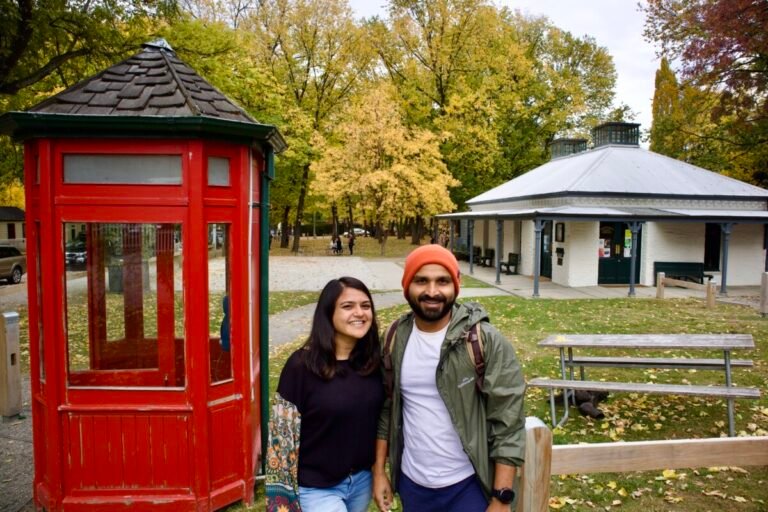
Autumn is my second favourite season and honestly, sometimes I prefer it over summer. The crowds from peak season thin out. The air turns crisp. And the colours across the country are genuinely stunning.
March is still busy, but mid-April to May is where the magic happens. Activity providers and accommodation hosts are more relaxed after the summer rush. Last-minute bookings are actually possible. Impromptu travel becomes an option again. That changes the whole vibe of being on the road.
Arrowtown in autumn is a postcard. Wanaka turns yellow around the lake. Even Rotorua and Taupo have beautiful autumn colour. People underestimate how good the North Island looks this time of year. Marlborough’s vineyards go golden too.
The catch is the shorter days. Sunset around 5:30pm catches you off guard when you are used to that long summer light. Mornings and evenings get cold fast.
Average temperatures:
North Island: 14 to 20 degrees C
South Island: 10 to 18 degrees C
Pros: Stunning autumn colours, quieter roads and towns, easier last-minute bookings, prices start dropping, still warm enough for most activities.
Cons: Days get shorter, mornings and evenings are cold, some seasonal attractions start winding down.
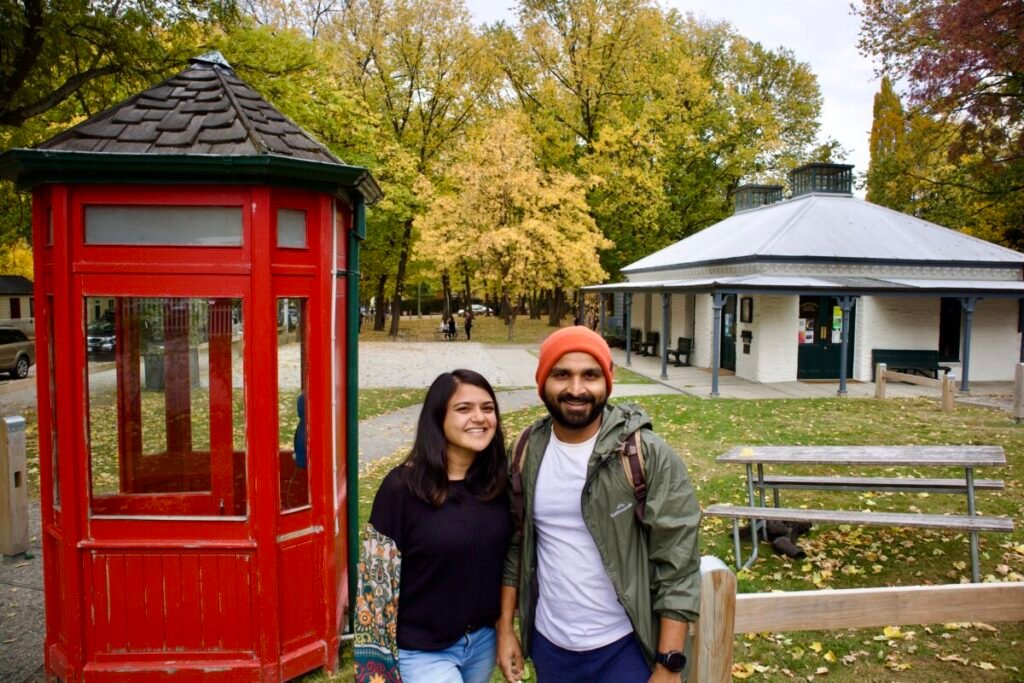
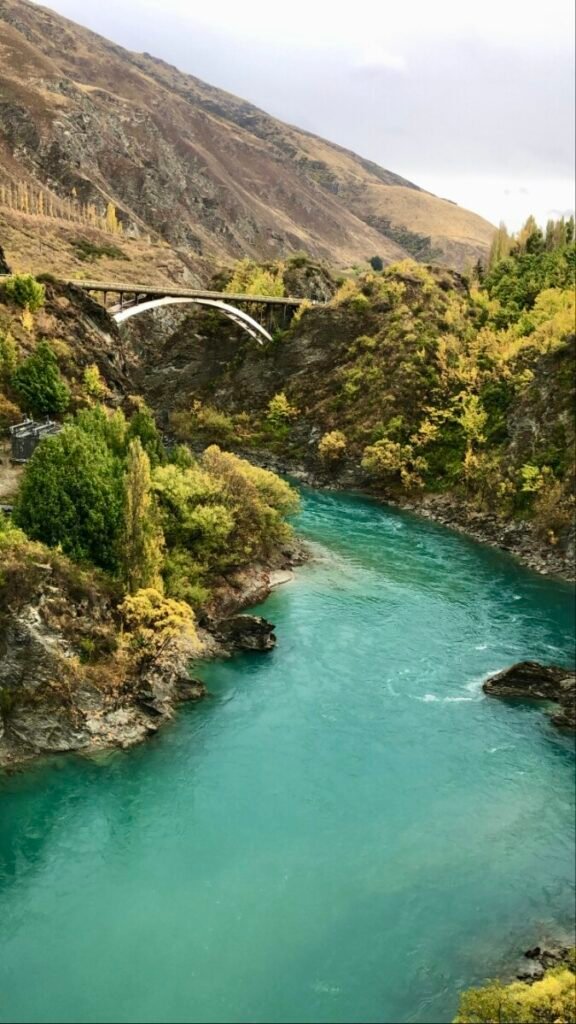
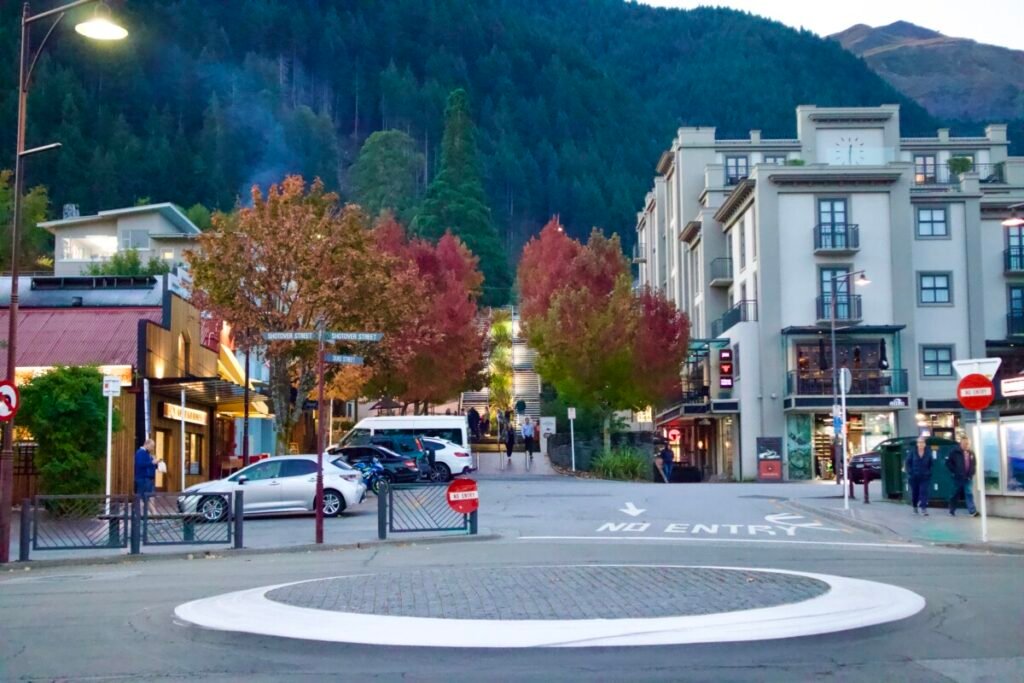
Van life tip: Arrowtown and Wanaka are must-dos in autumn. Add them to your route. Accommodation in these towns books up even in shoulder season, so don’t leave it too late.

Free guide
Free New Zealand Travel Guide
Our complete NZ travel guide, free, straight to your inbox.
Winter in New Zealand (June to August)
Van life in winter is genuinely hard. I am not going to pretend otherwise. Getting out of bed when it is freezing cold outside is one of the most challenging things about living in the van through June, July and August. A heater is non-negotiable. Thermal curtains help a lot. Insulation in the walls and ceiling makes a big difference to how comfortable nights feel.
You also have to plan your days practically. Wake up early, use the daylight for hikes and walks before lunch, and keep lighter activities for the afternoon. Museums, ice bars, and indoor experiences work well after the sun sets early. Saunas and hot pools are honestly perfect in winter. Sagar jokes he cannot see my skin anymore because I am so layered up day and night.
The South Island is genuinely beautiful in winter. Snow-capped mountains everywhere. If you ski or snowboard, this is your season. Queenstown and Mt Ruapehu are the best places for skiing and snowboarding.
The hidden upside to winter is minimal tourists. Queenstown is actually manageable. Bookings are easy. Activities are available. Accommodation is affordable. Campervan rentals drop significantly, which makes it a great time for budget travel if you are prepared for the cold.
Average temperatures:
North Island: 8 to 15 degrees C
South Island: 2 to 10 degrees C
Pros: Minimal tourists, affordable accommodation and campervan rates, Queenstown is actually enjoyable, ski season in full swing, hot pools and saunas feel incredible.
Cons: Short daylight hours with sunset around 5 to 5:30pm, cold mornings and nights, harder to stay motivated in the van, some freedom camping spots are closed or inaccessible.
Van life tip: Invest in a good diesel heater before winter hits. Thermal curtains on every window make a massive difference to warmth overnight. Plan your day around daylight and do not waste it.
If you are visiting in winter and want to experience the Southern Alps without driving mountain roads in snow, the TranzAlpine train is one of the best ways to do it.
Spring in New Zealand (September to November)
Spring brings me back to life after winter. That is the honest truth. When the days start getting longer again and the temperature creeps up, I feel human again. The cherry blossoms start blooming early in spring. Auckland, Napier, and Wellington all put on a show in September and October.
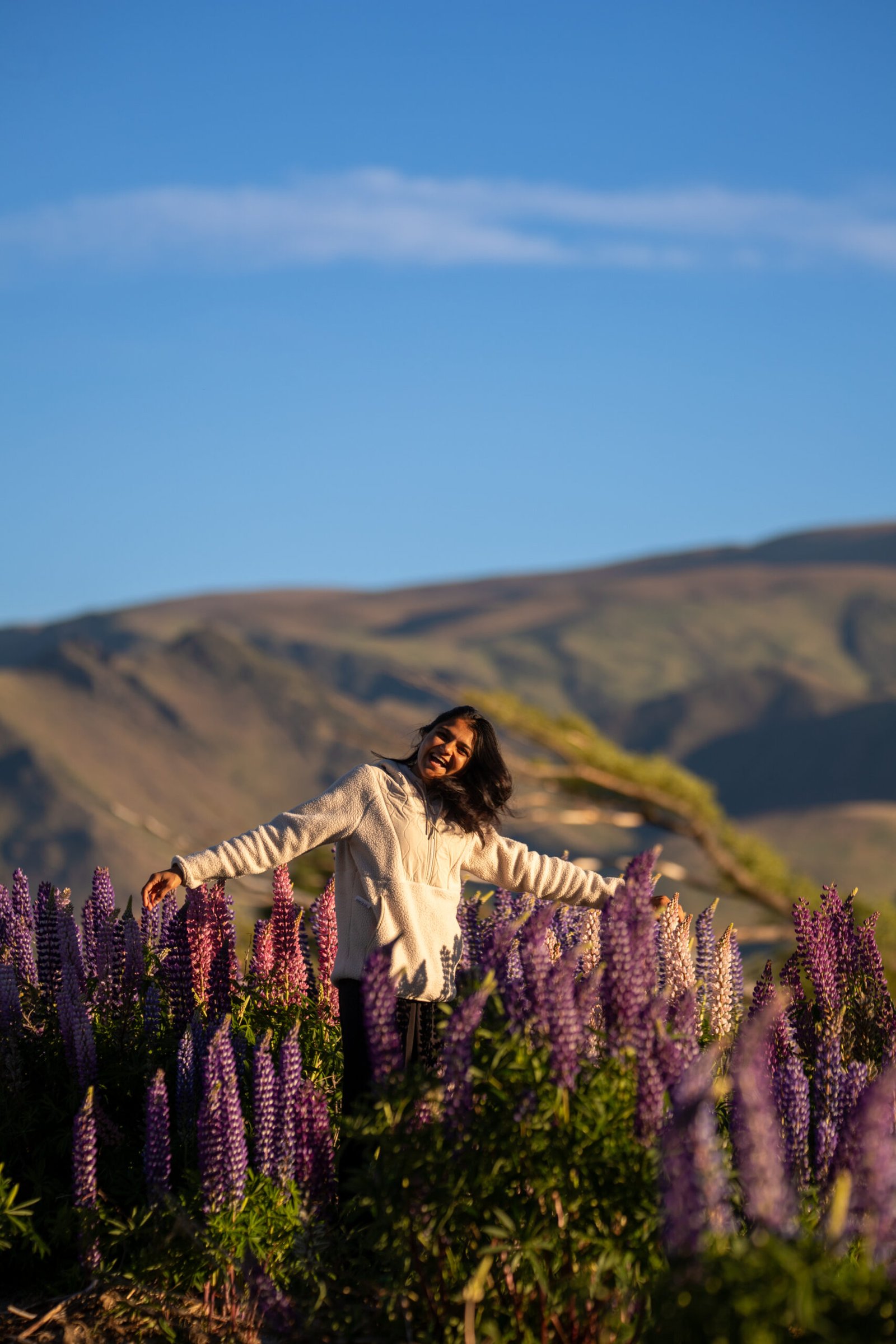
Towards the end of November into mid-December, the lupins appear. Lake Tekapo, Lindis Pass, and Omarama are the best spots. If lupins are on your list, late November is your window.
It is still off-peak season through most of spring, so you get to experience New Zealand without the summer crowds while the country is slowly waking back up. The surprise is there can be a lot of rainy days. People do not expect that. Build flexibility into your plans.
Average temperatures:
North Island: 12 to 18 degrees C
South Island: 8 to 16 degrees C
Pros: Cherry blossoms, lupin season starting late November, longer days returning, still off-peak prices, fewer crowds than summer.
Cons: Unpredictable and sometimes rainy, mornings and evenings still cold, lupins are very end of season.

Van life tip: Be flexible with your itinerary in spring. Weather can change fast. If a rainy day hits, use it for a slow morning in a cafe town rather than fighting it. Lupins bloom fast and fade fast, so keep an eye on bloom updates closer to the time.
New Zealand Weather By Month: What to Expect
January
Peak summer. Long days, warm weather, beaches and lakes packed. This year January was the wettest month we had on the road, so do not assume it will be dry just because it is summer. The sun still does not set until around 9pm which makes it feel magical even on a rainy day. Most expensive month for accommodation and campervans.
February
Still summer but the school holiday crowds start to ease off. Weather is warm and prices start to soften slightly from the January peak. One of my favourite months to be on the road. Still all the summer perks with a slightly calmer vibe. Here you go:
February is where New Zealand starts to breathe again. The peak January crowds begin to thin out, the weather is still perfect, and you get those long golden sunny days without quite as much chaos. Some popular spots are still busy but it is noticeably more relaxed. Honestly one of the most underrated months to visit.
March
Technically autumn but still feels like summer in most parts of the country. Temperatures are still warm during the day, crowds are thinning out, and prices are dropping. The leaves start to turn towards the end of March in the South Island. A really solid month to visit New Zealand.
April
Mid-April is when autumn really kicks in. Arrowtown and Wanaka are stunning. This is probably the single best month to visit those two towns. Accommodation and activities are much easier to book, and you get the colours without the summer price tag. Days are noticeably shorter by now.
May
Deep autumn and genuinely underrated. Quiet roads, relaxed vibe, still beautiful colours in places like Arrowtown and the Marlborough wine region. Cold mornings are a given so you will need proper layers now. Sunset around 5:30pm means you need to plan your days around daylight. Very affordable month to travel.
1:1 Planning Call
Not Sure Where to Start? Let’s Talk.
Book a 60 minute call with us and we will help you plan your New Zealand trip, one on one.
June
Winter officially begins. Ski season kicks off in the South Island and with it comes a specific crowd of snow-seekers. For van lifers, this is when you really need that heater sorted. Daylight hours are short, around 8 to 9 hours. The upside is that tourist numbers are very low and everything is affordable.
July
Peak winter. Coldest month. The South Island can be genuinely freezing, especially Central Otago and the high country. Hot pools and saunas become a daily ritual. Queenstown is quieter than you would ever expect for such a popular destination. It is a completely different experience in winter.
August
Still winter but you can feel the shift starting to happen by late August. Days are getting just a little longer. Ski season is still running. One of the most affordable months to visit New Zealand if you are on a tight budget. Campervan rentals are at their cheapest and freedom camping spots are quiet.
September
Spring arrives and the change in mood is noticeable. Cherry blossoms start appearing in Auckland, Wellington, and Napier. Days get longer, mornings are still cold but afternoons feel hopeful again. Off-peak prices are still holding and the crowds have not returned yet. Good month for hiking as some of the higher tracks start becoming accessible again.
October
Spring is in full swing. Temperatures are warming up nicely. Cherry blossom season peaks and starts to wind down. Weather is unpredictable. We have had beautiful weeks in October and also very rainy ones. Build flexibility into your plans. Still a quieter time to travel with shoulder season prices.
November
One of my favourite months. Days are getting long again, temperatures are pleasant, and the lupins start appearing towards the end of the month around Lake Tekapo, Lindis Pass, and Omarama. The country is waking up for summer but the crowds have not properly arrived yet. If you can only pick one shoulder season month, November might be the best month to visit New Zealand.
December
Summer kicks off and the whole country shifts into holiday mode. Lupin season overlaps into early December around Tekapo. Christmas in New Zealand is genuinely surreal. BBQs, jandals, beach cricket. Crowds and prices build throughout the month, with the week between Christmas and New Year being peak chaos. Book everything well in advance.
Best Time for Specific Activities in New Zealand
Hiking
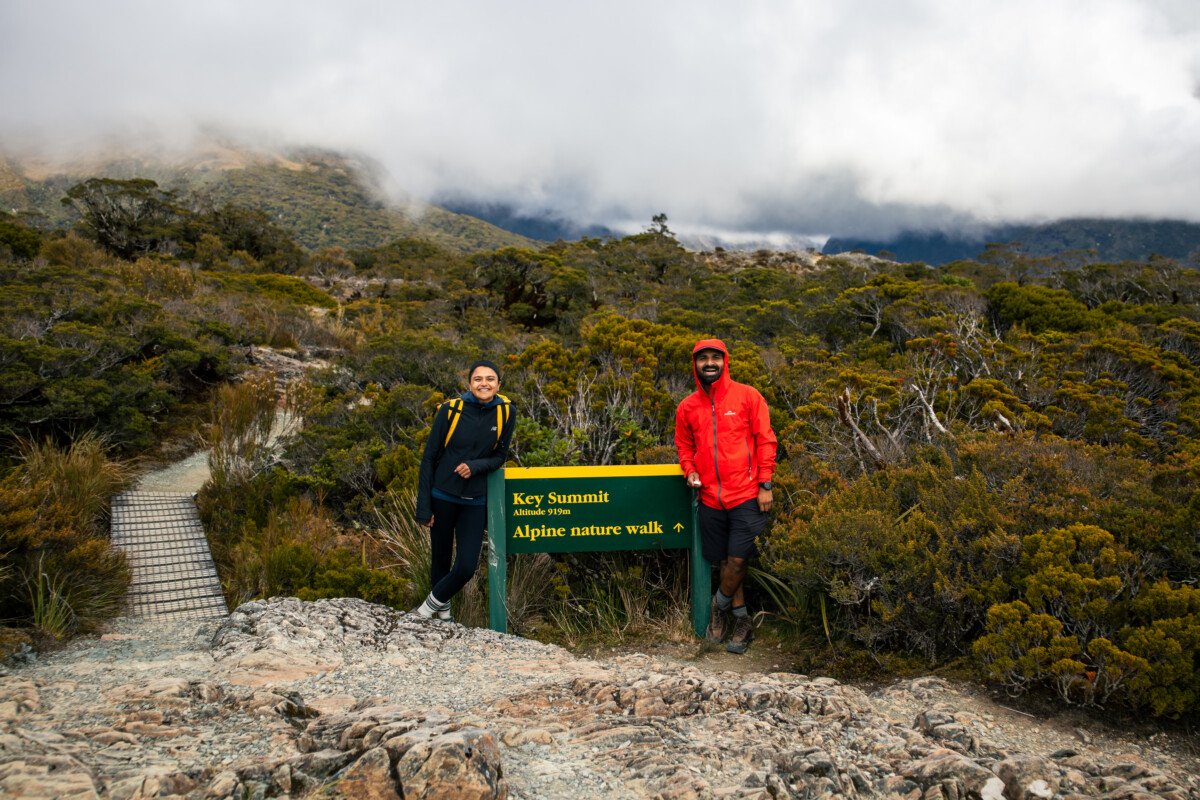
The best time for hiking in New Zealand is November through April. That is when the Great Walks are fully open and at their best. Milford Track, Routeburn, Abel Tasman, all of them. Higher altitude tracks can still have snow and ice in spring and autumn, so check conditions before heading out. Summer and early autumn give you the most stable weather and the longest daylight hours. For iconic tracks like Roys Peak and Isthmus Peak, the light at golden hour is worth timing your start around.
Freedom Camping and Van Life
Autumn (March to May) and spring (September to November) are the sweet spots for freedom camping in New Zealand. You get the good weather without the summer rush, and popular freedom camping spots are actually available. In summer, some of the best spots fill up by midday. In winter, some spots become inaccessible and cold overnight temperatures make van life harder. Check out our full guide to freedom camping in New Zealand before you go.
Lupins
Late November to mid-December. That is your window. Lake Tekapo is the most famous spot for good reason. The lupins along the lakefront with the mountains behind them are genuinely unreal. Lindis Pass and Omarama are less crowded and worth adding to the route. The bloom is weather-dependent and can shift by a week or two either way. Last year the lupins started showing up towards the end of November and were in full bloom by the first week of December. Lake Tekapo is the obvious spot and for good reason, the fields are extraordinary. But if you want the same magic without the crowds, Lake Ohau is your secret spot. Stunning lupin fields and barely anyone there.
Cherry Blossoms
September and October are cherry blossom season in New Zealand. Auckland, Wellington, and Napier are the best spots in the North Island. The blossoms do not last long, often just a week or two per tree, so check local bloom reports if you are timing a visit specifically around them. It is a beautiful time to be in a city after the quiet of winter.
Skiing
June through August is ski season. The main fields are in the South Island. Cardrona, Remarkables, and Treble Cone near Queenstown and Wanaka are the big names. The North Island has Mount Ruapehu, which is more accessible if you are based up north. Ski season brings its own specific crowd, so accommodation around Queenstown and Wanaka gets busier in winter than you might expect.
Budget Travel
Winter is the cheapest time to visit New Zealand, full stop. Campervan rentals drop significantly. Accommodation is more affordable across the board. The trade-off is cold weather and short days. If you are budget-conscious and do not mind layering up, June to August is genuinely the best time to go to New Zealand on a tight budget. May and September are good shoulder season alternatives if you want better weather without full summer prices.
Avoiding Crowds
May and September are your best bets. You get the country in good condition without the peak summer chaos. Even Queenstown, which in January can feel genuinely overwhelming, is manageable and enjoyable in these months. Winter (June to August) has the fewest tourists of all, but you need to be prepared for the weather. If you want good weather and low crowds, aim for April to May or September to October.
North Island vs South Island: How the Seasons Differ
This is one thing I wish more guides talked about honestly. The North Island and South Island have noticeably different climates, and understanding that difference can save you from a cold, wet surprise.
The North Island is warmer and more humid year-round. Auckland, Rotorua, and Taupo do not get the same sharp winters that the South Island does. In winter, you will still need layers in the North Island, but it is nothing like the South Island high country. Summers up north are warm but can be humid and muggy. Northland and the Bay of Islands are stunning but genuinely hot in January.
The South Island is more dramatic across all seasons. Winters are properly cold, especially in Central Otago, Queenstown, and around Tekapo. Summers are warmer and drier than the North Island in places like the Mackenzie Basin, but the West Coast is notoriously wet regardless of the season. Milford Sound gets over 7 metres of rainfall a year.
For van lifers splitting time between both islands, a practical approach is to follow the seasons. Spend winter in the North Island where it is milder, and head south in summer and early autumn when the South Island is at its best. That is roughly what we do, and it means you avoid the worst of the winter cold down south while still catching the South Island during its peak season.
Final Thoughts on the Best Time to Visit New Zealand
There genuinely is not a bad time to visit New Zealand. Every season has something real to offer. Summer is peak for a reason, but autumn gives you colour and breathing room, spring gives you blossoms and lupins, and winter hands you the whole country practically to yourself if you can handle the cold.
The honest answer is it depends on what you are coming for. Use the guide above to match the season to your travel style rather than just picking the most popular month and hoping for the best.
If you are sorting out where to sleep while you are here, check out our guide to where to stay in Queenstown. We have covered everything from budget to mid-range options. And if you are planning a road trip or van life adventure, our freedom camping in New Zealand guide is worth reading before you set off.
Custom Itinerary
We Can Build Your New Zealand Trip For You
Skip the hours of planning. Tell us how you want to travel and we will hand you a complete, day by day itinerary built just for your trip.